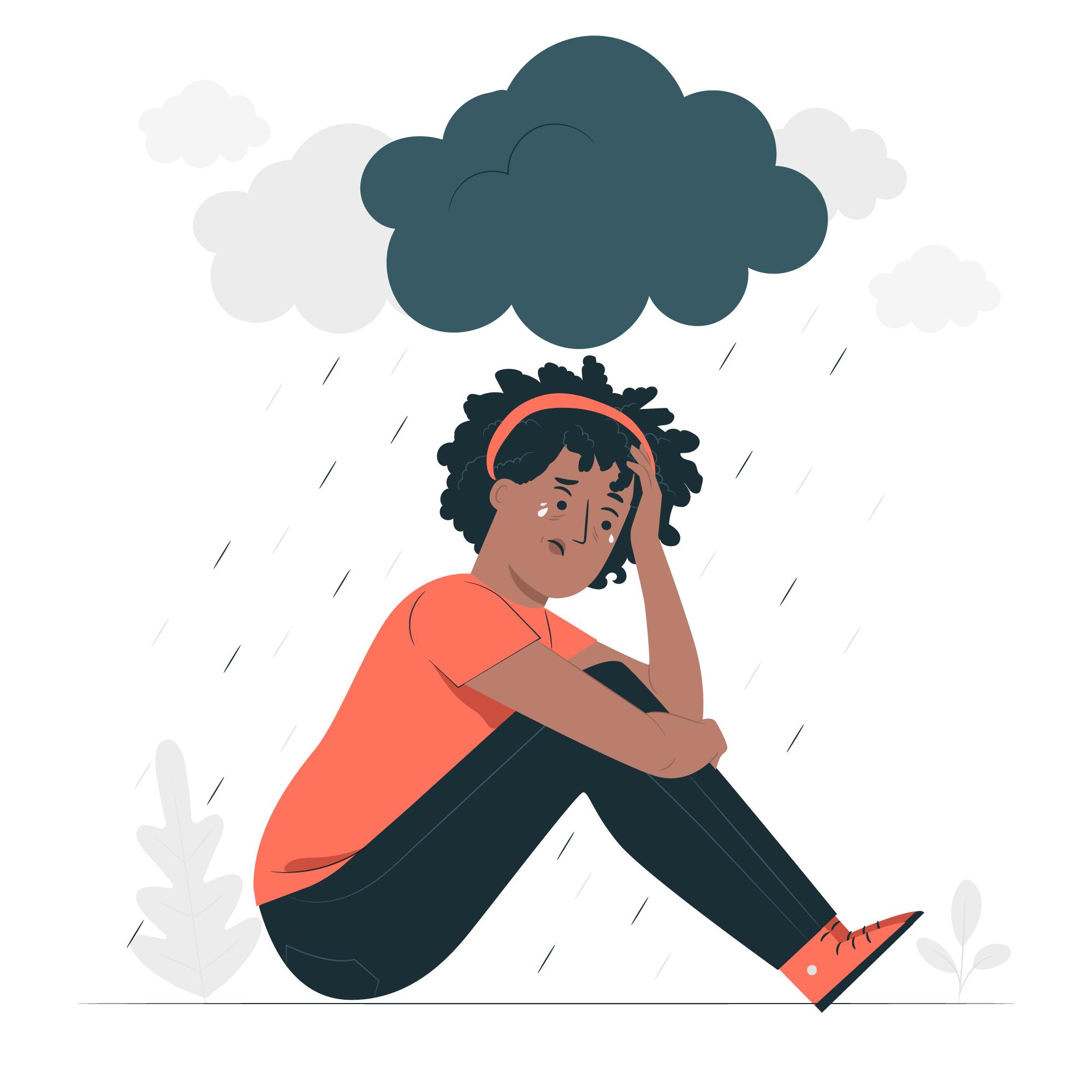
Would You Notice the Signs Before It’s Too Late?

Act Before It’s Too Late: Supporting Our Loved Ones in Times of Need

In many families, it’s common to hear words of reassurance when someone is going through a rough patch in their marriage. “It’s okay, it happens in all marriages,” they say. And while it’s true that no marriage is without its challenges, there comes a point when the signs of distress should no longer be brushed aside—it becomes a red flag that demands attention.

Imagine a daughter who, over the course of more than ten years, grows increasingly distant. She stops talking with family and friends, her laughter fades, and her once vibrant personality seems to dim. Those around her might notice, but often, they choose to ignore the signs, convincing themselves that things will get better on their own. They might tell themselves, “She’s just going through a phase,” or “It’s not our place to interfere.”

But what if, one day, that daughter takes an extreme step? What if she feels so lost, so unheard, and so unsupported that she decides to end her life? Suddenly, the same people who dismissed her pain are left in shock, asking themselves, “How did we not see this coming? We never thought she would do this.”

The truth is, many people do see the signs, but they choose not to act on them. Perhaps they believe it’s not their business, or they fear making things worse by intervening. But in situations like this, doing nothing is the worst thing you can do. When someone is struggling, especially over an extended period, they need more than just comforting words—they need real support, understanding, and sometimes, direct intervention.

The tragic story of Jiah Khan, a promising young actress in India, serves as a painful reminder of the consequences of prolonged unhappiness and lack of support. Jiah struggled with her mental health for years, feeling isolated and unsupported in her personal life. Despite being surrounded by people who cared for her, her cries for help went unheard or were dismissed. Sadly, Jiah took her own life in 2013, leaving behind a devastated family and countless friends who were left wondering what more they could have done.

As the renowned psychologist Carl Rogers once said, “The curious paradox is that when I accept myself just as I am, then I can change.” This acceptance doesn’t only apply to individuals struggling with their own emotions; it’s also a call for us to accept the reality of our loved ones’ distress and to act compassionately to help them through it. Ignoring someone’s prolonged unhappiness isn’t just a failure to act—it’s a failure to accept that something is deeply wrong.

We need to stop assuming that things will get better on their own. We need to stop waiting until it’s too late to show we care. When a loved one is in distress, especially if that distress has gone on for years, it’s crucial to step in, to ask questions, and to offer help. This doesn’t mean meddling or making judgments; it means being there, listening, and providing the support they need.

Mental health is a delicate issue, and prolonged unhappiness can lead to severe consequences if left unaddressed. It’s vital to create an environment where your loved ones feel safe expressing their feelings without fear of being dismissed or judged. This might mean encouraging them to seek professional help, or simply being there to listen when they need to talk.

We must remember that ignoring someone’s prolonged unhappiness is not a form of kindness; it’s a form of neglect. When someone we care about is suffering, we need to act, not just sympathize. It’s far better to be over-cautious and offer help than to stand by and do nothing until it’s too late.

In the end, the tears and the regret of those left behind won’t bring back the person they’ve lost. But what can make a difference is recognizing the signs early, offering support, and showing that you care when it truly matters. Let’s strive to be the kind of friends and family members who don’t just say, “It’s okay, it happens in all marriages,” but instead say, “I’m here for you, let’s talk about what’s really going on.”

By acting when it matters, we can help prevent tragedies and show our loved ones that they are never truly alone. Don’t wait until they’re gone to show how much you care—act now, while you still can.

Moving On Without Blame: Navigating the End of a Relationship with Grace and Growth

In the journey of life, relationships often form the cornerstone of our experiences. Among these, the bond with a spouse stands as one of the most profound. However, there are times when the path we envisioned with our partner diverges, and despite our efforts, things simply don’t work out. In such instances, the decision to move on without assigning blame can be a transformative act of self-awareness and growth for both parties involved.

When the cracks begin to show in a marriage, it’s natural to seek reasons and assign fault. Yet, in the pursuit of blame, we risk becoming entangled in a cycle of resentment and hostility, hindering the possibility of an amicable separation. Instead, choosing to acknowledge that sometimes, despite love and commitment, individuals evolve in divergent directions, can lay the foundation for a more peaceful and respectful transition.

Blame often serves as a shield, protecting us from confronting our own vulnerabilities and shortcomings. It provides a semblance of control in the face of uncertainty, allowing us to shift responsibility onto the other person. However, this shield is a double-edged sword, as it not only distances us from our own truths but also impedes the healing process necessary for moving forward.

In the absence of blame, there exists an opportunity for introspection and growth. Rather than viewing the end of a relationship as a failure, it can be reframed as a catalyst for personal development and self-discovery. Each individual carries valuable lessons from their time together, lessons that can serve as guiding lights in future endeavors.

Communication plays a pivotal role in navigating the complexities of separation without blame. Honest and open dialogue can foster understanding and empathy, allowing both partners to express their feelings and perspectives without fear of judgment. Through compassionate listening and validation, a sense of closure can be attained, enabling each person to embark on their respective paths with clarity and acceptance.

It’s crucial to recognize that moving on without blame doesn’t equate to denying the pain or disappointment inherent in the dissolution of a marriage. Emotions will undoubtedly surface, ranging from sorrow to anger to relief. Allowing oneself to experience these emotions fully, without judgment or suppression, is an essential step in the healing process.

Moreover, maintaining mutual respect and dignity throughout the separation is paramount. This entails refraining from disparaging remarks or actions that could inflict unnecessary harm. By honoring the shared experiences and memories, even as the relationship concludes, both partners can preserve the integrity of their connection and depart with a sense of grace.

In the aftermath of a separation, the journey toward self-renewal may be arduous, marked by moments of doubt and uncertainty. However, it’s essential to trust in the resilience of the human spirit and the capacity for growth inherent in every individual. As one door closes, countless others await, brimming with the promise of new beginnings and untapped potential.

In conclusion, when faced with the realization that things are not working out with a spouse, it’s better to move on without succumbing to blame. By embracing the inherent complexities of human relationships with compassion and understanding, individuals can chart a course toward healing and personal evolution. In bidding farewell to one chapter, they pave the way for the emergence of a new narrative—one defined by resilience, growth, and the unwavering pursuit of authenticity.