
Hatpins, once an essential accessory in women’s fashion, are more than mere tools for securing hats. They hold a fascinating history, blending artistry, social change, and even controversy. This article explores the origins, evolution, and cultural significance of hatpins, uncovering how these decorative yet practical objects came to symbolize much more than fashion.
Origins and Functionality
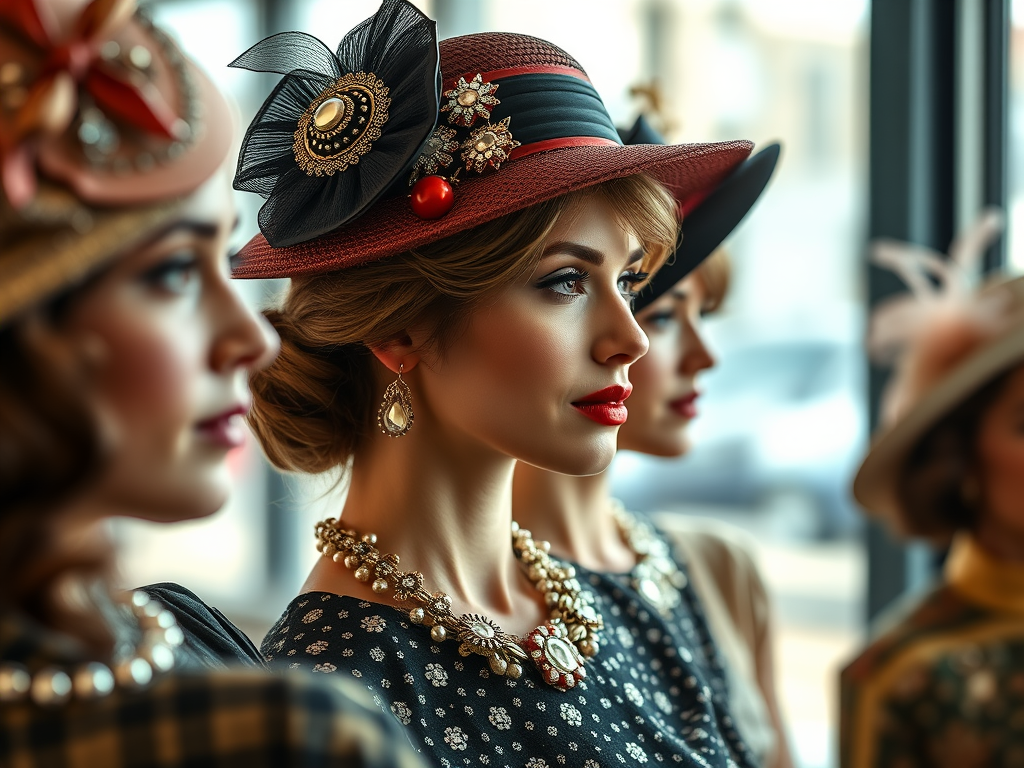
Hatpins first emerged in the 1800s as simple tools designed to fasten women’s hats securely to their hair. During this time, hats became integral to women’s attire, often large and elaborate. Hairstyles, such as voluminous buns and curls, required sturdy hatpins to keep headwear in place, especially in windy conditions or during social events.
Over time, hatpins evolved beyond their utilitarian purpose. They became decorative items, reflecting the artistry and craftsmanship of the era. Fashionable hatpins featured intricate designs adorned with gemstones, pearls, enamel, or engraved metalwork. These accessories became a way for women to express their individuality and social status.
Hatpins and Women’s Liberation
The late 19th and early 20th centuries saw hatpins take on a new role in the context of women’s liberation. As women began to move into public spaces more freely, they adopted hatpins as symbols of their independence. The simple act of wearing and securing one’s own hat without assistance became emblematic of a broader societal shift toward autonomy.
Hatpins also served as a practical tool of self-defense during this period. As women increasingly navigated cities unaccompanied, they faced risks from unwanted advances or attacks. Stories emerged of women using their hatpins to fend off aggressors, earning them a reputation as a discreet yet effective personal safety tool.
The Hatpin Panic
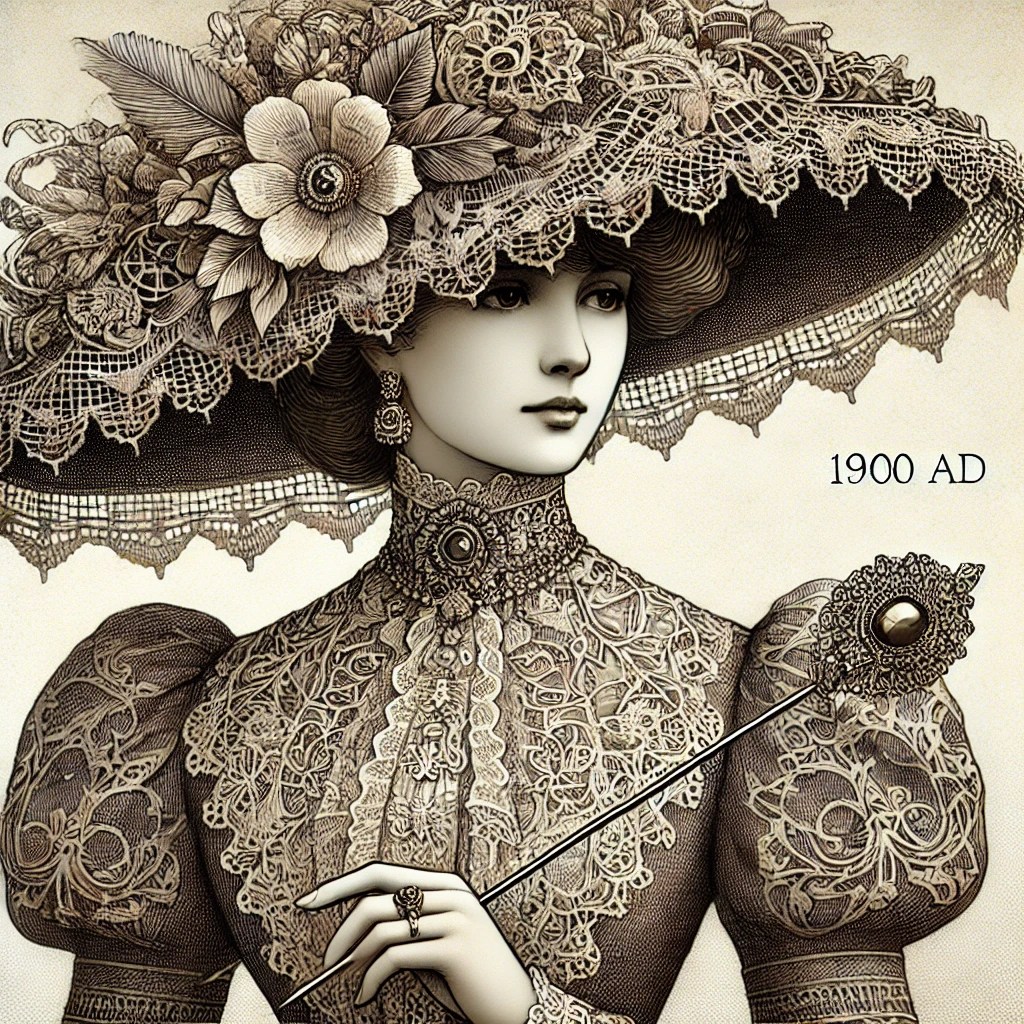
The dual purpose of hatpins—as accessories and potential weapons—sparked societal anxiety in the early 20th century. Known as the “Hatpin Panic,” this period saw concerns arise over the length and sharpness of hatpins. Some argued that they posed a danger in crowded public spaces or could be misused as weapons.
In response, several cities in the United States and Europe introduced regulations. These “hatpin laws” limited the permissible length of hatpins or required women to add protective covers to their tips. For some, this was seen as an attempt to curtail women’s newfound independence, while others viewed it as a safety measure.
The Decline of Hatpins
By the 1920s, hatpins began to fall out of favor. The decline was due to changing fashion trends, including shorter hairstyles and smaller hats, which reduced the need for long hatpins. Additionally, the rise of more casual, streamlined clothing styles rendered such elaborate accessories less relevant.
A Legacy of Elegance and Empowerment
Today, vintage hatpins are prized collectibles, admired for their craftsmanship and historical significance. They serve as a window into a bygone era when fashion intersected with social change. The story of hatpins reminds us how everyday objects can carry profound cultural meaning, symbolizing both beauty and resilience.
Hatpins may no longer grace modern wardrobes, but their legacy endures. They stand as a testament to women’s evolving roles in society and their ability to adapt fashion to serve both aesthetic and practical purposes. Whether admired as works of art or celebrated as tools of empowerment, hatpins remain an enduring icon of a transformative era.
 Lets Talk - bindumadhavi.online