
How to Be a Supportive Friend and a Loving Parent: Celebrating the Best of Both Worlds

Being a parent is a huge responsibility, but it’s possible to be both a guiding authority and a supportive friend. The key lies in balancing discipline with connection. Here’s how a mother can achieve this, and how it differs from a traditional parenting approach.

The Parenting Approach

Traditional parenting often focuses on authority. This means setting rules, enforcing discipline, and guiding behavior. For example, a mother insists on a strict bedtime to make sure her child gets enough rest. She might also say, “You need to finish your homework before you can watch TV.”

While these actions are essential for a child’s development, they can sometimes create distance. The child might view the mother primarily as an enforcer of rules rather than someone who understands their feelings and needs.
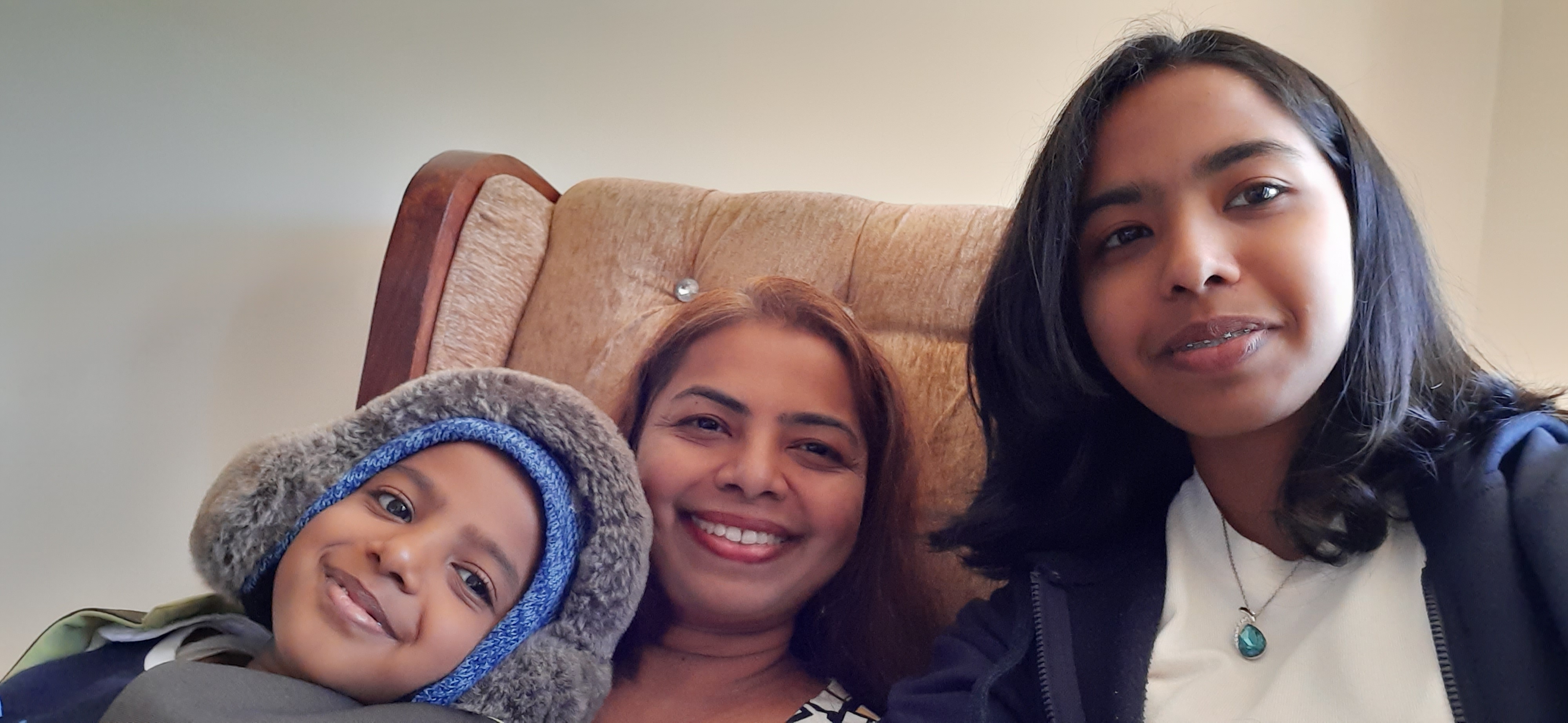
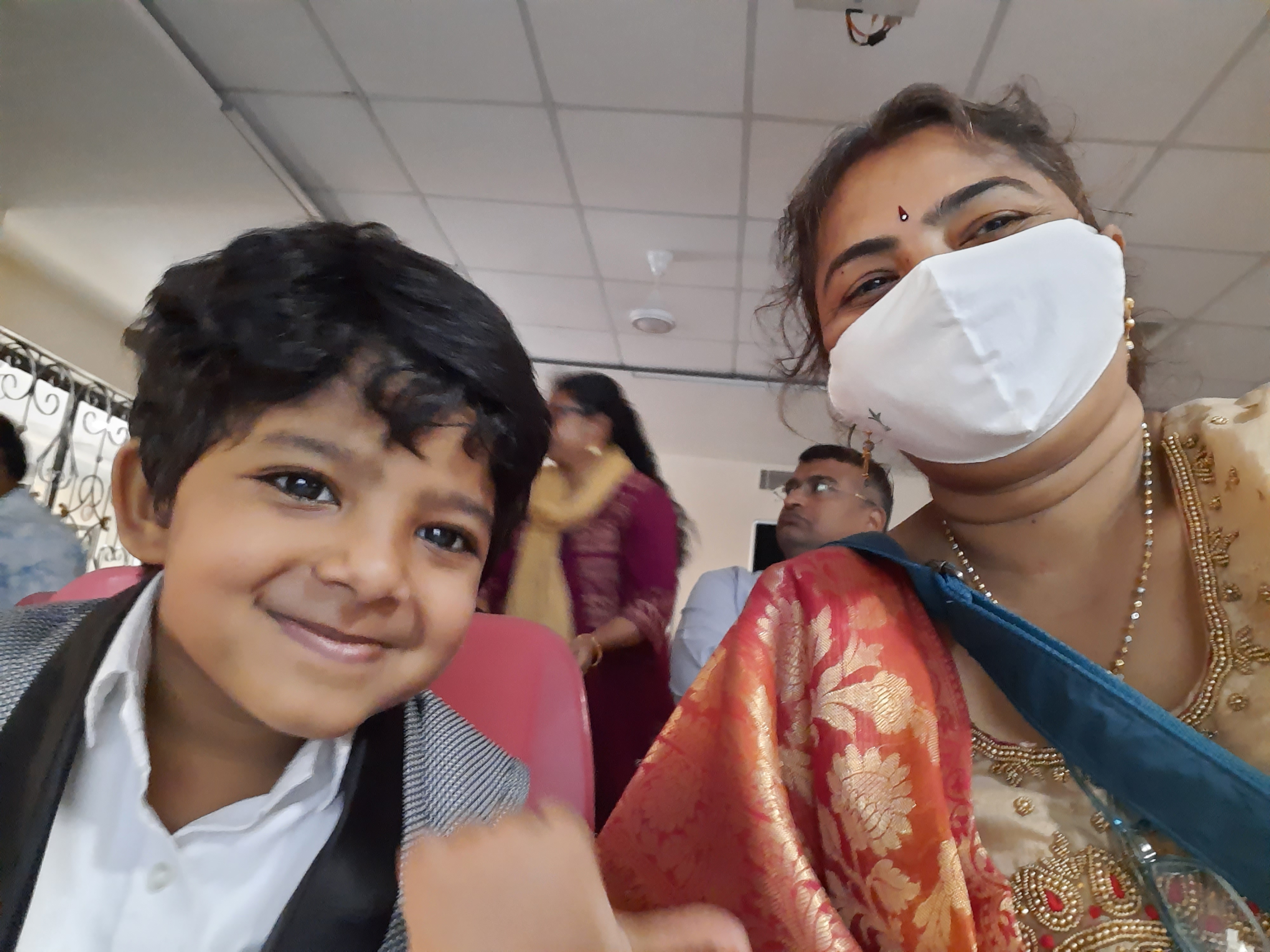
The Friend Approach

Being a friend as a mother involves more than just enjoying fun activities together. It’s about creating an open, trusting relationship where the child feels valued and understood. Here’s how this can be done effectively:

  1. Active Listening: Instead of just directing, engage in conversations where you actively listen to your child’s thoughts and feelings. For instance, if your child is worried about a school project, listen to their concerns before offering advice or solutions. This shows empathy and respect for their feelings.
  2. Shared Interests: Find common interests and spend time enjoying them together. If both of you love baking, set aside time to cook together. This builds a bond and makes the child feel special and understood.
  3. Open Communication: Encourage your child to share their thoughts and feelings without fear of judgment. If your child comes to you with a problem, avoid immediately jumping to solutions or reprimands. Instead, offer support and let them express themselves fully.

Examples

Imagine a child comes home upset because they didn’t make the soccer team. A traditional approach might involve comforting them but also stressing the importance of hard work and perseverance. A friend-like approach would involve more than just comfort; it would include empathizing with their disappointment, discussing their feelings openly, and perhaps even exploring new interests together.

Or consider a situation where a mother and her child disagree about curfew times. Rather than just imposing a rule, a friend-like approach might involve having a calm discussion where the mother explains her concerns and listens to her child’s perspective. This collaborative approach can lead to mutual understanding and respect.

Conclusion

Being a mother who balances authority with friendship doesn’t mean abandoning rules or responsibilities. Instead, it’s about fostering a supportive relationship where the child feels heard and valued. This balance can lead to a stronger, more trusting relationship, making both parenting and friendship rewarding.


Moving On Without Blame: Navigating the End of a Relationship with Grace and Growth

In the journey of life, relationships often form the cornerstone of our experiences. Among these, the bond with a spouse stands as one of the most profound. However, there are times when the path we envisioned with our partner diverges, and despite our efforts, things simply don’t work out. In such instances, the decision to move on without assigning blame can be a transformative act of self-awareness and growth for both parties involved.

When the cracks begin to show in a marriage, it’s natural to seek reasons and assign fault. Yet, in the pursuit of blame, we risk becoming entangled in a cycle of resentment and hostility, hindering the possibility of an amicable separation. Instead, choosing to acknowledge that sometimes, despite love and commitment, individuals evolve in divergent directions, can lay the foundation for a more peaceful and respectful transition.

Blame often serves as a shield, protecting us from confronting our own vulnerabilities and shortcomings. It provides a semblance of control in the face of uncertainty, allowing us to shift responsibility onto the other person. However, this shield is a double-edged sword, as it not only distances us from our own truths but also impedes the healing process necessary for moving forward.

In the absence of blame, there exists an opportunity for introspection and growth. Rather than viewing the end of a relationship as a failure, it can be reframed as a catalyst for personal development and self-discovery. Each individual carries valuable lessons from their time together, lessons that can serve as guiding lights in future endeavors.

Communication plays a pivotal role in navigating the complexities of separation without blame. Honest and open dialogue can foster understanding and empathy, allowing both partners to express their feelings and perspectives without fear of judgment. Through compassionate listening and validation, a sense of closure can be attained, enabling each person to embark on their respective paths with clarity and acceptance.

It’s crucial to recognize that moving on without blame doesn’t equate to denying the pain or disappointment inherent in the dissolution of a marriage. Emotions will undoubtedly surface, ranging from sorrow to anger to relief. Allowing oneself to experience these emotions fully, without judgment or suppression, is an essential step in the healing process.

Moreover, maintaining mutual respect and dignity throughout the separation is paramount. This entails refraining from disparaging remarks or actions that could inflict unnecessary harm. By honoring the shared experiences and memories, even as the relationship concludes, both partners can preserve the integrity of their connection and depart with a sense of grace.

In the aftermath of a separation, the journey toward self-renewal may be arduous, marked by moments of doubt and uncertainty. However, it’s essential to trust in the resilience of the human spirit and the capacity for growth inherent in every individual. As one door closes, countless others await, brimming with the promise of new beginnings and untapped potential.

In conclusion, when faced with the realization that things are not working out with a spouse, it’s better to move on without succumbing to blame. By embracing the inherent complexities of human relationships with compassion and understanding, individuals can chart a course toward healing and personal evolution. In bidding farewell to one chapter, they pave the way for the emergence of a new narrative—one defined by resilience, growth, and the unwavering pursuit of authenticity.