Why Investing in Shadnagar, Hyderabad is a Smart Move

Shadnagar, located along the rapidly developing Bengaluru-Hyderabad highway, is fast emerging as a top investment destination for real estate buyers and investors. With its strategic location, growing infrastructure, and proximity to key landmarks, buying plots in Shadnagar today could mean securing a high-value asset for tomorrow.

One of the major attractions in the area is the Narsee Monjee Institute of Management Studies (NMIMS), which has brought in educational significance and steady development. Additionally, Shadnagar is just a short drive from Kanha Shantivanam, the world’s largest meditation center and headquarters of Heartfulness Institute. This spiritual hub attracts thousands of national and international visitors, adding to the region’s cultural and economic vibrancy.

The area also benefits from excellent road connectivity via the Regional Ring Road (RRR), which is set to transform commuting and logistics in the coming years. Being on the Bengaluru-Hyderabad highway (NH-44), Shadnagar offers easy access to both major metros, making it an ideal location for those seeking a balance between urban convenience and peaceful living.

Moreover, the Telangana government’s focus on developing infrastructure, IT parks, and industrial zones around Shadnagar is pushing land appreciation. The upcoming Pharma City and Amazon’s Data Center in the nearby areas further highlight the region’s potential for growth.

What makes investing in Shadnagar particularly appealing is the affordability of plots today, coupled with high future returns. As development picks up pace and demand increases, early investors stand to gain significant profits.

Whether you’re looking for residential plots, weekend getaways, or long-term investments, Shadnagar promises a blend of nature, spirituality, and connectivity — making it a smart and future-ready choice for real estate investment.

whatsapp +919100166058 email pbindu@gmail.com for further guidance on investing in Shadnagar.

Indians Joining Foreign Armies: A Rising Concern and Its Implications

Introduction

The recent revelation by India’s Ministry of External Affairs (MEA) that at least 126 Indian citizens have joined the Russian army to participate in the ongoing Russia-Ukraine war has sparked significant debate. This phenomenon raises serious legal, ethical, and diplomatic questions, especially given India’s neutral stance on the conflict. This article explores the motivations behind such decisions, the legal ramifications, and the broader geopolitical consequences.


Motivations Behind Joining Foreign Armies

  1. Economic Incentives:
    • Many individuals who enlist in foreign militaries are driven by economic hardship and the promise of financial stability. Foreign armies, particularly during active conflicts, often offer attractive compensation packages to volunteers.
  2. Ideological Alignment:
    • Some individuals may feel a deep personal connection or ideological alignment with one side in the conflict. For instance, they may perceive the conflict as a moral or cultural cause worth supporting.
  3. Recruitment Networks:
    • Reports suggest that online platforms and social media are increasingly being used to recruit foreign nationals for military service. These channels often target vulnerable individuals through propaganda and false promises.
  4. Adventure and Prestige:
    • For some, joining a foreign military represents an opportunity for adventure, recognition, or prestige that may not be achievable in their home country.

Legal Implications

  1. Violation of the Foreign Enlistment Act (1870):
    • Indian law prohibits citizens from serving in foreign militaries without government authorization. Violators may face prosecution, fines, and imprisonment upon returning to India.
  2. International Legal Concerns:
    • Participation in conflicts could place individuals at risk of violating international humanitarian laws, particularly if they become involved in war crimes or activities targeting civilians.
  3. Citizenship Risks:
    • Serving in a foreign military might jeopardize the citizenship status of individuals, depending on the laws of their home country and the host nation.

Diplomatic and Geopolitical Consequences

  1. India’s Neutrality Compromised:
    • India has maintained a neutral stance on the Russia-Ukraine war, advocating for diplomacy and dialogue. The involvement of Indian nationals in the conflict could undermine this neutrality and strain relations with Ukraine and its allies.
  2. Strained Relations with Western Nations:
    • Western countries and organizations like NATO may perceive the participation of Indian citizens in Russia’s military as indirect support for Moscow, potentially leading to diplomatic pressures on New Delhi.
  3. Impact on Bilateral Ties:
    • Ukraine, which has historically had positive relations with India, could view the actions of these individuals as hostile, affecting bilateral trade, cooperation, and goodwill.

Government’s Preventive Measures

  1. Public Awareness Campaigns:
    • The Indian government has issued advisories warning citizens against enlisting in foreign militaries and highlighting the legal consequences.
  2. Monitoring Recruitment Channels:
    • Intelligence agencies and cybercrime units are actively working to identify and dismantle online recruitment networks operating within India.
  3. Rehabilitation and Reintegration:
    • For individuals who return, the government may consider programs for legal oversight, counseling, and community reintegration to prevent recidivism and ensure national security.

Ethical and Social Challenges

  1. Impact on Families:
    • Families of individuals who join foreign militaries often face significant stigma, emotional distress, and financial burdens.
  2. Polarized Public Opinion:
    • Public perceptions of these individuals can vary widely. While some may view them as adventurers or ideologically driven, others see them as lawbreakers undermining India’s international image.

Broader Context and Global Trends

  1. The Foreign Fighter Phenomenon:
    • The recruitment of foreign nationals is not unique to this conflict. Similar trends have been observed in the Syrian Civil War, the fight against ISIS, and other international conflicts.
  2. Global Recruitment Networks:
    • Recruitment for foreign conflicts often relies on social media, targeted propaganda, and financial incentives, making it a complex issue to address globally.

Conclusion

The involvement of Indian nationals in foreign conflicts like the Russia-Ukraine war underscores the need for robust legal frameworks, effective government intervention, and international cooperation to address this issue. While individual motivations may vary, their actions carry far-reaching implications for India’s legal, diplomatic, and social landscape.

As the global community grapples with the challenges posed by foreign fighters, India must remain vigilant and proactive in safeguarding its neutrality and international standing.

Events in NJ

Mount Holly
Mount Holly comes alive with annual Fire & Ice Festival on January 25, 2025. It combines two popular traditions: Mount Holly’s Ice Carving Festival & the legendary annual Chili Contest. It’s a free, family-oriented event from 10 a.m. – 4 p.m.

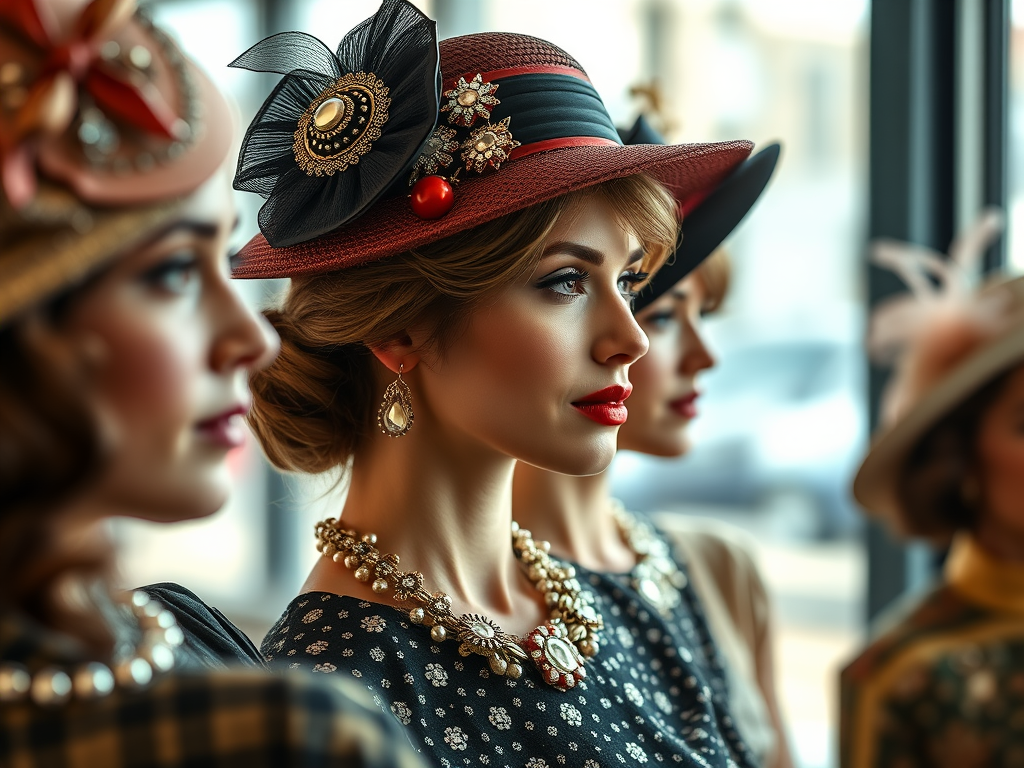
Hatpins: From Fashion Accessories to Symbols of Empowerment and Defense

Hatpins, once an essential accessory in women’s fashion, are more than mere tools for securing hats. They hold a fascinating history, blending artistry, social change, and even controversy. This article explores the origins, evolution, and cultural significance of hatpins, uncovering how these decorative yet practical objects came to symbolize much more than fashion.

Origins and Functionality

Hatpins first emerged in the 1800s as simple tools designed to fasten women’s hats securely to their hair. During this time, hats became integral to women’s attire, often large and elaborate. Hairstyles, such as voluminous buns and curls, required sturdy hatpins to keep headwear in place, especially in windy conditions or during social events.

Over time, hatpins evolved beyond their utilitarian purpose. They became decorative items, reflecting the artistry and craftsmanship of the era. Fashionable hatpins featured intricate designs adorned with gemstones, pearls, enamel, or engraved metalwork. These accessories became a way for women to express their individuality and social status.

Hatpins and Women’s Liberation

The late 19th and early 20th centuries saw hatpins take on a new role in the context of women’s liberation. As women began to move into public spaces more freely, they adopted hatpins as symbols of their independence. The simple act of wearing and securing one’s own hat without assistance became emblematic of a broader societal shift toward autonomy.

Hatpins also served as a practical tool of self-defense during this period. As women increasingly navigated cities unaccompanied, they faced risks from unwanted advances or attacks. Stories emerged of women using their hatpins to fend off aggressors, earning them a reputation as a discreet yet effective personal safety tool.

The Hatpin Panic

The dual purpose of hatpins—as accessories and potential weapons—sparked societal anxiety in the early 20th century. Known as the “Hatpin Panic,” this period saw concerns arise over the length and sharpness of hatpins. Some argued that they posed a danger in crowded public spaces or could be misused as weapons.

In response, several cities in the United States and Europe introduced regulations. These “hatpin laws” limited the permissible length of hatpins or required women to add protective covers to their tips. For some, this was seen as an attempt to curtail women’s newfound independence, while others viewed it as a safety measure.

The Decline of Hatpins

By the 1920s, hatpins began to fall out of favor. The decline was due to changing fashion trends, including shorter hairstyles and smaller hats, which reduced the need for long hatpins. Additionally, the rise of more casual, streamlined clothing styles rendered such elaborate accessories less relevant.

A Legacy of Elegance and Empowerment

Today, vintage hatpins are prized collectibles, admired for their craftsmanship and historical significance. They serve as a window into a bygone era when fashion intersected with social change. The story of hatpins reminds us how everyday objects can carry profound cultural meaning, symbolizing both beauty and resilience.

Hatpins may no longer grace modern wardrobes, but their legacy endures. They stand as a testament to women’s evolving roles in society and their ability to adapt fashion to serve both aesthetic and practical purposes. Whether admired as works of art or celebrated as tools of empowerment, hatpins remain an enduring icon of a transformative era.

10 Cultural Habits That Might Surprise You: What’s Offensive in the U.S. But Normal in India

1. Directness and Honesty

  • In the U.S., being overly direct or blunt, especially when expressing negative opinions, can be considered rude or offensive. In India, people are often more indirect in communication, and being too blunt may not be as common, but being direct is generally not seen as offensive in the same way it might be in the U.S.

2. Pointing at People

  • Pointing directly at someone (whether with your finger or hand) can be considered impolite or offensive in the U.S. However, in India, it’s often seen as a casual gesture, especially when people are referring to something or someone in a crowd. It’s not always considered impolite in India.

3. Staring

  • In the U.S., staring at people can be seen as intrusive and rude. In India, however, especially in rural areas or among foreigners, people may glance or stare without it being seen as offensive. It’s a common, albeit culturally different, behavior.

4. Personal Questions

  • Asking personal questions about someone’s age, marital status, or income might be considered inappropriate or intrusive in the U.S. However, in India, such questions are often seen as part of regular conversation and are typically not seen as invasive or rude.

5. Respect for Elders

  • In India, it’s normal for younger people to touch the feet of elders as a sign of respect. This practice may seem odd or overly formal in the U.S. but is a deeply ingrained tradition in India, and it might not be understood or appreciated in the same way in the U.S.

6. Public Spitting

  • Spitting in public is generally viewed as offensive and unsanitary in the U.S. In India, especially in certain regions, public spitting (such as from chewing paan or betel) is still common, though it’s increasingly frowned upon in urban areas.

7. Chewing Gum Loudly

  • In the U.S., chewing gum loudly or popping it in public is often seen as impolite or childish. In India, it’s not uncommon to see people chewing gum in public, though it may be seen as a more casual or youthful behavior.

8. Informality in Addressing Elders or Strangers

  • In the U.S., it’s common to address even older individuals or authority figures by their first names, whether in casual or professional settings. This level of informality is widely accepted and not seen as disrespectful. In India, however, calling strangers, neighbors, or even older individuals by titles like “Aunty” or “Uncle” is a sign of respect, and using such terms for people you don’t know well in the U.S. might be considered overly familiar or inappropriate.

9. Touching Someone’s Head

  • In India, it is considered a sign of affection or respect to gently touch a child’s head. In the U.S., this gesture is often seen as intrusive or inappropriate, especially when it’s done by someone who isn’t close to the person.

10. Eating With Hands

  • In the U.S., eating with hands (except for certain foods like sandwiches or pizza) is generally considered unhygienic and impolite. In India, eating with hands, especially in traditional meals, is perfectly normal, and it’s often seen as a more intimate and respectful way to eat, especially with certain cultural and religious practices.

Would You Notice the Signs Before It’s Too Late?

Act Before It’s Too Late: Supporting Our Loved Ones in Times of Need

In many families, it’s common to hear words of reassurance when someone is going through a rough patch in their marriage. “It’s okay, it happens in all marriages,” they say. And while it’s true that no marriage is without its challenges, there comes a point when the signs of distress should no longer be brushed aside—it becomes a red flag that demands attention.

Imagine a daughter who, over the course of more than ten years, grows increasingly distant. She stops talking with family and friends, her laughter fades, and her once vibrant personality seems to dim. Those around her might notice, but often, they choose to ignore the signs, convincing themselves that things will get better on their own. They might tell themselves, “She’s just going through a phase,” or “It’s not our place to interfere.”

But what if, one day, that daughter takes an extreme step? What if she feels so lost, so unheard, and so unsupported that she decides to end her life? Suddenly, the same people who dismissed her pain are left in shock, asking themselves, “How did we not see this coming? We never thought she would do this.”

The truth is, many people do see the signs, but they choose not to act on them. Perhaps they believe it’s not their business, or they fear making things worse by intervening. But in situations like this, doing nothing is the worst thing you can do. When someone is struggling, especially over an extended period, they need more than just comforting words—they need real support, understanding, and sometimes, direct intervention.

The tragic story of Jiah Khan, a promising young actress in India, serves as a painful reminder of the consequences of prolonged unhappiness and lack of support. Jiah struggled with her mental health for years, feeling isolated and unsupported in her personal life. Despite being surrounded by people who cared for her, her cries for help went unheard or were dismissed. Sadly, Jiah took her own life in 2013, leaving behind a devastated family and countless friends who were left wondering what more they could have done.

As the renowned psychologist Carl Rogers once said, “The curious paradox is that when I accept myself just as I am, then I can change.” This acceptance doesn’t only apply to individuals struggling with their own emotions; it’s also a call for us to accept the reality of our loved ones’ distress and to act compassionately to help them through it. Ignoring someone’s prolonged unhappiness isn’t just a failure to act—it’s a failure to accept that something is deeply wrong.

We need to stop assuming that things will get better on their own. We need to stop waiting until it’s too late to show we care. When a loved one is in distress, especially if that distress has gone on for years, it’s crucial to step in, to ask questions, and to offer help. This doesn’t mean meddling or making judgments; it means being there, listening, and providing the support they need.

Mental health is a delicate issue, and prolonged unhappiness can lead to severe consequences if left unaddressed. It’s vital to create an environment where your loved ones feel safe expressing their feelings without fear of being dismissed or judged. This might mean encouraging them to seek professional help, or simply being there to listen when they need to talk.

We must remember that ignoring someone’s prolonged unhappiness is not a form of kindness; it’s a form of neglect. When someone we care about is suffering, we need to act, not just sympathize. It’s far better to be over-cautious and offer help than to stand by and do nothing until it’s too late.

In the end, the tears and the regret of those left behind won’t bring back the person they’ve lost. But what can make a difference is recognizing the signs early, offering support, and showing that you care when it truly matters. Let’s strive to be the kind of friends and family members who don’t just say, “It’s okay, it happens in all marriages,” but instead say, “I’m here for you, let’s talk about what’s really going on.”

By acting when it matters, we can help prevent tragedies and show our loved ones that they are never truly alone. Don’t wait until they’re gone to show how much you care—act now, while you still can.

New Word – Wanderlust

“Wanderlust” is a strong desire or impulse to travel and explore the world. It comes from the German words wandern (to hike or wander) and lust (desire or longing). People who experience wanderlust often feel a deep craving to discover new places, cultures, and experiences, and they may frequently seek out opportunities to travel or immerse themselves in different environments. The term has become popular in travel culture to describe a passion for exploration and adventure.