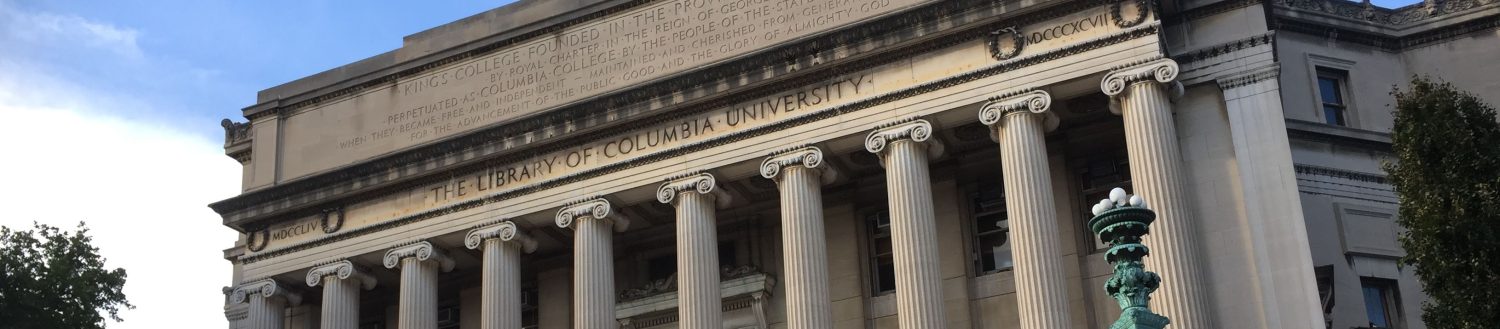
Wondering about Colombia country, I was thinking why do we have Columbia University, Washington District of Columbia in USA. How is it related… So here is what I found.
1. It started as “King’s College” (1754)
Founded in 1754 in New York City, when the area was still under British rule.
It was established by King George II of England, so it was named King’s College.
It was the fifth-oldest college in the U.S. (after Harvard, William & Mary, Yale, and Princeton).
2. After the American Revolution, “King’s College” didn’t sound so good
When the U.S. gained independence in 1776, people no longer wanted anything with “King” in the name.
The college closed temporarily during the war and later reopened with a new, patriotic identity.
3. “Columbia” = poetic name for America
In the 1700s and 1800s, “Columbia” was a poetic or symbolic name for the United States.
It comes from the name Christopher Columbus, the explorer often credited with “discovering” the Americas.
So “Columbia” meant “Land of Columbus” — and represented freedom and the new nation.
4. Renamed Columbia College (1784) → Columbia University (1896)
In 1784, after independence, it was renamed Columbia College to honor the new nation.
Later, as it grew into a major research institution with multiple schools (law, medicine, etc.), it officially became Columbia University in 1896.
5. Today
Columbia University in the City of New York is one of the Ivy League universities.
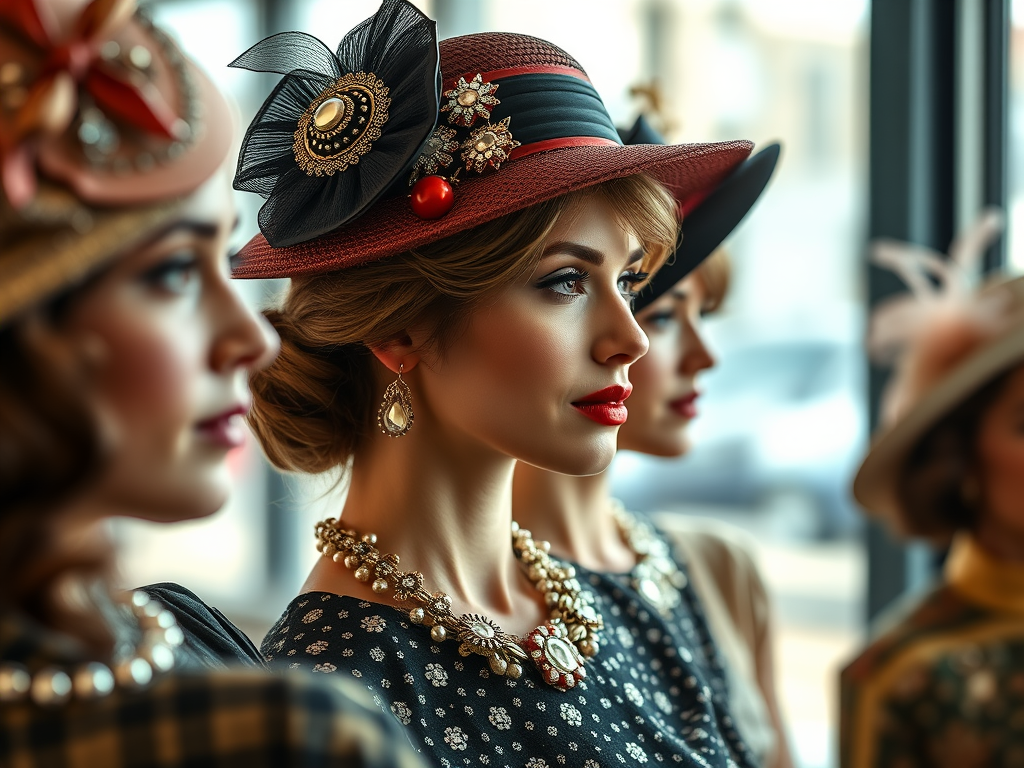
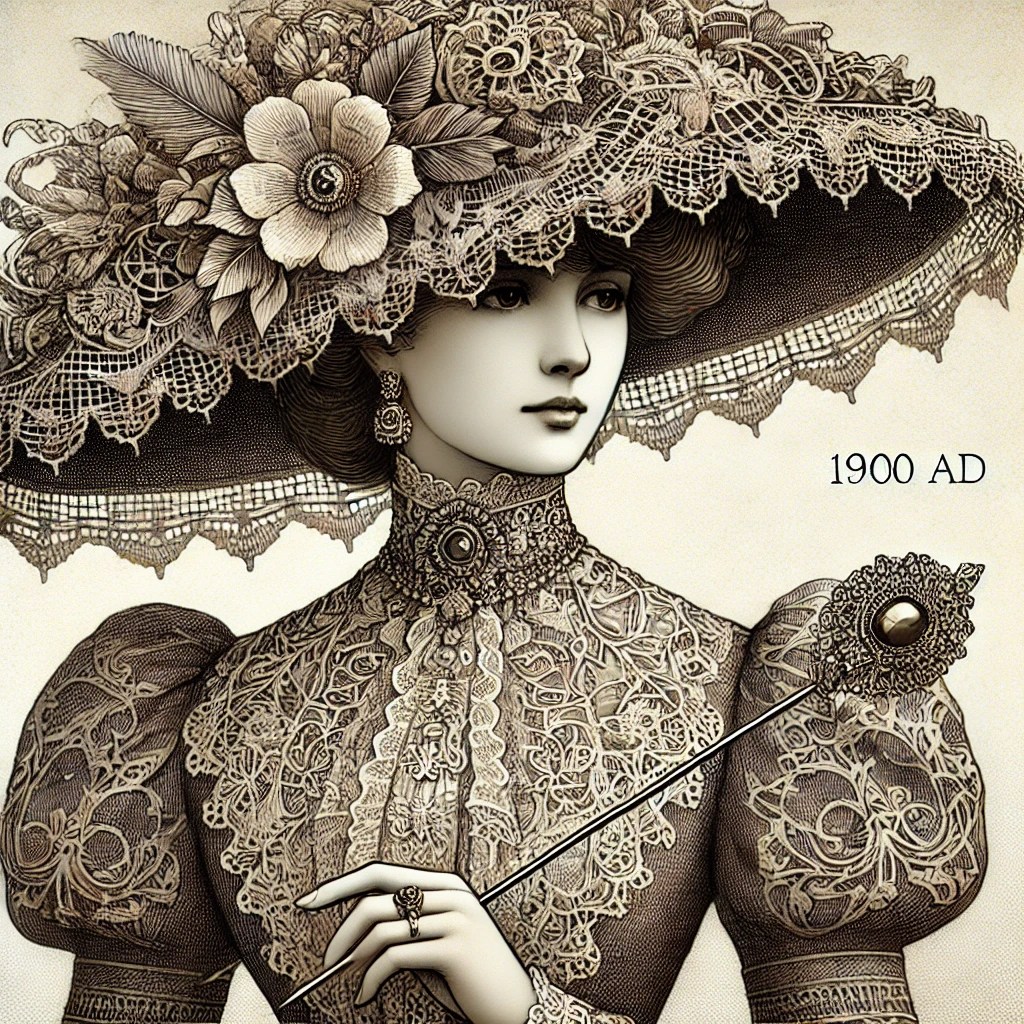
Hatpins, once an essential accessory in women’s fashion, are more than mere tools for securing hats. They hold a fascinating history, blending artistry, social change, and even controversy. This article explores the origins, evolution, and cultural significance of hatpins, uncovering how these decorative yet practical objects came to symbolize much more than fashion.
Origins and Functionality
Hatpins first emerged in the 1800s as simple tools designed to fasten women’s hats securely to their hair. During this time, hats became integral to women’s attire, often large and elaborate. Hairstyles, such as voluminous buns and curls, required sturdy hatpins to keep headwear in place, especially in windy conditions or during social events.
Over time, hatpins evolved beyond their utilitarian purpose. They became decorative items, reflecting the artistry and craftsmanship of the era. Fashionable hatpins featured intricate designs adorned with gemstones, pearls, enamel, or engraved metalwork. These accessories became a way for women to express their individuality and social status.
Hatpins and Women’s Liberation
The late 19th and early 20th centuries saw hatpins take on a new role in the context of women’s liberation. As women began to move into public spaces more freely, they adopted hatpins as symbols of their independence. The simple act of wearing and securing one’s own hat without assistance became emblematic of a broader societal shift toward autonomy.
Hatpins also served as a practical tool of self-defense during this period. As women increasingly navigated cities unaccompanied, they faced risks from unwanted advances or attacks. Stories emerged of women using their hatpins to fend off aggressors, earning them a reputation as a discreet yet effective personal safety tool.
The Hatpin Panic
The dual purpose of hatpins—as accessories and potential weapons—sparked societal anxiety in the early 20th century. Known as the “Hatpin Panic,” this period saw concerns arise over the length and sharpness of hatpins. Some argued that they posed a danger in crowded public spaces or could be misused as weapons.
In response, several cities in the United States and Europe introduced regulations. These “hatpin laws” limited the permissible length of hatpins or required women to add protective covers to their tips. For some, this was seen as an attempt to curtail women’s newfound independence, while others viewed it as a safety measure.
The Decline of Hatpins
By the 1920s, hatpins began to fall out of favor. The decline was due to changing fashion trends, including shorter hairstyles and smaller hats, which reduced the need for long hatpins. Additionally, the rise of more casual, streamlined clothing styles rendered such elaborate accessories less relevant.
A Legacy of Elegance and Empowerment
Today, vintage hatpins are prized collectibles, admired for their craftsmanship and historical significance. They serve as a window into a bygone era when fashion intersected with social change. The story of hatpins reminds us how everyday objects can carry profound cultural meaning, symbolizing both beauty and resilience.
Hatpins may no longer grace modern wardrobes, but their legacy endures. They stand as a testament to women’s evolving roles in society and their ability to adapt fashion to serve both aesthetic and practical purposes. Whether admired as works of art or celebrated as tools of empowerment, hatpins remain an enduring icon of a transformative era.
In the realm of contemporary literature, Kiran Desai stands as a luminary, weaving narratives that resonate deeply with readers around the world. Born into a family of literary giants, Desai has carved out her own unique space in the literary landscape, crafting stories that explore themes of identity, displacement, and the human experience with unparalleled depth and insight.
Desai’s journey as a writer is as compelling as the stories she tells. Born on September 3, 1971, in New Delhi, India, she was raised in a milieu steeped in literature. Her mother, Anita Desai, herself a celebrated author, instilled in Kiran a love for storytelling from an early age. It was amidst this rich tapestry of words and imagination that Desai’s literary aspirations began to take root.
After completing her education in India, Desai ventured abroad to pursue her passion for writing. She studied creative writing at Bennington College in Vermont and later earned a Master of Fine Arts degree from Columbia University in New York City. These formative years honed her craft and provided her with the tools to embark on her literary journey.
Desai burst onto the literary scene with her debut novel, “Hullabaloo in the Guava Orchard,” published in 1998. Set in a small Indian town, the novel is a whimsical tale that blends humor and magical realism to explore themes of societal expectations and individual rebellion. It garnered critical acclaim and announced Desai as a formidable talent to watch.
However, it was her second novel, “The Inheritance of Loss,” published in 2006, that catapulted Desai to international acclaim and cemented her status as one of the most gifted writers of her generation. The novel, set in India and the United States, follows the intersecting lives of characters grappling with questions of identity, belonging, and the legacy of colonialism. It received widespread praise and won the Man Booker Prize, thrusting Desai into the literary spotlight.
Desai’s writing is characterized by its lyrical prose, vivid imagery, and keen observations of human nature. She has a remarkable ability to capture the complexities of the human experience with nuance and empathy, drawing readers into the worlds she creates with effortless grace.
In addition to her novels, Desai has penned essays and short stories that further showcase her talent for storytelling. Her works have been translated into numerous languages and have resonated with readers across cultures and borders.
Despite her international success, Desai remains deeply rooted in her Indian heritage, drawing inspiration from the rich tapestry of Indian life and culture. Her writing reflects a deep empathy for the marginalized and disenfranchised, shedding light on the struggles of those often overlooked by society.
As Kiran Desai continues to captivate readers with her evocative storytelling and profound insights, her literary legacy only continues to grow. With each new work, she invites readers to embark on a journey of self-discovery and exploration, reminding us of the power of literature to illuminate the human condition and bridge the divides that separate us. In a world hungry for stories that speak to the soul, Kiran Desai’s voice shines bright, offering solace, inspiration, and a deeper understanding of the world we inhabit.
In the heart of India’s scientific community, one name shines brightly — Tessy Thomas. Often referred to as the “Missile Woman of India,” Tessy Thomas has become a symbol of determination, excellence, and groundbreaking achievement in the field of missile technology. Her journey from humble beginnings to becoming a prominent scientist and director of the Advanced Systems Laboratory of the Defence Research and Development Organisation (DRDO) is nothing short of inspiring.
Born and raised in Kerala, Tessy Thomas exhibited exceptional academic prowess from a young age. Her insatiable curiosity and passion for science paved the way for her to pursue a career in engineering. Graduating with a Bachelor’s degree in Engineering from Thrissur Engineering College, she then went on to earn a Master’s degree in Guided Missile from the Institute of Armament Technology, Pune. Little did she know that this academic journey would lay the foundation for her groundbreaking contributions to India’s defense capabilities.
Tessy Thomas’s career truly took off when she joined the Defence Research and Development Laboratory (DRDL), where she played a pivotal role in the development of missile technology. Her expertise in navigation and guidance systems quickly garnered attention, and she soon became an integral part of India’s missile program. However, it was her leadership and groundbreaking work on the Agni-V missile project that propelled her to national prominence.
As project director for the Agni-V, Tessy Thomas oversaw the development of India’s first Intercontinental Ballistic Missile (ICBM), capable of delivering nuclear warheads with precision accuracy over long distances. Her exceptional leadership and technical acumen were instrumental in the successful test-firing of the Agni-V, marking a significant milestone in India’s defense capabilities and establishing the country as a major player in the global arms race.
Despite facing numerous challenges and obstacles along the way, Tessy Thomas remained steadfast in her pursuit of excellence. Her unwavering dedication to her work, coupled with her visionary leadership, earned her the respect and admiration of her colleagues and peers alike. She shattered stereotypes and proved that women can excel in traditionally male-dominated fields, inspiring countless young girls to pursue careers in science, technology, engineering, and mathematics (STEM).
Today, Tessy Thomas continues to make strides in the field of missile technology as the director of the Advanced Systems Laboratory of the DRDO. Her contributions to India’s defense research and development have not only bolstered the country’s security but have also earned her numerous accolades and awards, including the prestigious Lal Bahadur Shastri National Award for Excellence in Public Administration, Academics, and Management.
Beyond her professional accomplishments, Tessy Thomas remains a beacon of hope and inspiration for millions of Indians. Her story serves as a testament to the power of perseverance, determination, and the belief that with hard work and dedication, anything is possible. As India continues to chart new frontiers in science and technology, Tessy Thomas stands as a shining example of what can be achieved when passion meets purpose and dreams are pursued with unwavering resolve.
Elon Musk – CEO of Tesla and SpaceX, known for his innovations in the electric car industry and space exploration.
Oprah Winfrey – Media mogul, television host, producer, and philanthropist, recognized for her influential talk show and media empire.
Cristiano Ronaldo – Professional soccer player, widely regarded as one of the greatest footballers of all time, with a massive global fan base.
Angela Merkel – Former Chancellor of Germany, a prominent political figure known for her leadership in European politics.
Beyoncé – Singer, songwriter, actress, and businesswoman, renowned for her music, influence on pop culture, and advocacy for social issues.
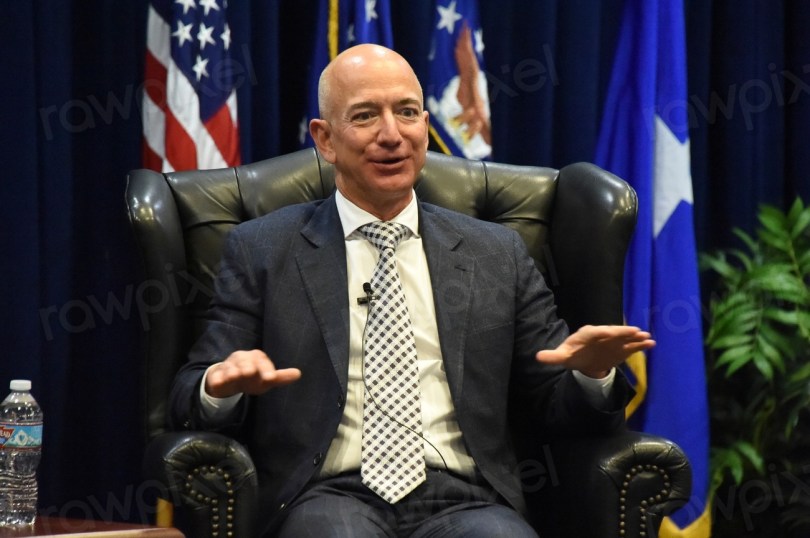
Jeff Bezos – Founder and former CEO of Amazon, one of the world’s wealthiest individuals and a key figure in the expansion of e-commerce.
Dr. Anthony Fauci – Director of the National Institute of Allergy and Infectious Diseases (NIAID), a leading immunologist and prominent figure in public health, particularly during the COVID-19 pandemic.
Jack Ma – Co-founder of Alibaba Group, a Chinese business magnate, investor, and philanthropist, known for his contributions to e-commerce and technology.
Serena Williams – Professional tennis player, considered one of the greatest athletes of all time, with numerous Grand Slam titles and a significant impact on the sport.
Malala Yousafzai – Pakistani activist for female education and the youngest Nobel Prize laureate, known for her advocacy for girls’ rights to education after surviving an assassination attempt by the Taliban.
This is the news from Indian express. But I wish they had also mentioned the name of the lady officer. She is really role model to everyone. And also its nice to read such news where in the law makers are upholding the rights of honest officers.
HYDERABAD: Two persons, who were accused of attacking a woman forest official at Lalgadimalakpet village near Medchal in 2016, were sentenced to two years jail and a fine of Rs 1,000 each.
In September 2016, the official while on duty, noticed that some eucalyptus trees were being illegally cut and up on inquiry came to know that the villagers of Rajabollaram Thanda were involved. Bukya Naresh and Maloth Raju obstructed and attacked her. They used abusive language and also assaulted her subordinates.

 Lets Talk - bindumadhavi.online