Indians Joining Foreign Armies: A Rising Concern and Its Implications

Introduction

The recent revelation by India’s Ministry of External Affairs (MEA) that at least 126 Indian citizens have joined the Russian army to participate in the ongoing Russia-Ukraine war has sparked significant debate. This phenomenon raises serious legal, ethical, and diplomatic questions, especially given India’s neutral stance on the conflict. This article explores the motivations behind such decisions, the legal ramifications, and the broader geopolitical consequences.


Motivations Behind Joining Foreign Armies

  1. Economic Incentives:
    • Many individuals who enlist in foreign militaries are driven by economic hardship and the promise of financial stability. Foreign armies, particularly during active conflicts, often offer attractive compensation packages to volunteers.
  2. Ideological Alignment:
    • Some individuals may feel a deep personal connection or ideological alignment with one side in the conflict. For instance, they may perceive the conflict as a moral or cultural cause worth supporting.
  3. Recruitment Networks:
    • Reports suggest that online platforms and social media are increasingly being used to recruit foreign nationals for military service. These channels often target vulnerable individuals through propaganda and false promises.
  4. Adventure and Prestige:
    • For some, joining a foreign military represents an opportunity for adventure, recognition, or prestige that may not be achievable in their home country.

Legal Implications

  1. Violation of the Foreign Enlistment Act (1870):
    • Indian law prohibits citizens from serving in foreign militaries without government authorization. Violators may face prosecution, fines, and imprisonment upon returning to India.
  2. International Legal Concerns:
    • Participation in conflicts could place individuals at risk of violating international humanitarian laws, particularly if they become involved in war crimes or activities targeting civilians.
  3. Citizenship Risks:
    • Serving in a foreign military might jeopardize the citizenship status of individuals, depending on the laws of their home country and the host nation.

Diplomatic and Geopolitical Consequences

  1. India’s Neutrality Compromised:
    • India has maintained a neutral stance on the Russia-Ukraine war, advocating for diplomacy and dialogue. The involvement of Indian nationals in the conflict could undermine this neutrality and strain relations with Ukraine and its allies.
  2. Strained Relations with Western Nations:
    • Western countries and organizations like NATO may perceive the participation of Indian citizens in Russia’s military as indirect support for Moscow, potentially leading to diplomatic pressures on New Delhi.
  3. Impact on Bilateral Ties:
    • Ukraine, which has historically had positive relations with India, could view the actions of these individuals as hostile, affecting bilateral trade, cooperation, and goodwill.

Government’s Preventive Measures

  1. Public Awareness Campaigns:
    • The Indian government has issued advisories warning citizens against enlisting in foreign militaries and highlighting the legal consequences.
  2. Monitoring Recruitment Channels:
    • Intelligence agencies and cybercrime units are actively working to identify and dismantle online recruitment networks operating within India.
  3. Rehabilitation and Reintegration:
    • For individuals who return, the government may consider programs for legal oversight, counseling, and community reintegration to prevent recidivism and ensure national security.

Ethical and Social Challenges

  1. Impact on Families:
    • Families of individuals who join foreign militaries often face significant stigma, emotional distress, and financial burdens.
  2. Polarized Public Opinion:
    • Public perceptions of these individuals can vary widely. While some may view them as adventurers or ideologically driven, others see them as lawbreakers undermining India’s international image.

Broader Context and Global Trends

  1. The Foreign Fighter Phenomenon:
    • The recruitment of foreign nationals is not unique to this conflict. Similar trends have been observed in the Syrian Civil War, the fight against ISIS, and other international conflicts.
  2. Global Recruitment Networks:
    • Recruitment for foreign conflicts often relies on social media, targeted propaganda, and financial incentives, making it a complex issue to address globally.

Conclusion

The involvement of Indian nationals in foreign conflicts like the Russia-Ukraine war underscores the need for robust legal frameworks, effective government intervention, and international cooperation to address this issue. While individual motivations may vary, their actions carry far-reaching implications for India’s legal, diplomatic, and social landscape.

As the global community grapples with the challenges posed by foreign fighters, India must remain vigilant and proactive in safeguarding its neutrality and international standing.

Honoring Heroes: A Global Perspective on Memorial Days and Martyrs’ Commemorations

Introduction

India: Martyr’s Day (Shaheed Diwas)

Dates: India observes several Martyr’s Days to honor those who sacrificed their lives for the country.

  • January 30: This day marks the assassination of Mahatma Gandhi in 1948. It is observed as a day to honor all martyrs who fought for India’s freedom.
  • March 23: This day commemorates the execution of Bhagat Singh, Rajguru, and Sukhdev in 1931, who were significant figures in the Indian freedom struggle.

Observances:

  • National flag at half-mast.
  • Ceremonies and tributes at memorials.
  • Silence and prayers for the martyrs.

United States: Memorial Day

Date: The last Monday of May each year.

Purpose: Memorial Day honors military personnel who have died in the performance of their military duties.

Observances:

  • Parades, especially by veterans’ organizations.
  • Visiting cemeteries and memorials.
  • Placing American flags on graves of military personnel.
  • Moments of silence and remembrance.

United Kingdom: Remembrance Day (Armistice Day)

Date: November 11 each year.

Purpose: Remembrance Day honors members of the armed forces who died in the line of duty. It marks the armistice signed at the end of World War I in 1918.

Observances:

  • Two minutes of silence at 11 AM.
  • Wearing red poppies.
  • Remembrance Sunday (the second Sunday in November) with ceremonies at war memorials and churches.
  • National service at the Cenotaph in London.

Australia and New Zealand: ANZAC Day

Date: April 25 each year.

Purpose: ANZAC Day commemorates Australian and New Zealand Army Corps (ANZAC) soldiers who fought at Gallipoli during World War I, as well as honoring all military personnel who have served and died in wars, conflicts, and peacekeeping operations.

Observances:

  • Dawn services.
  • Parades involving veterans.
  • Ceremonies at war memorials.
  • The “Last Post” bugle call and moments of silence.

Canada: Remembrance Day

Date: November 11 each year, similar to the UK.

Purpose: Honors Canadian armed forces members who have died in the line of duty.

Observances:

  • Two minutes of silence at 11 AM.
  • Wearing red poppies.
  • Ceremonies at national war memorials.
  • School and community programs.

France: Armistice Day

Date: November 11 each year.

Purpose: Commemorates the armistice signed at the end of World War I and honors all soldiers who died for France.

Observances:

  • National holiday with ceremonies.
  • Laying wreaths at war memorials.
  • Official ceremony at the Arc de Triomphe in Paris.

Germany: Volkstrauertag (National Day of Mourning)

Date: The Sunday closest to November 16.

Purpose: Honors all victims of war and tyranny.

Observances:

  • Ceremonies and speeches.
  • Laying of wreaths at war memorials.
  • Moments of silence.

Russia: Defender of the Fatherland Day

Date: February 23 each year.

Purpose: Honors military personnel and veterans, as well as celebrating the broader contributions of men to the nation.

Observances:

  • Military parades.
  • Ceremonies and laying of wreaths.
  • Official speeches and celebrations.

Conclusion

Each country has its unique way of honoring its veterans and martyrs, reflecting its history and cultural values. These observances serve as a reminder of the sacrifices made by military personnel and ensure that their legacy is remembered and respected by future generations. By understanding and participating in these commemorations, we can all contribute to preserving the memory of those who have given so much for their nations.

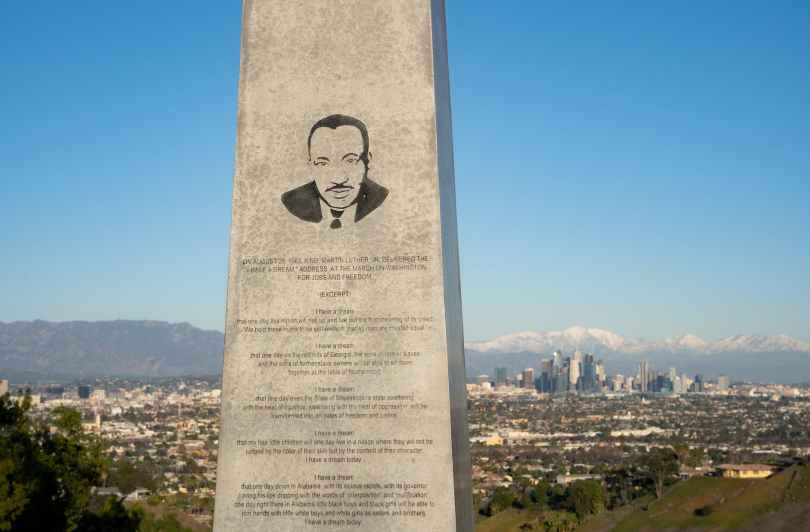
I have a dream by Martin Luther King

“I Have a Dream” is a famous speech delivered by Martin Luther King Jr. on August 28, 1963, during the March on Washington for Jobs and Freedom. King delivered the speech from the steps of the Lincoln Memorial in Washington, D.C. The speech is widely regarded as one of the most powerful and inspirational orations in American history.

In his speech, Martin Luther King Jr. passionately spoke about his dream of a future where people would be judged by their character and not by the color of their skin. He envisioned a nation where racial equality and justice would prevail. The famous lines “I have a dream” are repeated throughout the speech, emphasizing King’s vision for a more inclusive and harmonious society.

The speech is not only a pivotal moment in the American Civil Rights Movement but has also become a symbol of the struggle for equality and justice around the world. Martin Luther King Jr.’s dream of a more just and equal society continues to inspire people to this day.

  1. “I Have a Dream” Refrain: One of the most iconic aspects of the speech is the recurring refrain “I have a dream,” which King used to emphasize his vision for a future where racial equality and justice would prevail. The repetition of this phrase became a powerful and memorable part of the speech.
  2. Equality and Justice: King passionately spoke about his dream of a nation where individuals would not be judged by the color of their skin but by their character. He called for an end to racial discrimination and injustice, envisioning a society where everyone would have equal rights and opportunities.
  3. The “Table of Brotherhood”: King expressed his hope for a future where people of all races and backgrounds could come together in harmony. He used the metaphor of the “table of brotherhood,” where individuals from different walks of life could sit down together and work towards a shared goal of equality and justice.
  4. Quoting the Declaration of Independence: King invoked the principles of the American Declaration of Independence, emphasizing the unalienable rights of life, liberty, and the pursuit of happiness. By drawing on the nation’s founding documents, he called for these principles to be applied to all citizens, regardless of their race.
  5. The Dream of Freedom Ringing: King spoke of his dream that one day the “sons of former slaves and the sons of former slave owners” would be able to join hands and sing the words of the old Negro spiritual, “Free at last, free at last, thank God Almighty, we are free at last!” This powerful imagery conveyed his vision of a future where freedom and equality would prevail.

These highlights capture the essence of Martin Luther King Jr.’s vision for a more just and inclusive society as outlined in his “I Have a Dream” speech.

International Courier – Telangana

I am happy that we have an International Couriers in Medchal Telangana. Some of the pro’s and con’s

Pro’s

  1. They come to your home collect things.
  2. They are available on phone / whatsapp
  3. They charge reasonable amount

Con’s

  1. They say they will pack in front of you, but they did not pack in front of me.
  2. The staff who came to my house were not knowledgeable enough to understand what is allowed and not allowed in the package.
  3. They told me I can send lighting balloons and took it along with the greeting card, but only greeting card was sent, and I did not get back the lighting balloons.
  4. They said it will reach in a week, but later said we said it will reach in 6 working days. My card was supposed to reach before Christmas but it reached few days later.

May 20 2020

  • City of Falls Church
    44 total cases, including 9 hospitalized and 5 deaths; 297.9 cases per 100,000 people
    (Compared to yesterday: 1 more death)
  • Fairfax Health District (includes the City of Falls Church, City of Fairfax, Fairfax County, and towns within the county)
    8,254 total cases, including 1,148 hospitalized and 310 deaths
    (Compared to yesterday: 143 more cases, 20 more hospitalizations, 11 more deaths)

Blind Date with the world

Thanks to  Luftansa, for coming up with this topic.  

Just imagine you don’t have to buy tickets, plan your journey and still be in the places you dream to be. Wow wouldn’t that be great? It sounds like most of the TV shows my daughter watches. A kid thinks of becoming adult soon and next day she is waking up as an adult. She is so happy to be a grown up and independent, but soon she realizes her parents are not helping her as they did when she was a kid!

But coming back to this dream of visiting places around the globe, there are no cons to it, all I see is pros!! Few years back if someone were to ask me what is your wish list for travelling around the world, I would have come up with places like Switzerland, Paris, Rome, London, US ( which has already come true) and other popular tourist destinations. But now if I were to think where would I want to be given the chance, then my list has changed. When I look back and see the places I have visited before and where I got the utmost happiness or felt rejuvenated, it’s the less known beautiful scenic places. Nature continues to inspire me, improve me, and help me explore the hidden me!

Thanks to the screen savers I got with my new ASUS, it asks me if I like what I see? and also tells me where it is. So here is my Bucket list of places I want to go.

  1. Plitvice National Park – Croatia – Nearest airport is Lošinj Airport, Croatiaplitvice national park
  2. Min Mountains – China – Nearest airport is Chengdu Shuangliu International Airport

    agriculture asia cat china
    Photo by Pixabay on Pexels.com
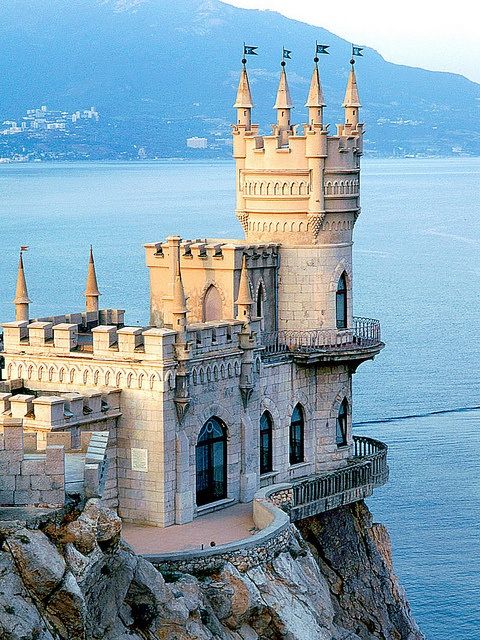
  3. Swallows Nest Castle – Ukraine – Nearest airport is Vienna International airportswallows nest
  4. Uluru a.k.a Ayers Rock – Australia – Nearest Airport Docker River airportuluru australia
  5. Antelope Canyon – Arizona USA- Nearest Airport Las Vegasantelope canyon
  6. Antartica – Port Lockroy Argentina – nearest airport Ushuaia – I should say my love for Antartica increased after watching the TV Series ‘Atypical’ There is so much reference to the Penguins and other animals of Antartica. I almost fell in love with that. What better place do I need for a Blind date? So this definitely goes to my #BlindListEmperor-penguin
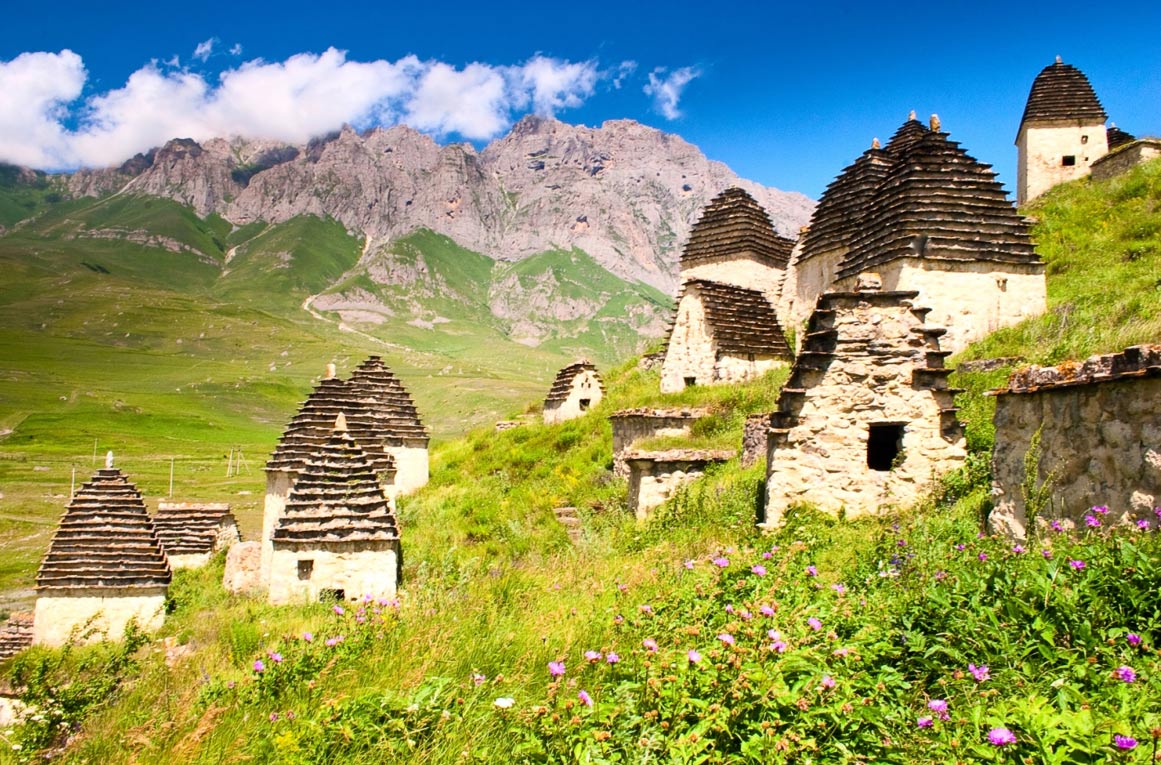
  7. Dargavs Village – Russia – Nearest Airport – Vladiklavkaz      This place kind of reminds me of Deserted Village of Feltville. But definitely they have different stories and different history. Dargavs village is popularly know as city of the Dead.Dargavs-Russia

If I don’t have to pack and plan and just go anywhere I want like I had the magic mat, then is there a limit? I wish I could come back and go on continuing the list. Yes I will definitely do that.This Entry is for a contest from Indiblogger and Lufthansa. I really thank them for this contest and it really gave me plenty of Travel Inspiration.