Why Columbia University is called “Columbia University”


Wondering about Colombia country, I was thinking why do we have Columbia University, Washington District of Columbia in USA. How is it related… So here is what I found.

1. It started as “King’s College” (1754)

  • Founded in 1754 in New York City, when the area was still under British rule.
  • It was established by King George II of England, so it was named King’s College.
  • It was the fifth-oldest college in the U.S. (after Harvard, William & Mary, Yale, and Princeton).

2. After the American Revolution, “King’s College” didn’t sound so good

  • When the U.S. gained independence in 1776, people no longer wanted anything with “King” in the name.
  • The college closed temporarily during the war and later reopened with a new, patriotic identity.

3. “Columbia” = poetic name for America

  • In the 1700s and 1800s, “Columbia” was a poetic or symbolic name for the United States.
  • It comes from the name Christopher Columbus, the explorer often credited with “discovering” the Americas.
  • So “Columbia” meant “Land of Columbus” — and represented freedom and the new nation.

4. Renamed Columbia College (1784) → Columbia University (1896)

  • In 1784, after independence, it was renamed Columbia College to honor the new nation.
  • Later, as it grew into a major research institution with multiple schools (law, medicine, etc.), it officially became Columbia University in 1896.

5. Today

  • Columbia University in the City of New York is one of the Ivy League universities.
  • It is famous for:
    • Nobel Prize winners
    • Pulitzer Prize administration
    • Core Curriculum
    • Alumni like Barack Obama and Alexander Hamilton

Indians Joining Foreign Armies: A Rising Concern and Its Implications

Introduction

The recent revelation by India’s Ministry of External Affairs (MEA) that at least 126 Indian citizens have joined the Russian army to participate in the ongoing Russia-Ukraine war has sparked significant debate. This phenomenon raises serious legal, ethical, and diplomatic questions, especially given India’s neutral stance on the conflict. This article explores the motivations behind such decisions, the legal ramifications, and the broader geopolitical consequences.


Motivations Behind Joining Foreign Armies

  1. Economic Incentives:
    • Many individuals who enlist in foreign militaries are driven by economic hardship and the promise of financial stability. Foreign armies, particularly during active conflicts, often offer attractive compensation packages to volunteers.
  2. Ideological Alignment:
    • Some individuals may feel a deep personal connection or ideological alignment with one side in the conflict. For instance, they may perceive the conflict as a moral or cultural cause worth supporting.
  3. Recruitment Networks:
    • Reports suggest that online platforms and social media are increasingly being used to recruit foreign nationals for military service. These channels often target vulnerable individuals through propaganda and false promises.
  4. Adventure and Prestige:
    • For some, joining a foreign military represents an opportunity for adventure, recognition, or prestige that may not be achievable in their home country.

Legal Implications

  1. Violation of the Foreign Enlistment Act (1870):
    • Indian law prohibits citizens from serving in foreign militaries without government authorization. Violators may face prosecution, fines, and imprisonment upon returning to India.
  2. International Legal Concerns:
    • Participation in conflicts could place individuals at risk of violating international humanitarian laws, particularly if they become involved in war crimes or activities targeting civilians.
  3. Citizenship Risks:
    • Serving in a foreign military might jeopardize the citizenship status of individuals, depending on the laws of their home country and the host nation.

Diplomatic and Geopolitical Consequences

  1. India’s Neutrality Compromised:
    • India has maintained a neutral stance on the Russia-Ukraine war, advocating for diplomacy and dialogue. The involvement of Indian nationals in the conflict could undermine this neutrality and strain relations with Ukraine and its allies.
  2. Strained Relations with Western Nations:
    • Western countries and organizations like NATO may perceive the participation of Indian citizens in Russia’s military as indirect support for Moscow, potentially leading to diplomatic pressures on New Delhi.
  3. Impact on Bilateral Ties:
    • Ukraine, which has historically had positive relations with India, could view the actions of these individuals as hostile, affecting bilateral trade, cooperation, and goodwill.

Government’s Preventive Measures

  1. Public Awareness Campaigns:
    • The Indian government has issued advisories warning citizens against enlisting in foreign militaries and highlighting the legal consequences.
  2. Monitoring Recruitment Channels:
    • Intelligence agencies and cybercrime units are actively working to identify and dismantle online recruitment networks operating within India.
  3. Rehabilitation and Reintegration:
    • For individuals who return, the government may consider programs for legal oversight, counseling, and community reintegration to prevent recidivism and ensure national security.

Ethical and Social Challenges

  1. Impact on Families:
    • Families of individuals who join foreign militaries often face significant stigma, emotional distress, and financial burdens.
  2. Polarized Public Opinion:
    • Public perceptions of these individuals can vary widely. While some may view them as adventurers or ideologically driven, others see them as lawbreakers undermining India’s international image.

Broader Context and Global Trends

  1. The Foreign Fighter Phenomenon:
    • The recruitment of foreign nationals is not unique to this conflict. Similar trends have been observed in the Syrian Civil War, the fight against ISIS, and other international conflicts.
  2. Global Recruitment Networks:
    • Recruitment for foreign conflicts often relies on social media, targeted propaganda, and financial incentives, making it a complex issue to address globally.

Conclusion

The involvement of Indian nationals in foreign conflicts like the Russia-Ukraine war underscores the need for robust legal frameworks, effective government intervention, and international cooperation to address this issue. While individual motivations may vary, their actions carry far-reaching implications for India’s legal, diplomatic, and social landscape.

As the global community grapples with the challenges posed by foreign fighters, India must remain vigilant and proactive in safeguarding its neutrality and international standing.

Honoring Heroes: A Global Perspective on Memorial Days and Martyrs’ Commemorations

Introduction

India: Martyr’s Day (Shaheed Diwas)

Dates: India observes several Martyr’s Days to honor those who sacrificed their lives for the country.

  • January 30: This day marks the assassination of Mahatma Gandhi in 1948. It is observed as a day to honor all martyrs who fought for India’s freedom.
  • March 23: This day commemorates the execution of Bhagat Singh, Rajguru, and Sukhdev in 1931, who were significant figures in the Indian freedom struggle.

Observances:

  • National flag at half-mast.
  • Ceremonies and tributes at memorials.
  • Silence and prayers for the martyrs.

United States: Memorial Day

Date: The last Monday of May each year.

Purpose: Memorial Day honors military personnel who have died in the performance of their military duties.

Observances:

  • Parades, especially by veterans’ organizations.
  • Visiting cemeteries and memorials.
  • Placing American flags on graves of military personnel.
  • Moments of silence and remembrance.

United Kingdom: Remembrance Day (Armistice Day)

Date: November 11 each year.

Purpose: Remembrance Day honors members of the armed forces who died in the line of duty. It marks the armistice signed at the end of World War I in 1918.

Observances:

  • Two minutes of silence at 11 AM.
  • Wearing red poppies.
  • Remembrance Sunday (the second Sunday in November) with ceremonies at war memorials and churches.
  • National service at the Cenotaph in London.

Australia and New Zealand: ANZAC Day

Date: April 25 each year.

Purpose: ANZAC Day commemorates Australian and New Zealand Army Corps (ANZAC) soldiers who fought at Gallipoli during World War I, as well as honoring all military personnel who have served and died in wars, conflicts, and peacekeeping operations.

Observances:

  • Dawn services.
  • Parades involving veterans.
  • Ceremonies at war memorials.
  • The “Last Post” bugle call and moments of silence.

Canada: Remembrance Day

Date: November 11 each year, similar to the UK.

Purpose: Honors Canadian armed forces members who have died in the line of duty.

Observances:

  • Two minutes of silence at 11 AM.
  • Wearing red poppies.
  • Ceremonies at national war memorials.
  • School and community programs.

France: Armistice Day

Date: November 11 each year.

Purpose: Commemorates the armistice signed at the end of World War I and honors all soldiers who died for France.

Observances:

  • National holiday with ceremonies.
  • Laying wreaths at war memorials.
  • Official ceremony at the Arc de Triomphe in Paris.

Germany: Volkstrauertag (National Day of Mourning)

Date: The Sunday closest to November 16.

Purpose: Honors all victims of war and tyranny.

Observances:

  • Ceremonies and speeches.
  • Laying of wreaths at war memorials.
  • Moments of silence.

Russia: Defender of the Fatherland Day

Date: February 23 each year.

Purpose: Honors military personnel and veterans, as well as celebrating the broader contributions of men to the nation.

Observances:

  • Military parades.
  • Ceremonies and laying of wreaths.
  • Official speeches and celebrations.

Conclusion

Each country has its unique way of honoring its veterans and martyrs, reflecting its history and cultural values. These observances serve as a reminder of the sacrifices made by military personnel and ensure that their legacy is remembered and respected by future generations. By understanding and participating in these commemorations, we can all contribute to preserving the memory of those who have given so much for their nations.

Ramappa Temple

The Ramappa Temple, officially known as the Ramalingeswara Temple, is named after its chief architect, Ramappa. Ramappa was a skilled and accomplished sculptor and engineer who played a pivotal role in the construction of the temple. The temple, dedicated to Lord Shiva, was built during the 12th century under the patronage of the Kakatiya dynasty, and it stands as a masterpiece of Kakatiya architecture.

Ramappa’s expertise and artistic vision are reflected in the intricate carvings, detailed sculptures, and unique architectural features of the temple. The temple is renowned not only for its religious significance but also for the exceptional craftsmanship and engineering ingenuity displayed in its construction. The name “Ramappa Temple” pays tribute to the talented artisan who contributed significantly to its creation.

Here is the Google Map link to Reach Ramappa Temple Its four hour drive from Hyderabad.

https://maps.app.goo.gl/C2hUexnkCJTNXLG47

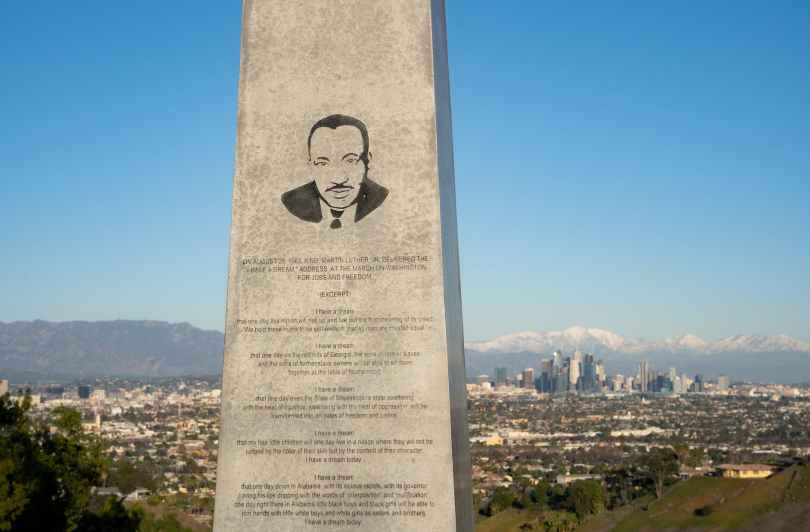
I have a dream by Martin Luther King

“I Have a Dream” is a famous speech delivered by Martin Luther King Jr. on August 28, 1963, during the March on Washington for Jobs and Freedom. King delivered the speech from the steps of the Lincoln Memorial in Washington, D.C. The speech is widely regarded as one of the most powerful and inspirational orations in American history.

In his speech, Martin Luther King Jr. passionately spoke about his dream of a future where people would be judged by their character and not by the color of their skin. He envisioned a nation where racial equality and justice would prevail. The famous lines “I have a dream” are repeated throughout the speech, emphasizing King’s vision for a more inclusive and harmonious society.

The speech is not only a pivotal moment in the American Civil Rights Movement but has also become a symbol of the struggle for equality and justice around the world. Martin Luther King Jr.’s dream of a more just and equal society continues to inspire people to this day.

  1. “I Have a Dream” Refrain: One of the most iconic aspects of the speech is the recurring refrain “I have a dream,” which King used to emphasize his vision for a future where racial equality and justice would prevail. The repetition of this phrase became a powerful and memorable part of the speech.
  2. Equality and Justice: King passionately spoke about his dream of a nation where individuals would not be judged by the color of their skin but by their character. He called for an end to racial discrimination and injustice, envisioning a society where everyone would have equal rights and opportunities.
  3. The “Table of Brotherhood”: King expressed his hope for a future where people of all races and backgrounds could come together in harmony. He used the metaphor of the “table of brotherhood,” where individuals from different walks of life could sit down together and work towards a shared goal of equality and justice.
  4. Quoting the Declaration of Independence: King invoked the principles of the American Declaration of Independence, emphasizing the unalienable rights of life, liberty, and the pursuit of happiness. By drawing on the nation’s founding documents, he called for these principles to be applied to all citizens, regardless of their race.
  5. The Dream of Freedom Ringing: King spoke of his dream that one day the “sons of former slaves and the sons of former slave owners” would be able to join hands and sing the words of the old Negro spiritual, “Free at last, free at last, thank God Almighty, we are free at last!” This powerful imagery conveyed his vision of a future where freedom and equality would prevail.

These highlights capture the essence of Martin Luther King Jr.’s vision for a more just and inclusive society as outlined in his “I Have a Dream” speech.

Celebrating Hundred days of School – Ideas for art and craft

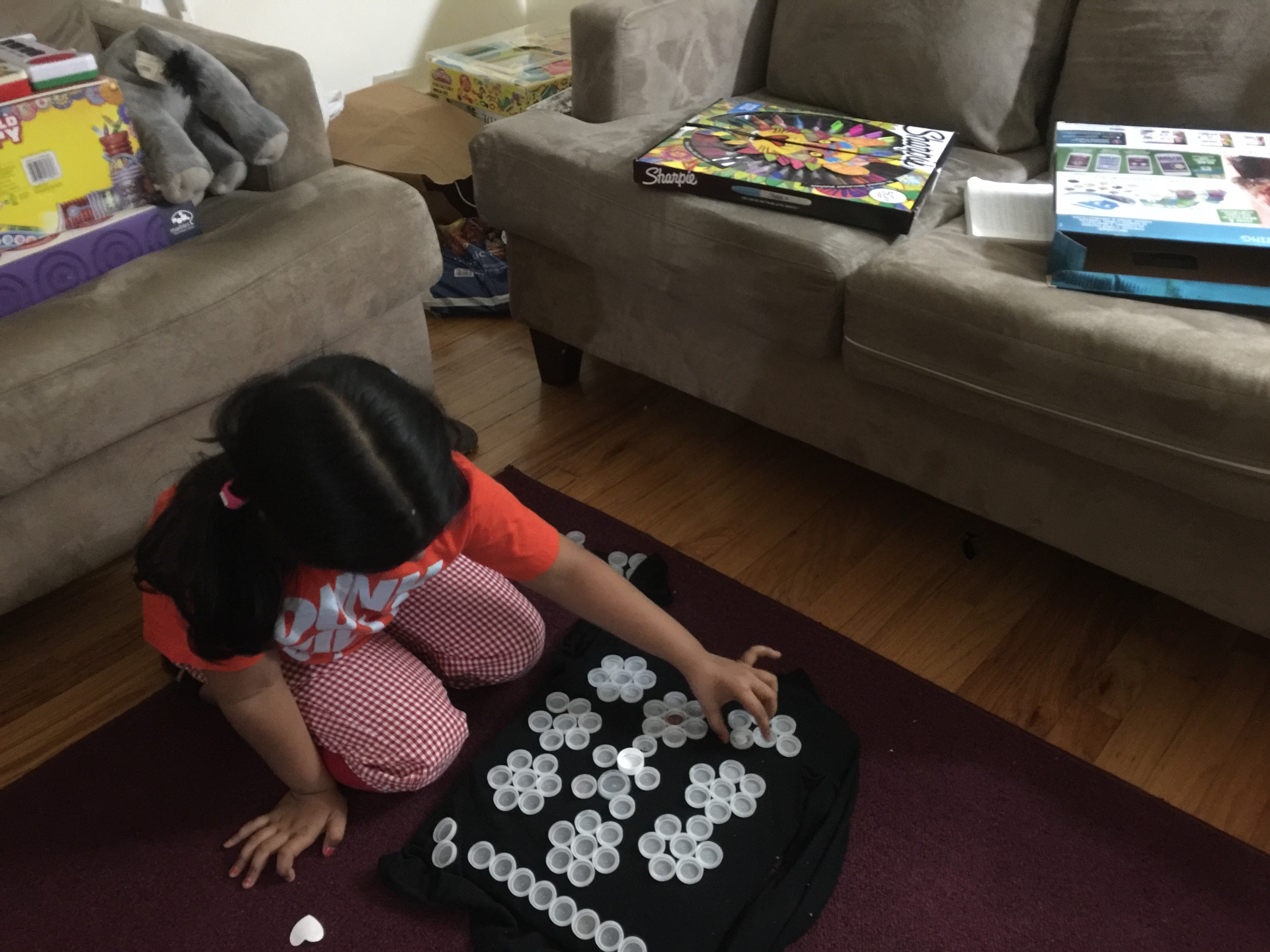
In American schools, the milestone of reaching 100 days of school in an academic year is often celebrated with various activities and projects. Recently, our daughter’s school in New Jersey organized a special event to commemorate this achievement. As part of the celebration, the students were encouraged to create something that symbolized their 100 days of learning. Our daughter, with her artistic flair and concern for the environment, crafted a unique artwork using 100 plastic bottle caps. Additionally, she incorporated heart-shaped stickers to display her appreciation for the wonderful journey of education. This article delves into the significance of her creation, highlighting the themes of recycling, reusing, and love for learning.

Embracing Environmental Awareness: Our daughter’s decision to utilize 100 plastic bottle caps in her artwork was a thoughtful gesture that promotes the principles of environmental conservation. By repurposing these bottle caps, she highlighted the importance of the three R’s: Reduce, Reuse, and Recycle. Plastic pollution poses a significant threat to our ecosystem, and reusing materials can play a crucial role in minimizing this impact. Through her artwork, our daughter aimed to raise awareness and inspire others to adopt sustainable practices in their daily lives.

Keeping Our Environment Clean: One of the underlying messages conveyed by our daughter’s art is the significance of reusing materials to keep our surroundings clean. While we may strive to eliminate plastic from our lives completely, it is not always practical or feasible. Plastic often finds its way into our homes, and rather than discarding it immediately, reusing can be an effective alternative. Our daughter’s use of 100 bottle caps showcased how simple acts of reusing can contribute to a cleaner environment.

Expressing Love for Learning: Alongside her creative display of environmental awareness, our daughter expressed her affection for the 100 days of school through heart-shaped stickers that formed the number “100.” This symbolic representation served as a testament to her enjoyment and appreciation of the educational journey she embarked upon. It is a reminder of the many opportunities for growth, knowledge, and personal development that each day of school brings. The heart-shaped stickers also served as a heartfelt thank you to her teachers, classmates, and the entire school community for making her experience special and memorable.

Conclusion: The celebration of 100 days of school holds great significance in the American education system. Our daughter’s artwork, composed of 100 plastic bottle caps and heart-shaped stickers, beautifully encapsulates the essence of this milestone. By promoting the principles of recycling and reusing, she exemplifies the importance of caring for our environment. Simultaneously, her expression of love for learning reminds us of the invaluable impact of education. Through her creation, she has not only left a lasting impression but also inspired others to consider their role in preserving our planet and cherishing the joys of learning.

Hiking at Mt Tammany Hills

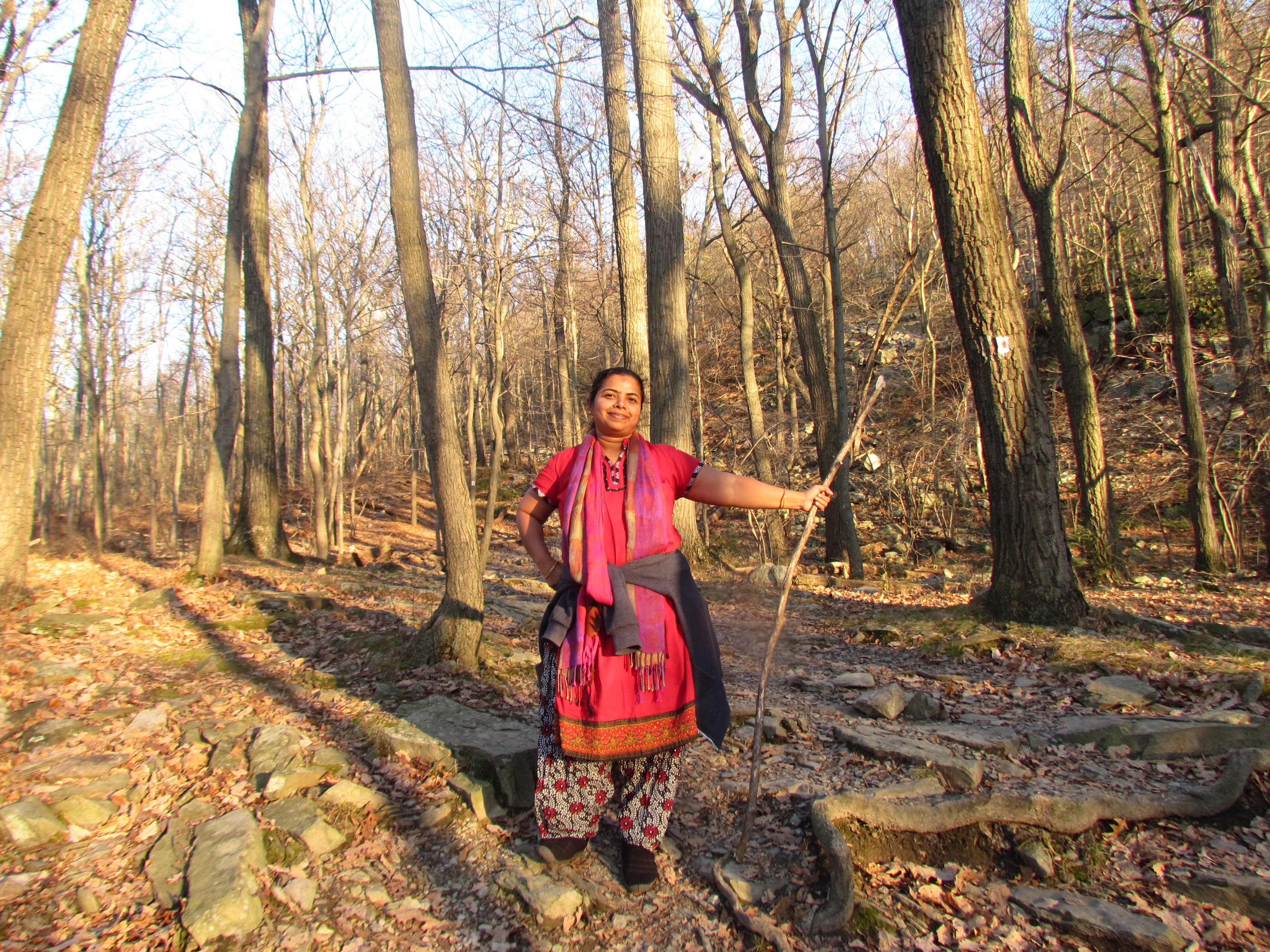
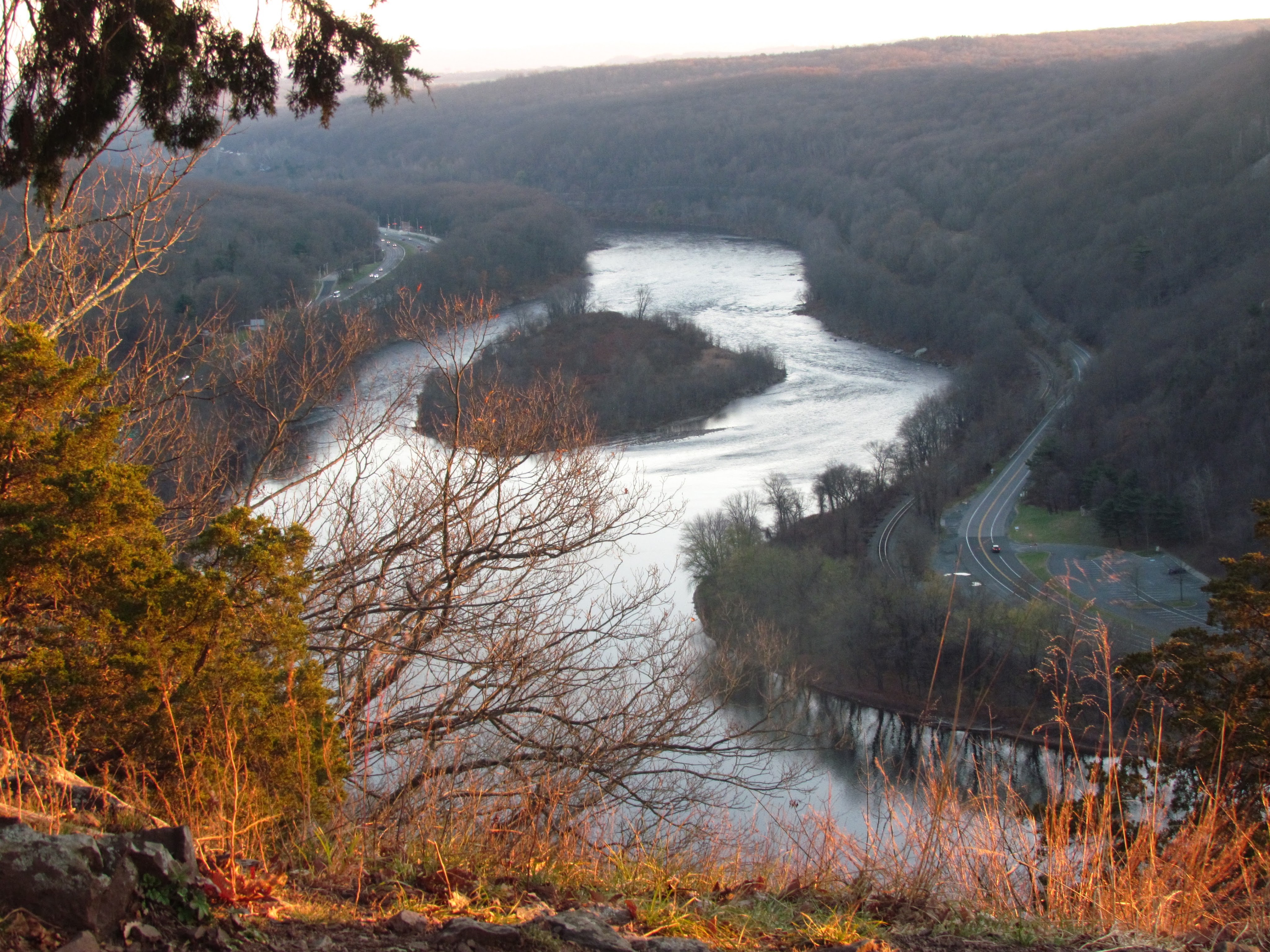
Mount Tammany Hiking Trail is in Hardwick New Jersey. It has both blue dot trails and red dot trails. Blue dot trail is the easier one and Red dot is the harder one and which is popular. We went in October and it was good. I guess its good in most of the seasons except in peak winters. Also it might get too hot in summers. Its always ideal to start early mornings if you are a beginner and hiking with kids. Because it will be difficult to get down once it gets dark. As you can see in the picture it has got dark by the time we reached down and having some snacks. Carry enough water and food with you in the car as you will not find any shops nearby. Also the rest rooms are of temporary kind not connected through the regular water supply so you can avoid it and use the nearest public restroom service by checking in google or GPS.

Also it might be a good idea to keep a rough map handy as these are in country side and signal might get lost.

The effort is worth it, you will get beautiful views and its very near to popular cities like Edison, East windsor etc so you should visit if you are living in NJ or Pennsylvania.

Always add insurance option while buying Travel Tickets

Referring to the article on ET people who were affected by the Balasore Train accident could have got some solace if they had paid the extra 35 paise as a part of insurance while buying the tickets. They would have got death benefit of 10 lakh, permanent disability 10 lakh, hospitalization coverage 2 lakh and Transportation of mortal remains INR 10,000. So this is just one example and one case.

How often do we select that insurance option while booking tickets? Now that we know about it we can definitely add this extra few paise or rupees while buying a train ticket or bus ticket. But most often for flight tickets the insurance part would be more. So we might not choose that option. But remember risk is also more while flying. So better to opt for that every time that option is there. Now we need to cross check of all the people who opted for that how many get the benefit and how soon. Because the family members might not even be aware if they had opted for that or not!! Not everyone buys tickets online. Hope Government compensates everyone affected by the accident.

Karnataka Politics – Who is Who

nameDesignationPlacePartyRemarks
D K ShivakumarDeputy Chief MinisterKanakapura / BengaluruINCIn news for Congress Win in 2023 Elections and Daring Governance
Pradeep EshwarMLAChikkaballapurINCTeacher, founder of Parishrama NEET academy 38 years old.
Tejasvi SuryaMPBangalore SouthBJPLawyer and 33 years old.
Darshan PuttannaiahMLAMelukoteSKP/INCUS entrepreneur returning to India, son of Puttannaiah

Tours Tuesday – Uttara Kannada District in Karnataka

  1. Yana is a small village located in the Uttara Kannada district of the state of Karnataka, India. It is situated in the Sahyadri mountain range of the Western Ghats and is known for its unique rock formations and natural beauty. The village is located around 60 km from the town of Kumta and around 150 km from the city of Mangalore. The nearest railway station is at Kumta, and the nearest airport is at Mangalore. The village is accessible by road and is a popular destination for trekking, rock climbing, and nature lovers. The two famous rock formations in Yana are the Bhairaveshwara Shikhara and the Mohini Shikhara, which are around 120 meters and 90 meters high, respectively. The village is also known for its ancient temple dedicated to Lord Shiva, which is located at the base of the Bhairaveshwara Shikhara rock formation.
  2. Murdeshwar is a small town located in the Uttara Kannada district of the Indian state of Karnataka. It is situated on the coast of the Arabian Sea and is known for its famous Murdeshwar Temple, which is dedicated to Lord Shiva. The town is located around 160 km from the city of Mangalore and around 475 km from the state capital, Bangalore. Murdeshwar is famous for its temple and the 123-feet tall statue of Lord Shiva, which is one of the tallest statues of Lord Shiva in the world. The statue is located on a small hill called Kanduka Giri and is visible from a distance. The temple complex also includes a huge gopuram (tower) at the entrance and several smaller shrines dedicated to other deities. Apart from the temple, Murdeshwar is also known for its beautiful beach, which is situated near the temple complex. The beach is clean and well-maintained, and is a popular destination for tourists. The town also has several other attractions, including the Netrani Island, which is a popular destination for scuba diving and snorkeling.
  3. Gokarna: Gokarna is a popular pilgrimage site located on the coast of the Arabian Sea. It is known for its ancient temples, pristine beaches, and scenic beauty.
  4. Jog Falls: Jog Falls is one of the highest waterfalls in India, located in the dense forest of the Western Ghats. It is a popular destination for nature lovers and adventure enthusiasts.
  5. Karwar: Karwar is a coastal city known for its beautiful beaches, temples, and historic forts. It is also known for its seafood and water sports.
  6. Anshi National Park: Anshi National Park is a protected area in the Western Ghats known for its diverse flora and fauna. It is a popular destination for wildlife enthusiasts and nature lovers.
  7. Dandeli: Dandeli is a town known for its wildlife sanctuary, adventure sports, and natural beauty. It is a popular destination for trekking, camping, and white-water rafting.
  8. Sirsi: Sirsi is a town known for its historic temples, waterfalls, and natural beauty. It is a popular destination for tourists and pilgrims.

Beaches near Uttara Kannada District

Uttara Kannada district is known for its beautiful beaches along the Arabian Sea coast. Here are some of the popular beaches in and around Uttara Kannada district:

  1. Gokarna Beach: Gokarna Beach is a popular beach located in the town of Gokarna. It is known for its serene and peaceful atmosphere, clear blue waters, and pristine white sand. It is a popular destination for swimming, sunbathing, and water sports.
  2. Murudeshwar Beach: Murudeshwar Beach is located in the town of Murudeshwar and is known for its beautiful views of the Arabian Sea, the towering statue of Lord Shiva, and the Murudeshwar Temple.
  3. Om Beach: Om Beach is a scenic beach located near Gokarna. It is named after its shape, which resembles the Om symbol of Hinduism. The beach is surrounded by lush green hills and is a popular destination for swimming, sunbathing, and water sports.
  4. Kudle Beach: Kudle Beach is another popular beach located near Gokarna. It is known for its golden sand, clear blue waters, and stunning sunsets. It is a popular destination for surfing, swimming, and sunbathing.
  5. Half Moon Beach: Half Moon Beach is a secluded beach located near Gokarna. It is accessible only by boat or a short trek through the jungle. It is known for its tranquil atmosphere, clear blue waters, and beautiful scenery.
  6. Karwar Beach: Karwar Beach is a popular beach located in the town of Karwar. It is known for its clear blue waters, soft sand, and stunning sunsets. It is a popular destination for swimming, sunbathing, and water sports.
  7. Devbagh Beach: Devbagh Beach is located near Karwar and is known for its natural beauty, clear blue waters, and stunning scenery. It is a popular destination for swimming, sunbathing, and water sports.

Temples in Uttara Kannada District

  • Mahabaleshwar Temple, Gokarna: The Mahabaleshwar Temple is a famous temple dedicated to Lord Shiva located in the town of Gokarna. It is one of the most important pilgrimage sites in the district and attracts a large number of devotees every year.
  • Kollur Mookambika Temple: The Kollur Mookambika Temple is a popular temple dedicated to the goddess Mookambika. It is located in the village of Kollur and is one of the most visited temples in the district.
  • Idagunji Ganapati Temple: The Idagunji Ganapati Temple is a famous temple dedicated to Lord Ganesha located in the village of Idagunji. It is one of the most visited temples in the district.
  • Ulavi Channabasaveshwara Temple: The Ulavi Channabasaveshwara Temple is a popular temple dedicated to Lord Shiva. It is located in the town of Ulavi and is known for its beautiful architecture and spiritual significance.
  • Mahaganapati Temple, Anegudde: The Mahaganapati Temple is a popular temple dedicated to Lord Ganesha located in the village of Anegudde. It is one of the seven sacred places in the district and attracts a large number of devotees every year.
  • Shri Vinayaka Temple, Sirsi: The Shri Vinayaka Temple is a famous temple dedicated to Lord Ganesha located in the town of Sirsi. It is known for its beautiful architecture and spiritual significance.
  • Shri Mallikarjuna Temple, Kodachadri: The Shri Mallikarjuna Temple is a popular temple located on the Kodachadri hill in the district. It is dedicated to Lord Shiva and attracts a large number of devotees every year.

Major Rivers of Uttara Kannada District

  1. Kali River: The Kali River is the major river that flows through Uttara Kannada district. It originates in the Western Ghats and flows into the Arabian Sea.
  2. Sharavathi River: The Sharavathi River is another major river that flows through Uttara Kannada district. It originates in the Western Ghats and flows into the Arabian Sea.
  3. Gangavalli River: The Gangavalli River is a tributary of the Sharavathi River and flows through Uttara Kannada district.
  4. Aghanashini River: The Aghanashini River is a beautiful river that flows through the district and is known for its scenic beauty.
  5. Bedti River: The Bedti River is another important river that flows through Uttara Kannada district.

What’s Cooking in Uttara Kannada District of Karnataka?

  1. Kotte Kadubu: Kotte Kadubu is a traditional steamed rice dumpling dish that is popular in Uttara Kannada. It is made by stuffing rice flour and coconut into a cone-shaped leaf and steaming it.
  2. Neer Dosa: Neer Dosa is a popular rice crepe that is a staple breakfast item in Uttara Kannada. It is made by grinding soaked rice into a fine batter and then cooking it on a griddle.
  3. Goli Baje: Goli Baje is a popular snack in Uttara Kannada made from a mixture of maida (all-purpose flour), curd, and spices. The mixture is then shaped into small balls and deep-fried until golden brown.
  4. Tambuli: Tambuli is a unique dish made from curd, coconut, and spices. It is a traditional dish that is commonly served with rice in Uttara Kannada.
  5. Kotte Rotti: Kotte Rotti is a delicious pancake-like dish made from rice flour and coconut. It is cooked on a banana leaf and is a popular breakfast item in the district.
  6. Seafood: Uttara Kannada district is located on the coast and is known for its fresh and delicious seafood. Some of the popular seafood dishes in the district include fish fry, fish curry, and prawn fry.