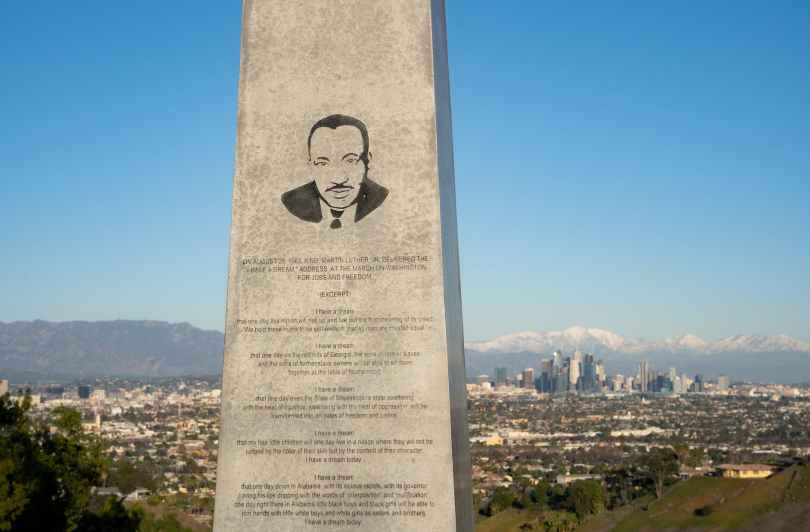
“I Have a Dream” is a famous speech delivered by Martin Luther King Jr. on August 28, 1963, during the March on Washington for Jobs and Freedom. King delivered the speech from the steps of the Lincoln Memorial in Washington, D.C. The speech is widely regarded as one of the most powerful and inspirational orations in American history.
In his speech, Martin Luther King Jr. passionately spoke about his dream of a future where people would be judged by their character and not by the color of their skin. He envisioned a nation where racial equality and justice would prevail. The famous lines “I have a dream” are repeated throughout the speech, emphasizing King’s vision for a more inclusive and harmonious society.
The speech is not only a pivotal moment in the American Civil Rights Movement but has also become a symbol of the struggle for equality and justice around the world. Martin Luther King Jr.’s dream of a more just and equal society continues to inspire people to this day.
- “I Have a Dream” Refrain: One of the most iconic aspects of the speech is the recurring refrain “I have a dream,” which King used to emphasize his vision for a future where racial equality and justice would prevail. The repetition of this phrase became a powerful and memorable part of the speech.
- Equality and Justice: King passionately spoke about his dream of a nation where individuals would not be judged by the color of their skin but by their character. He called for an end to racial discrimination and injustice, envisioning a society where everyone would have equal rights and opportunities.
- The “Table of Brotherhood”: King expressed his hope for a future where people of all races and backgrounds could come together in harmony. He used the metaphor of the “table of brotherhood,” where individuals from different walks of life could sit down together and work towards a shared goal of equality and justice.
- Quoting the Declaration of Independence: King invoked the principles of the American Declaration of Independence, emphasizing the unalienable rights of life, liberty, and the pursuit of happiness. By drawing on the nation’s founding documents, he called for these principles to be applied to all citizens, regardless of their race.
- The Dream of Freedom Ringing: King spoke of his dream that one day the “sons of former slaves and the sons of former slave owners” would be able to join hands and sing the words of the old Negro spiritual, “Free at last, free at last, thank God Almighty, we are free at last!” This powerful imagery conveyed his vision of a future where freedom and equality would prevail.
These highlights capture the essence of Martin Luther King Jr.’s vision for a more just and inclusive society as outlined in his “I Have a Dream” speech.


 Lets Talk - bindumadhavi.online