Mo Shaikh

Who Is Mo Shaikh?

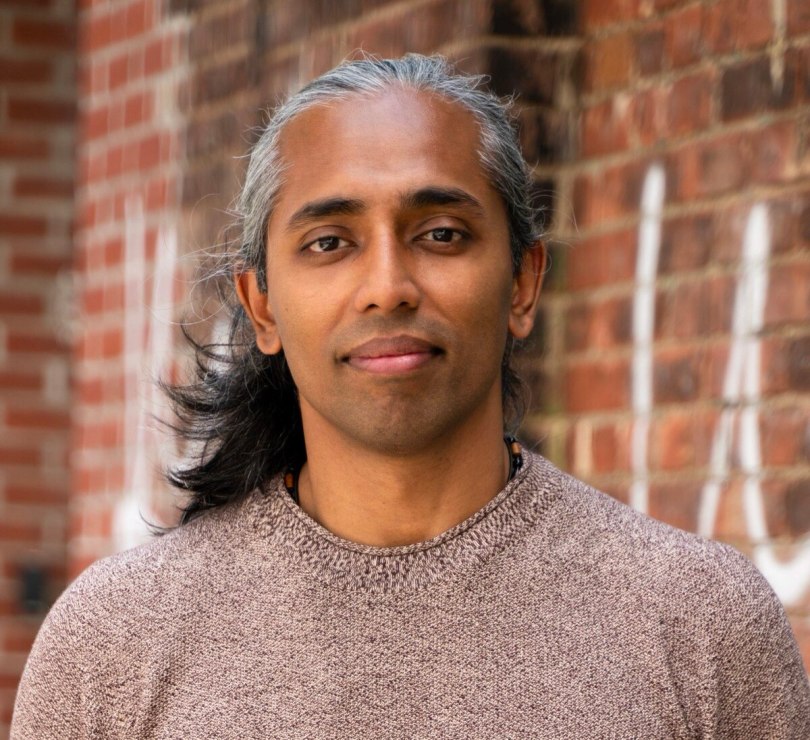
Mohammad “Mo” Shaikh is an influential American entrepreneur, investor, and policy strategist who works in blockchain, Web3, and traditional finance.
(Birth year: publicly available sources list him as born in 1986.)
He was raised in Brooklyn by immigrant parents from Pakistan — his father worked as a taxi driver, and his mother was a homemaker. (He is described as having immigrant parents because both of them moved from Pakistan to the United States before he was born.)
Mo’s childhood experiences helped shape his mission: to create a financial system that is fair and accessible for everyone.


Early Life & Education

Mo earned a Bachelor of Science degree in Economics, Psychology, and Accounting from Hunter College.

He later received an MBA in Organizational Strategy & Finance from the Simon Business School at the University of Rochester.

While in business school, he was very active in student leadership. He served as co-president of the Investment Club and also helped run a student venture fund.


Career Trajectory

Traditional Finance

Before entering the blockchain world, Mo worked in private equity (including time at BlackRock) and in strategy consulting at the Boston Consulting Group (BCG).

He advised clients in the energy, telecom, and sovereign-wealth sectors.


Blockchain & Web3

Meridio

In 2017, Mo co-founded Meridio, a ConsenSys-backed platform used to tokenize real estate on Ethereum.

One of Meridio’s early achievements was fractionalizing ownership of a Brooklyn property at 304 Troutman Street using blockchain.

Meridio was later merged into ConsenSys.

Aptos Labs

In 2021, after Meta (Facebook) shut down its Diem blockchain, Mo and engineer Avery Ching founded Aptos Labs.

Under Mo’s leadership, Aptos raised nearly $500 million from top investors such as a16z, Apollo, and BlackRock.

Aptos also built partnerships with companies like Google Cloud, Microsoft, NBCUniversal, and major global asset managers.

The company expanded worldwide — including into Asia — through moves like acquiring the Japanese firm HashPalette.

In December 2024, Mo stepped down as CEO of Aptos, but he remained a founding shareholder.

Investing & Advising

After leaving his CEO role, Mo shifted into supporting and mentoring early-stage Web3 and AI founders.

Venture Fund

In 2025, he co-founded Maximum Frequency Ventures (MFV), a $50 million fund focused on crypto infrastructure, Web3 innovation, and AI networks.


Policy & Governance

Mo was appointed to the CFTC Digital Assets Subcommittee in 2024.

He also serves on the board of trustees at Hunter College.

He frequently speaks at major global conferences — including the World Economic Forum, Milken Institute, and Point Zero Forum — where he discusses financial inclusion, regulation, and the future of blockchain.


Motivations & Philosophy

Mo’s early life, especially watching his parents struggle with traditional financial systems, inspired him to rethink how money should move in the modern world.

He believes blockchain can remove inefficiencies, helping transactions become faster, cheaper, and more transparent.

His work connects traditional finance with crypto innovation, aiming to bring Web3 technology into everyday use.


Impact & Legacy

Under Mo’s leadership, Aptos quickly became a major Layer-1 blockchain with a strong developer community and many institutional partners.

His work at Meridio helped pioneer tokenized real estate and showed how real-world assets can be shared more fairly using blockchain.

Through policy work, investing, and leadership, Mo continues to influence both the technology and regulation of digital assets.


Challenges & Critiques

Like many blockchain leaders, Mo and Aptos have faced questions about tokenomics and funding transparency.

There are also natural questions about how a founder stays influential after stepping away from a CEO role — but Mo’s launch of MFV shows that he is continuing to build in the space.


What’s Next

Growing MFV

Through his venture fund, Mo will likely invest in companies focused on crypto infrastructure, AI systems, and tools connecting blockchain with real-world use.

Policy Influence

His role in regulatory discussions may help shape how governments around the world treat digital assets.

Web3 in Emerging Markets

Mo has highlighted huge opportunities in regions like Asia and the Middle East, where older financial systems are less efficient and Web3 could help more people gain access to modern technology.


Final Thoughts

Mo Shaikh is more than a tech founder. He is someone who wants to make the financial world easier and fairer for everyone. Growing up in Brooklyn with immigrant parents taught him how difficult money and banking can be for ordinary people.

Because of that, he has spent his career trying to build better financial tools using new technology. His work at Aptos, his early real-estate blockchain projects, and now his investing and policy work all show the same goal:
help people, open more doors, and make the financial system work for everyone.

Reference

https://www.moshaikh.com/

https://cryptonews.com/news/aptos-labs-ceo-mo-shaikh-resigns/?utm_source=chatgpt.com

Would You Notice the Signs Before It’s Too Late?

Act Before It’s Too Late: Supporting Our Loved Ones in Times of Need

In many families, it’s common to hear words of reassurance when someone is going through a rough patch in their marriage. “It’s okay, it happens in all marriages,” they say. And while it’s true that no marriage is without its challenges, there comes a point when the signs of distress should no longer be brushed aside—it becomes a red flag that demands attention.

Imagine a daughter who, over the course of more than ten years, grows increasingly distant. She stops talking with family and friends, her laughter fades, and her once vibrant personality seems to dim. Those around her might notice, but often, they choose to ignore the signs, convincing themselves that things will get better on their own. They might tell themselves, “She’s just going through a phase,” or “It’s not our place to interfere.”

But what if, one day, that daughter takes an extreme step? What if she feels so lost, so unheard, and so unsupported that she decides to end her life? Suddenly, the same people who dismissed her pain are left in shock, asking themselves, “How did we not see this coming? We never thought she would do this.”

The truth is, many people do see the signs, but they choose not to act on them. Perhaps they believe it’s not their business, or they fear making things worse by intervening. But in situations like this, doing nothing is the worst thing you can do. When someone is struggling, especially over an extended period, they need more than just comforting words—they need real support, understanding, and sometimes, direct intervention.

The tragic story of Jiah Khan, a promising young actress in India, serves as a painful reminder of the consequences of prolonged unhappiness and lack of support. Jiah struggled with her mental health for years, feeling isolated and unsupported in her personal life. Despite being surrounded by people who cared for her, her cries for help went unheard or were dismissed. Sadly, Jiah took her own life in 2013, leaving behind a devastated family and countless friends who were left wondering what more they could have done.

As the renowned psychologist Carl Rogers once said, “The curious paradox is that when I accept myself just as I am, then I can change.” This acceptance doesn’t only apply to individuals struggling with their own emotions; it’s also a call for us to accept the reality of our loved ones’ distress and to act compassionately to help them through it. Ignoring someone’s prolonged unhappiness isn’t just a failure to act—it’s a failure to accept that something is deeply wrong.

We need to stop assuming that things will get better on their own. We need to stop waiting until it’s too late to show we care. When a loved one is in distress, especially if that distress has gone on for years, it’s crucial to step in, to ask questions, and to offer help. This doesn’t mean meddling or making judgments; it means being there, listening, and providing the support they need.

Mental health is a delicate issue, and prolonged unhappiness can lead to severe consequences if left unaddressed. It’s vital to create an environment where your loved ones feel safe expressing their feelings without fear of being dismissed or judged. This might mean encouraging them to seek professional help, or simply being there to listen when they need to talk.

We must remember that ignoring someone’s prolonged unhappiness is not a form of kindness; it’s a form of neglect. When someone we care about is suffering, we need to act, not just sympathize. It’s far better to be over-cautious and offer help than to stand by and do nothing until it’s too late.

In the end, the tears and the regret of those left behind won’t bring back the person they’ve lost. But what can make a difference is recognizing the signs early, offering support, and showing that you care when it truly matters. Let’s strive to be the kind of friends and family members who don’t just say, “It’s okay, it happens in all marriages,” but instead say, “I’m here for you, let’s talk about what’s really going on.”

By acting when it matters, we can help prevent tragedies and show our loved ones that they are never truly alone. Don’t wait until they’re gone to show how much you care—act now, while you still can.

Tina Turner: The Queen of Rock ‘n’ Roll

Early Life

Rise to Fame

In the 1960s, Ike and Tina formed the Ike & Tina Turner Revue. They became famous for hits like “River Deep – Mountain High” and “Proud Mary.” Tina’s stage presence was electric, and audiences loved her dancing and singing.

Challenges and Comeback

Tina’s life wasn’t always easy. She had a difficult marriage with Ike Turner, but she found the strength to leave and start a new chapter in her life. This was a brave and important decision for Tina.

In the 1980s, Tina made a huge comeback as a solo artist. She released the album “Private Dancer,” which included the hit song “What’s Love Got to Do with It.” This song became very popular, and Tina won several awards for it, including Grammy Awards.

A Global Superstar

Tina Turner continued to release great music and perform in concerts all over the world. Her songs like “Simply the Best,” “We Don’t Need Another Hero,” and “Private Dancer” are loved by people everywhere. Tina’s concerts were known for her high energy and incredible performances, often wearing her signature mini dresses and high heels.

An Inspiration

Tina Turner’s story is inspiring because she showed that you can overcome difficult times and achieve your dreams with hard work and determination. She became one of the best-selling artists of all time, selling over 100 million records worldwide.

Retirement and Legacy

Tina retired from performing in 2009, but her music and legacy continue to inspire new generations. In 2018, a musical about her life called “Tina: The Tina Turner Musical” opened and became a big hit. It tells the story of her life and her incredible journey through music.

Fun Facts

  • Tina’s Nickname: She is often called the “Queen of Rock ‘n’ Roll” because of her amazing contributions to music.
  • Her Legs: Tina is famous for her powerful legs and amazing dance moves. She was known for her energetic stage performances.
  • Tina’s Role in Movies: She also acted in movies like “Mad Max Beyond Thunderdome.”

Conclusion

Tina Turner’s life is a wonderful example of how talent, hard work, and determination can lead to incredible success. She has left an indelible mark on the world of music and continues to be a role model for many. Tina Turner is truly the “Queen of Rock ‘n’ Roll,” and her music will keep rocking our hearts for many years to come!

Moving On Without Blame: Navigating the End of a Relationship with Grace and Growth

In the journey of life, relationships often form the cornerstone of our experiences. Among these, the bond with a spouse stands as one of the most profound. However, there are times when the path we envisioned with our partner diverges, and despite our efforts, things simply don’t work out. In such instances, the decision to move on without assigning blame can be a transformative act of self-awareness and growth for both parties involved.

When the cracks begin to show in a marriage, it’s natural to seek reasons and assign fault. Yet, in the pursuit of blame, we risk becoming entangled in a cycle of resentment and hostility, hindering the possibility of an amicable separation. Instead, choosing to acknowledge that sometimes, despite love and commitment, individuals evolve in divergent directions, can lay the foundation for a more peaceful and respectful transition.

Blame often serves as a shield, protecting us from confronting our own vulnerabilities and shortcomings. It provides a semblance of control in the face of uncertainty, allowing us to shift responsibility onto the other person. However, this shield is a double-edged sword, as it not only distances us from our own truths but also impedes the healing process necessary for moving forward.

In the absence of blame, there exists an opportunity for introspection and growth. Rather than viewing the end of a relationship as a failure, it can be reframed as a catalyst for personal development and self-discovery. Each individual carries valuable lessons from their time together, lessons that can serve as guiding lights in future endeavors.

Communication plays a pivotal role in navigating the complexities of separation without blame. Honest and open dialogue can foster understanding and empathy, allowing both partners to express their feelings and perspectives without fear of judgment. Through compassionate listening and validation, a sense of closure can be attained, enabling each person to embark on their respective paths with clarity and acceptance.

It’s crucial to recognize that moving on without blame doesn’t equate to denying the pain or disappointment inherent in the dissolution of a marriage. Emotions will undoubtedly surface, ranging from sorrow to anger to relief. Allowing oneself to experience these emotions fully, without judgment or suppression, is an essential step in the healing process.

Moreover, maintaining mutual respect and dignity throughout the separation is paramount. This entails refraining from disparaging remarks or actions that could inflict unnecessary harm. By honoring the shared experiences and memories, even as the relationship concludes, both partners can preserve the integrity of their connection and depart with a sense of grace.

In the aftermath of a separation, the journey toward self-renewal may be arduous, marked by moments of doubt and uncertainty. However, it’s essential to trust in the resilience of the human spirit and the capacity for growth inherent in every individual. As one door closes, countless others await, brimming with the promise of new beginnings and untapped potential.

In conclusion, when faced with the realization that things are not working out with a spouse, it’s better to move on without succumbing to blame. By embracing the inherent complexities of human relationships with compassion and understanding, individuals can chart a course toward healing and personal evolution. In bidding farewell to one chapter, they pave the way for the emergence of a new narrative—one defined by resilience, growth, and the unwavering pursuit of authenticity.

Kiran Desai: A Literary Luminary Crafting Stories of Resilience and Identity


In the realm of contemporary literature, Kiran Desai stands as a luminary, weaving narratives that resonate deeply with readers around the world. Born into a family of literary giants, Desai has carved out her own unique space in the literary landscape, crafting stories that explore themes of identity, displacement, and the human experience with unparalleled depth and insight.

Desai’s journey as a writer is as compelling as the stories she tells. Born on September 3, 1971, in New Delhi, India, she was raised in a milieu steeped in literature. Her mother, Anita Desai, herself a celebrated author, instilled in Kiran a love for storytelling from an early age. It was amidst this rich tapestry of words and imagination that Desai’s literary aspirations began to take root.

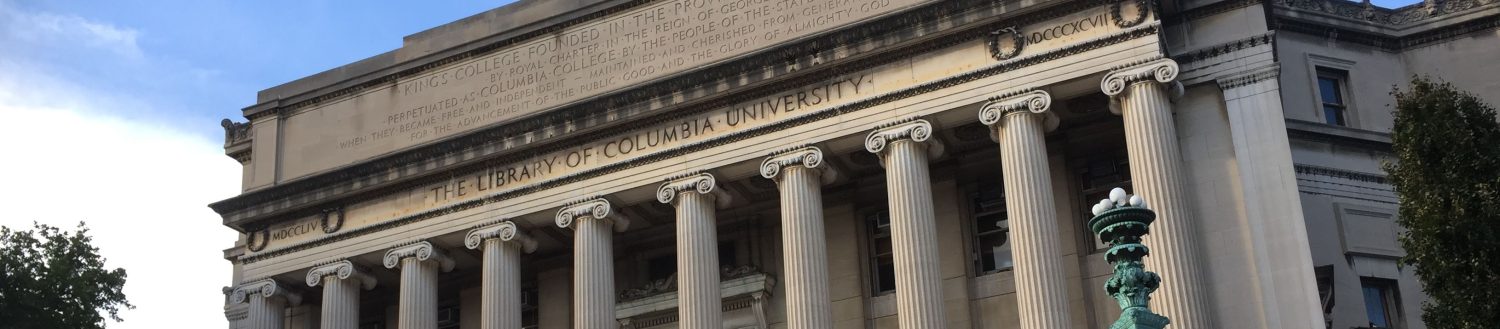
After completing her education in India, Desai ventured abroad to pursue her passion for writing. She studied creative writing at Bennington College in Vermont and later earned a Master of Fine Arts degree from Columbia University in New York City. These formative years honed her craft and provided her with the tools to embark on her literary journey.

Desai burst onto the literary scene with her debut novel, “Hullabaloo in the Guava Orchard,” published in 1998. Set in a small Indian town, the novel is a whimsical tale that blends humor and magical realism to explore themes of societal expectations and individual rebellion. It garnered critical acclaim and announced Desai as a formidable talent to watch.

However, it was her second novel, “The Inheritance of Loss,” published in 2006, that catapulted Desai to international acclaim and cemented her status as one of the most gifted writers of her generation. The novel, set in India and the United States, follows the intersecting lives of characters grappling with questions of identity, belonging, and the legacy of colonialism. It received widespread praise and won the Man Booker Prize, thrusting Desai into the literary spotlight.

Desai’s writing is characterized by its lyrical prose, vivid imagery, and keen observations of human nature. She has a remarkable ability to capture the complexities of the human experience with nuance and empathy, drawing readers into the worlds she creates with effortless grace.

In addition to her novels, Desai has penned essays and short stories that further showcase her talent for storytelling. Her works have been translated into numerous languages and have resonated with readers across cultures and borders.

Despite her international success, Desai remains deeply rooted in her Indian heritage, drawing inspiration from the rich tapestry of Indian life and culture. Her writing reflects a deep empathy for the marginalized and disenfranchised, shedding light on the struggles of those often overlooked by society.

As Kiran Desai continues to captivate readers with her evocative storytelling and profound insights, her literary legacy only continues to grow. With each new work, she invites readers to embark on a journey of self-discovery and exploration, reminding us of the power of literature to illuminate the human condition and bridge the divides that separate us. In a world hungry for stories that speak to the soul, Kiran Desai’s voice shines bright, offering solace, inspiration, and a deeper understanding of the world we inhabit.

Tessy Thomas: The Missile Woman of India

In the heart of India’s scientific community, one name shines brightly — Tessy Thomas. Often referred to as the “Missile Woman of India,” Tessy Thomas has become a symbol of determination, excellence, and groundbreaking achievement in the field of missile technology. Her journey from humble beginnings to becoming a prominent scientist and director of the Advanced Systems Laboratory of the Defence Research and Development Organisation (DRDO) is nothing short of inspiring.

Born and raised in Kerala, Tessy Thomas exhibited exceptional academic prowess from a young age. Her insatiable curiosity and passion for science paved the way for her to pursue a career in engineering. Graduating with a Bachelor’s degree in Engineering from Thrissur Engineering College, she then went on to earn a Master’s degree in Guided Missile from the Institute of Armament Technology, Pune. Little did she know that this academic journey would lay the foundation for her groundbreaking contributions to India’s defense capabilities.

Tessy Thomas’s career truly took off when she joined the Defence Research and Development Laboratory (DRDL), where she played a pivotal role in the development of missile technology. Her expertise in navigation and guidance systems quickly garnered attention, and she soon became an integral part of India’s missile program. However, it was her leadership and groundbreaking work on the Agni-V missile project that propelled her to national prominence.

As project director for the Agni-V, Tessy Thomas oversaw the development of India’s first Intercontinental Ballistic Missile (ICBM), capable of delivering nuclear warheads with precision accuracy over long distances. Her exceptional leadership and technical acumen were instrumental in the successful test-firing of the Agni-V, marking a significant milestone in India’s defense capabilities and establishing the country as a major player in the global arms race.

Despite facing numerous challenges and obstacles along the way, Tessy Thomas remained steadfast in her pursuit of excellence. Her unwavering dedication to her work, coupled with her visionary leadership, earned her the respect and admiration of her colleagues and peers alike. She shattered stereotypes and proved that women can excel in traditionally male-dominated fields, inspiring countless young girls to pursue careers in science, technology, engineering, and mathematics (STEM).

Today, Tessy Thomas continues to make strides in the field of missile technology as the director of the Advanced Systems Laboratory of the DRDO. Her contributions to India’s defense research and development have not only bolstered the country’s security but have also earned her numerous accolades and awards, including the prestigious Lal Bahadur Shastri National Award for Excellence in Public Administration, Academics, and Management.

Beyond her professional accomplishments, Tessy Thomas remains a beacon of hope and inspiration for millions of Indians. Her story serves as a testament to the power of perseverance, determination, and the belief that with hard work and dedication, anything is possible. As India continues to chart new frontiers in science and technology, Tessy Thomas stands as a shining example of what can be achieved when passion meets purpose and dreams are pursued with unwavering resolve.

Empowering Role Models: Inspirational Figures to Guide Your Career Journey

  • Elon Musk – CEO of Tesla and SpaceX, known for his innovations in the electric car industry and space exploration.
  • Oprah Winfrey – Media mogul, television host, producer, and philanthropist, recognized for her influential talk show and media empire.
  • Cristiano Ronaldo – Professional soccer player, widely regarded as one of the greatest footballers of all time, with a massive global fan base.
  • Angela Merkel – Former Chancellor of Germany, a prominent political figure known for her leadership in European politics.
  • Beyoncé – Singer, songwriter, actress, and businesswoman, renowned for her music, influence on pop culture, and advocacy for social issues.
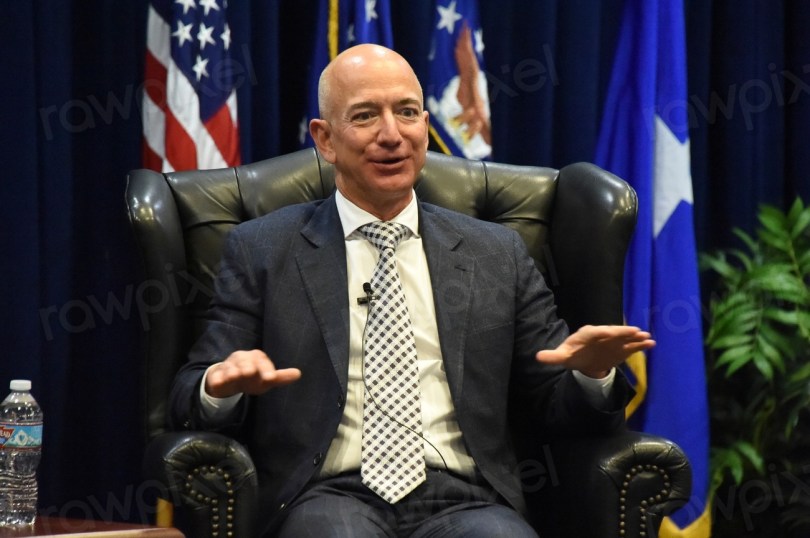
  • Jeff Bezos – Founder and former CEO of Amazon, one of the world’s wealthiest individuals and a key figure in the expansion of e-commerce.
  • Dr. Anthony Fauci – Director of the National Institute of Allergy and Infectious Diseases (NIAID), a leading immunologist and prominent figure in public health, particularly during the COVID-19 pandemic.
  • Jack Ma – Co-founder of Alibaba Group, a Chinese business magnate, investor, and philanthropist, known for his contributions to e-commerce and technology.
  • Serena Williams – Professional tennis player, considered one of the greatest athletes of all time, with numerous Grand Slam titles and a significant impact on the sport.
  • Malala Yousafzai – Pakistani activist for female education and the youngest Nobel Prize laureate, known for her advocacy for girls’ rights to education after surviving an assassination attempt by the Taliban.

I have a dream by Martin Luther King

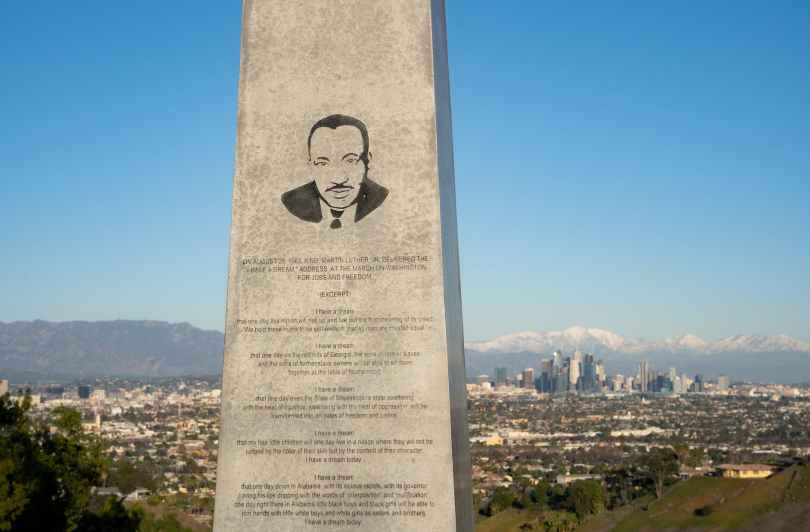
“I Have a Dream” is a famous speech delivered by Martin Luther King Jr. on August 28, 1963, during the March on Washington for Jobs and Freedom. King delivered the speech from the steps of the Lincoln Memorial in Washington, D.C. The speech is widely regarded as one of the most powerful and inspirational orations in American history.

In his speech, Martin Luther King Jr. passionately spoke about his dream of a future where people would be judged by their character and not by the color of their skin. He envisioned a nation where racial equality and justice would prevail. The famous lines “I have a dream” are repeated throughout the speech, emphasizing King’s vision for a more inclusive and harmonious society.

The speech is not only a pivotal moment in the American Civil Rights Movement but has also become a symbol of the struggle for equality and justice around the world. Martin Luther King Jr.’s dream of a more just and equal society continues to inspire people to this day.

  1. “I Have a Dream” Refrain: One of the most iconic aspects of the speech is the recurring refrain “I have a dream,” which King used to emphasize his vision for a future where racial equality and justice would prevail. The repetition of this phrase became a powerful and memorable part of the speech.
  2. Equality and Justice: King passionately spoke about his dream of a nation where individuals would not be judged by the color of their skin but by their character. He called for an end to racial discrimination and injustice, envisioning a society where everyone would have equal rights and opportunities.
  3. The “Table of Brotherhood”: King expressed his hope for a future where people of all races and backgrounds could come together in harmony. He used the metaphor of the “table of brotherhood,” where individuals from different walks of life could sit down together and work towards a shared goal of equality and justice.
  4. Quoting the Declaration of Independence: King invoked the principles of the American Declaration of Independence, emphasizing the unalienable rights of life, liberty, and the pursuit of happiness. By drawing on the nation’s founding documents, he called for these principles to be applied to all citizens, regardless of their race.
  5. The Dream of Freedom Ringing: King spoke of his dream that one day the “sons of former slaves and the sons of former slave owners” would be able to join hands and sing the words of the old Negro spiritual, “Free at last, free at last, thank God Almighty, we are free at last!” This powerful imagery conveyed his vision of a future where freedom and equality would prevail.

These highlights capture the essence of Martin Luther King Jr.’s vision for a more just and inclusive society as outlined in his “I Have a Dream” speech.

People Born on April 26th

notable people who were born on April 26th:

William Shakespear
  • William Shakespeare, English playwright and poet (1564-1616)
  • John James Audubon, American ornithologist and artist (1785-1851)
  • Ludwig Wittgenstein, Austrian-British philosopher (1889-1951)
  • Harper Lee, American novelist (1926-2016)
  • Carol Burnett, American actress and comedian (born 1933)
  • Jet Li, Chinese actor and martial artist (born 1963)
  • Channing Tatum, American actor and dancer (born 1980)
  • Melania Trump, former First Lady of the United States (born 1970)
  • Kevin James, American actor and comedian (born 1965)
  • Marcus Aurelius, Roman emperor and philosopher (121-180 AD)

Hanako Muraoka

I have talked about Hanako and Anne, the Japanese serial and Anne of Green Gables in my earlier post. Here is a biography of Hanako the Japanese to English Translator on whom the Japanese Drama Hanako and Anne was pictured and transmitted in NHK

https://www.lib.city.minato.tokyo.jp/yukari/e/man-detail.cgi?id=95

Hanako Muraoka

  • Biography
1893-1968. Translator and scholar of children’s literature. While studying waka poems as a student of Nobutsuna Sasaki and Japanese classics at Toyo EIwa Girl’s School, she began writing children’s stories with the encouragement of the poet and translator of Irish literature, Hiroko Katayama. After graduating from school and working as an English teacher and in a publishing house, she introduced much literature for all ages, such as The Christmas Carol, Anne of Green Gables, and A Dog of Flanders, after translating Mark Twain’s The Prince and the Pauper in 1927.

  • Association with Minato City
Childhood at Toyo Eiwa Girl’s School, which gave birth to Anne of Green Gables

Muraoka studied at the Toyo Eiwa Girl’s School, established by the female preacher of the Canadian Methodist Church (now United Church), Martha Cartmell, in Azabu Toriizaka. In her essay book Ikiru to iu koto, she presents her sensitive childhood, which is reminiscent of Anne of Green Gables in how she describes the atmospheric sight of the gas lamps when they were lit at dusk, and how she shared the large sweet she bought at a confectionery in Azabu Juban with her roommates.

Muraoka is known as a scholar of children’s literature by her translation of Anne of Green Gables, but she was in charge of the radio show Kodomo no Shimbun (Children’s Newspaper) on Tokyo Broadcasting Corporation (now NHK) in Mt. Atago, and she was also affectionately known as “Auntie Muraoka.” The show lasted from 1932 until the beginning of World War II in 1941.

References
Nihon Jinmei Daijiten (Japanese Biographical Dictionary) (Kodansha)
Ikiru to iu koto (To Live) (Hanako Muraoka / Asunaro Shobo)

  • Literary Works
Helen Keller: 20 Seiki no Kiseki (Helen Keller: The 20th Century Miracle) (Kaiseisha)
Anne of Green Gables (Lucy Maud Montgomery / Translated by Hanako Muraoka / Shincho-bunko)