Act Before It’s Too Late: Supporting Our Loved Ones in Times of Need
In many families, it’s common to hear words of reassurance when someone is going through a rough patch in their marriage. “It’s okay, it happens in all marriages,” they say. And while it’s true that no marriage is without its challenges, there comes a point when the signs of distress should no longer be brushed aside—it becomes a red flag that demands attention.
Imagine a daughter who, over the course of more than ten years, grows increasingly distant. She stops talking with family and friends, her laughter fades, and her once vibrant personality seems to dim. Those around her might notice, but often, they choose to ignore the signs, convincing themselves that things will get better on their own. They might tell themselves, “She’s just going through a phase,” or “It’s not our place to interfere.”
But what if, one day, that daughter takes an extreme step? What if she feels so lost, so unheard, and so unsupported that she decides to end her life? Suddenly, the same people who dismissed her pain are left in shock, asking themselves, “How did we not see this coming? We never thought she would do this.”
The truth is, many people do see the signs, but they choose not to act on them. Perhaps they believe it’s not their business, or they fear making things worse by intervening. But in situations like this, doing nothing is the worst thing you can do. When someone is struggling, especially over an extended period, they need more than just comforting words—they need real support, understanding, and sometimes, direct intervention.
The tragic story of Jiah Khan, a promising young actress in India, serves as a painful reminder of the consequences of prolonged unhappiness and lack of support. Jiah struggled with her mental health for years, feeling isolated and unsupported in her personal life. Despite being surrounded by people who cared for her, her cries for help went unheard or were dismissed. Sadly, Jiah took her own life in 2013, leaving behind a devastated family and countless friends who were left wondering what more they could have done.
As the renowned psychologist Carl Rogers once said, “The curious paradox is that when I accept myself just as I am, then I can change.” This acceptance doesn’t only apply to individuals struggling with their own emotions; it’s also a call for us to accept the reality of our loved ones’ distress and to act compassionately to help them through it. Ignoring someone’s prolonged unhappiness isn’t just a failure to act—it’s a failure to accept that something is deeply wrong.
We need to stop assuming that things will get better on their own. We need to stop waiting until it’s too late to show we care. When a loved one is in distress, especially if that distress has gone on for years, it’s crucial to step in, to ask questions, and to offer help. This doesn’t mean meddling or making judgments; it means being there, listening, and providing the support they need.
Mental health is a delicate issue, and prolonged unhappiness can lead to severe consequences if left unaddressed. It’s vital to create an environment where your loved ones feel safe expressing their feelings without fear of being dismissed or judged. This might mean encouraging them to seek professional help, or simply being there to listen when they need to talk.
We must remember that ignoring someone’s prolonged unhappiness is not a form of kindness; it’s a form of neglect. When someone we care about is suffering, we need to act, not just sympathize. It’s far better to be over-cautious and offer help than to stand by and do nothing until it’s too late.
In the end, the tears and the regret of those left behind won’t bring back the person they’ve lost. But what can make a difference is recognizing the signs early, offering support, and showing that you care when it truly matters. Let’s strive to be the kind of friends and family members who don’t just say, “It’s okay, it happens in all marriages,” but instead say, “I’m here for you, let’s talk about what’s really going on.”
By acting when it matters, we can help prevent tragedies and show our loved ones that they are never truly alone. Don’t wait until they’re gone to show how much you care—act now, while you still can.
Being a parent is a huge responsibility, but it’s possible to be both a guiding authority and a supportive friend. The key lies in balancing discipline with connection. Here’s how a mother can achieve this, and how it differs from a traditional parenting approach.
The Parenting Approach
Traditional parenting often focuses on authority. This means setting rules, enforcing discipline, and guiding behavior. For example, a mother insists on a strict bedtime to make sure her child gets enough rest. She might also say, “You need to finish your homework before you can watch TV.”
While these actions are essential for a child’s development, they can sometimes create distance. The child might view the mother primarily as an enforcer of rules rather than someone who understands their feelings and needs.
The Friend Approach
Being a friend as a mother involves more than just enjoying fun activities together. It’s about creating an open, trusting relationship where the child feels valued and understood. Here’s how this can be done effectively:
Active Listening: Instead of just directing, engage in conversations where you actively listen to your child’s thoughts and feelings. For instance, if your child is worried about a school project, listen to their concerns before offering advice or solutions. This shows empathy and respect for their feelings.
Shared Interests: Find common interests and spend time enjoying them together. If both of you love baking, set aside time to cook together. This builds a bond and makes the child feel special and understood.
Open Communication: Encourage your child to share their thoughts and feelings without fear of judgment. If your child comes to you with a problem, avoid immediately jumping to solutions or reprimands. Instead, offer support and let them express themselves fully.
Examples
Imagine a child comes home upset because they didn’t make the soccer team. A traditional approach might involve comforting them but also stressing the importance of hard work and perseverance. A friend-like approach would involve more than just comfort; it would include empathizing with their disappointment, discussing their feelings openly, and perhaps even exploring new interests together.
Or consider a situation where a mother and her child disagree about curfew times. Rather than just imposing a rule, a friend-like approach might involve having a calm discussion where the mother explains her concerns and listens to her child’s perspective. This collaborative approach can lead to mutual understanding and respect.
Conclusion
Being a mother who balances authority with friendship doesn’t mean abandoning rules or responsibilities. Instead, it’s about fostering a supportive relationship where the child feels heard and valued. This balance can lead to a stronger, more trusting relationship, making both parenting and friendship rewarding.
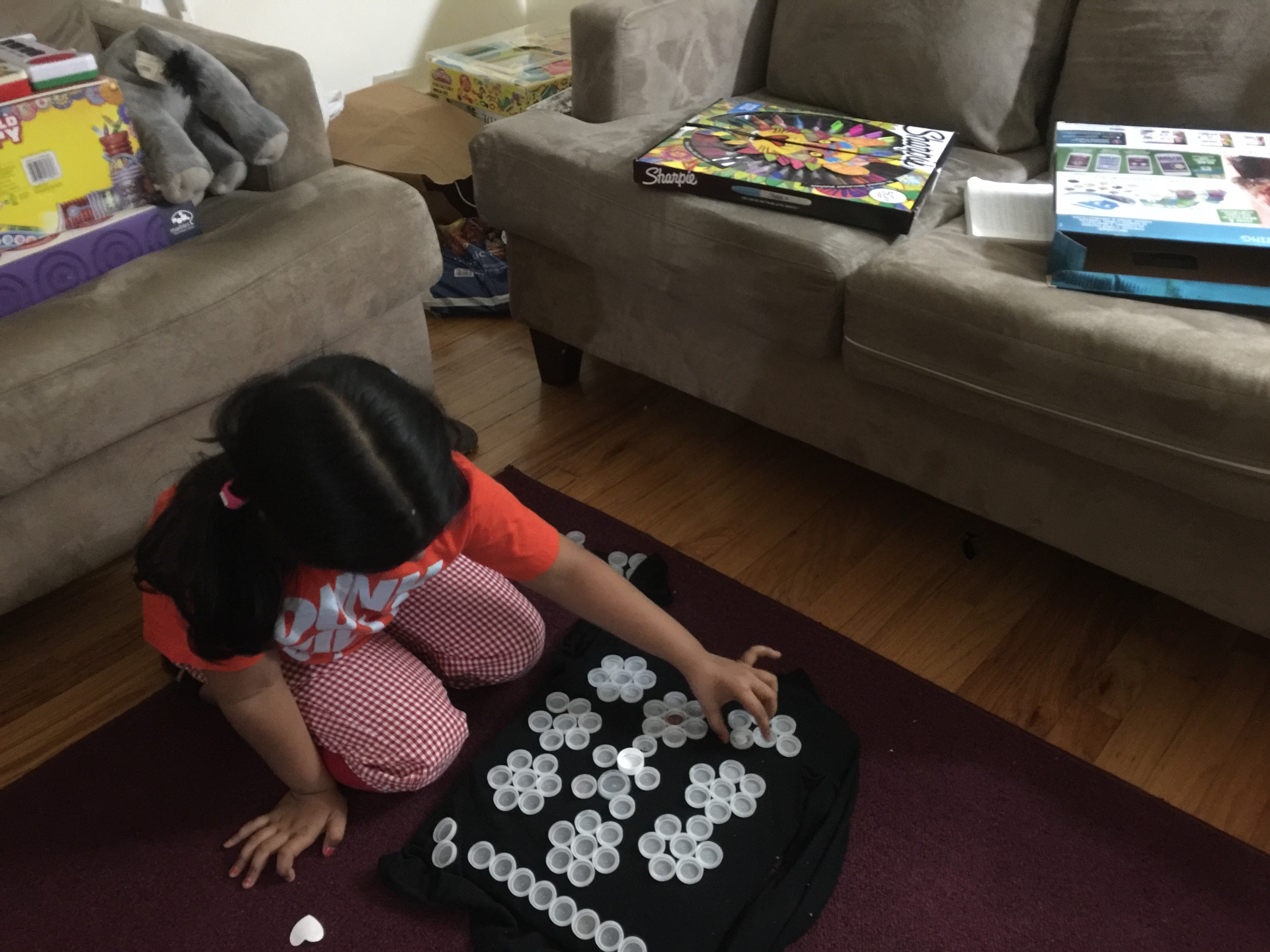
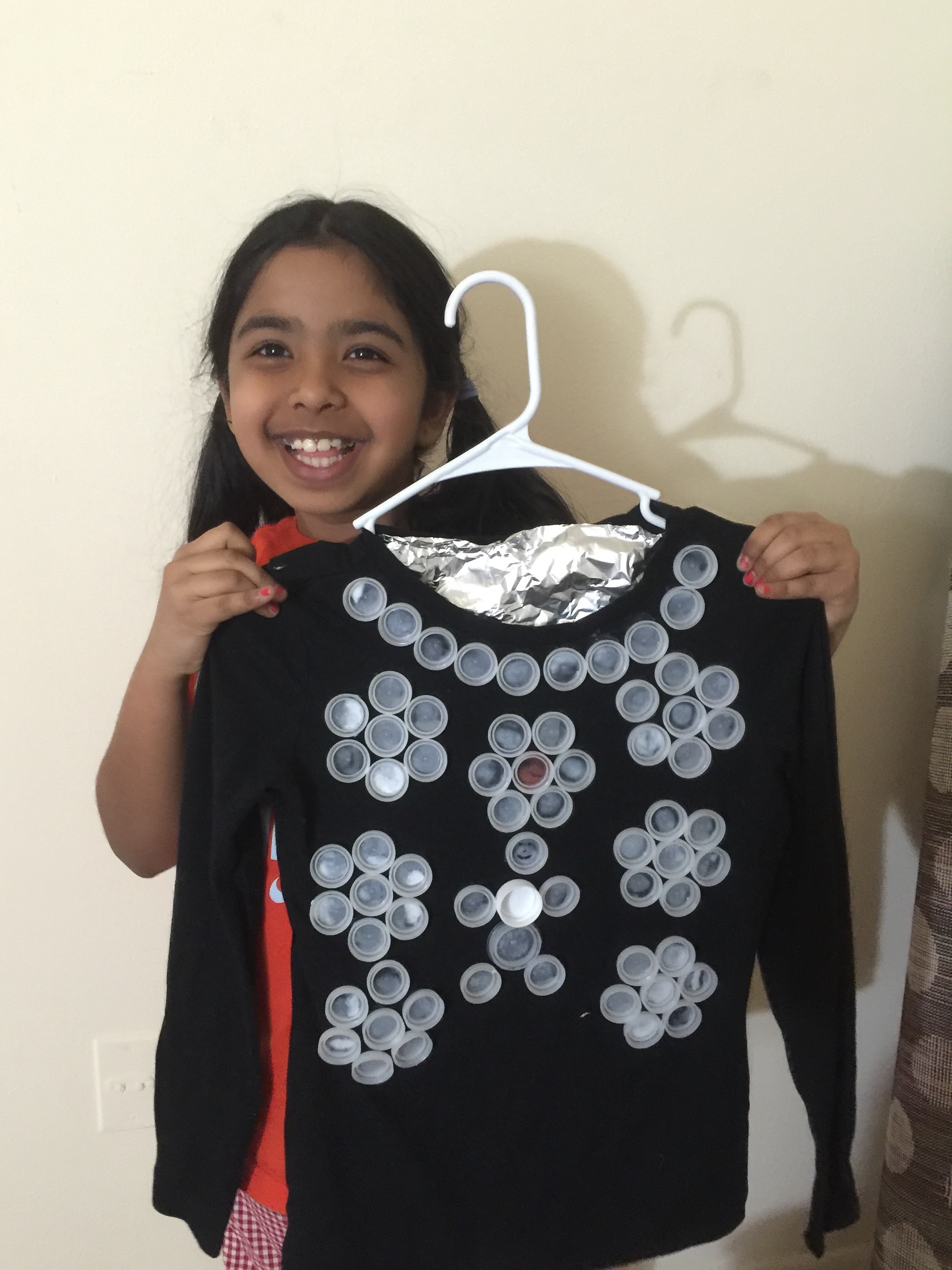
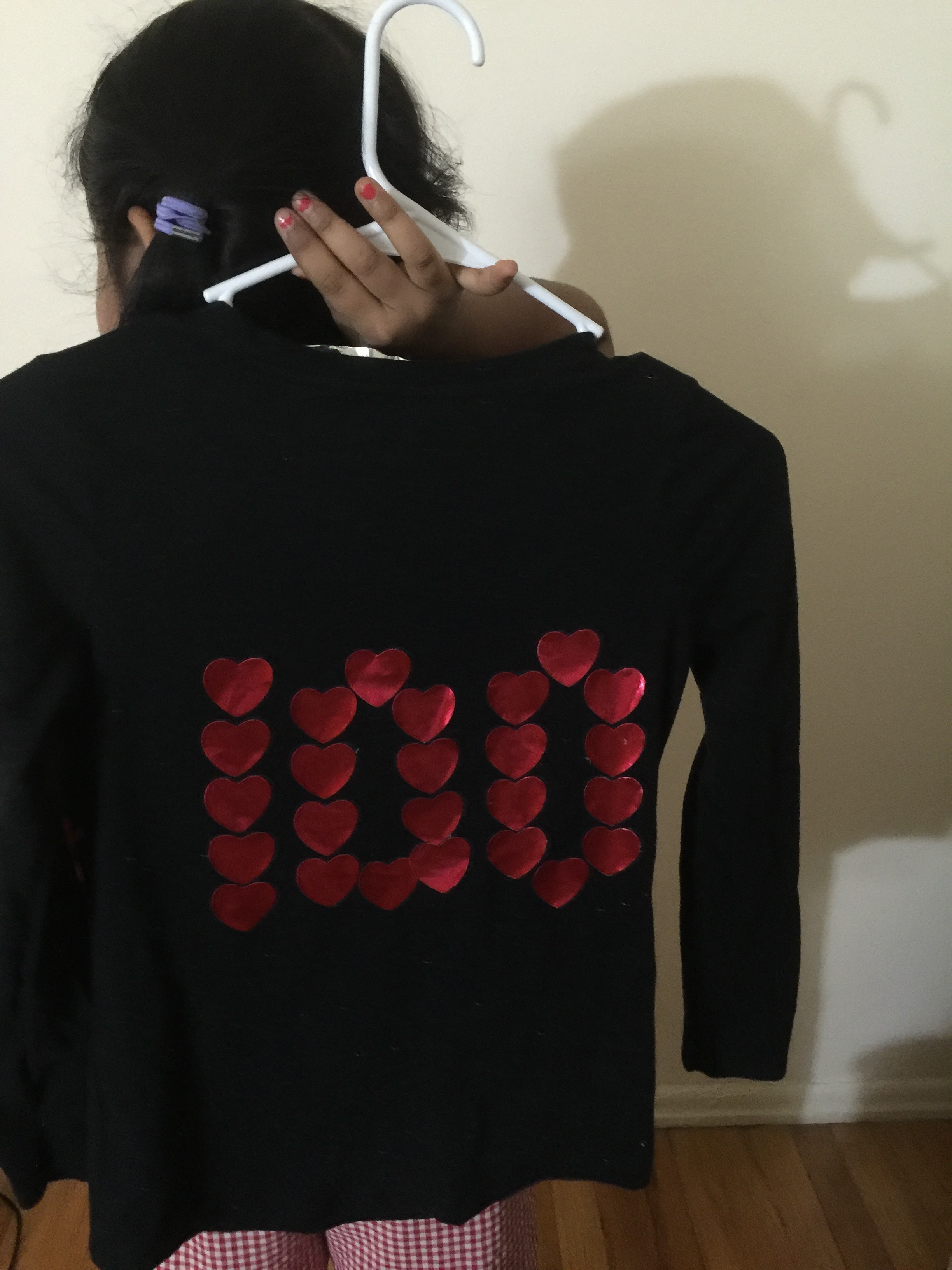
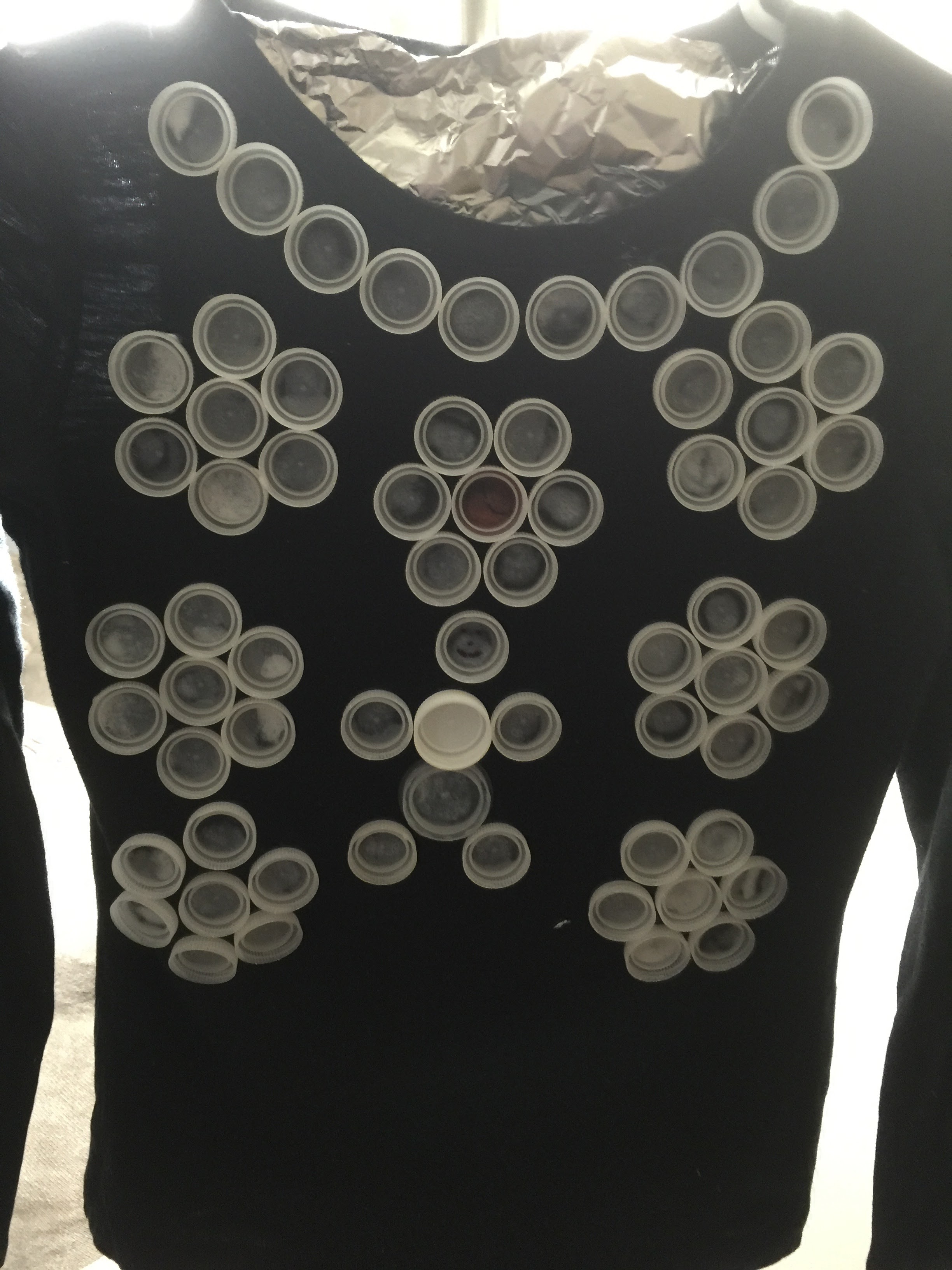
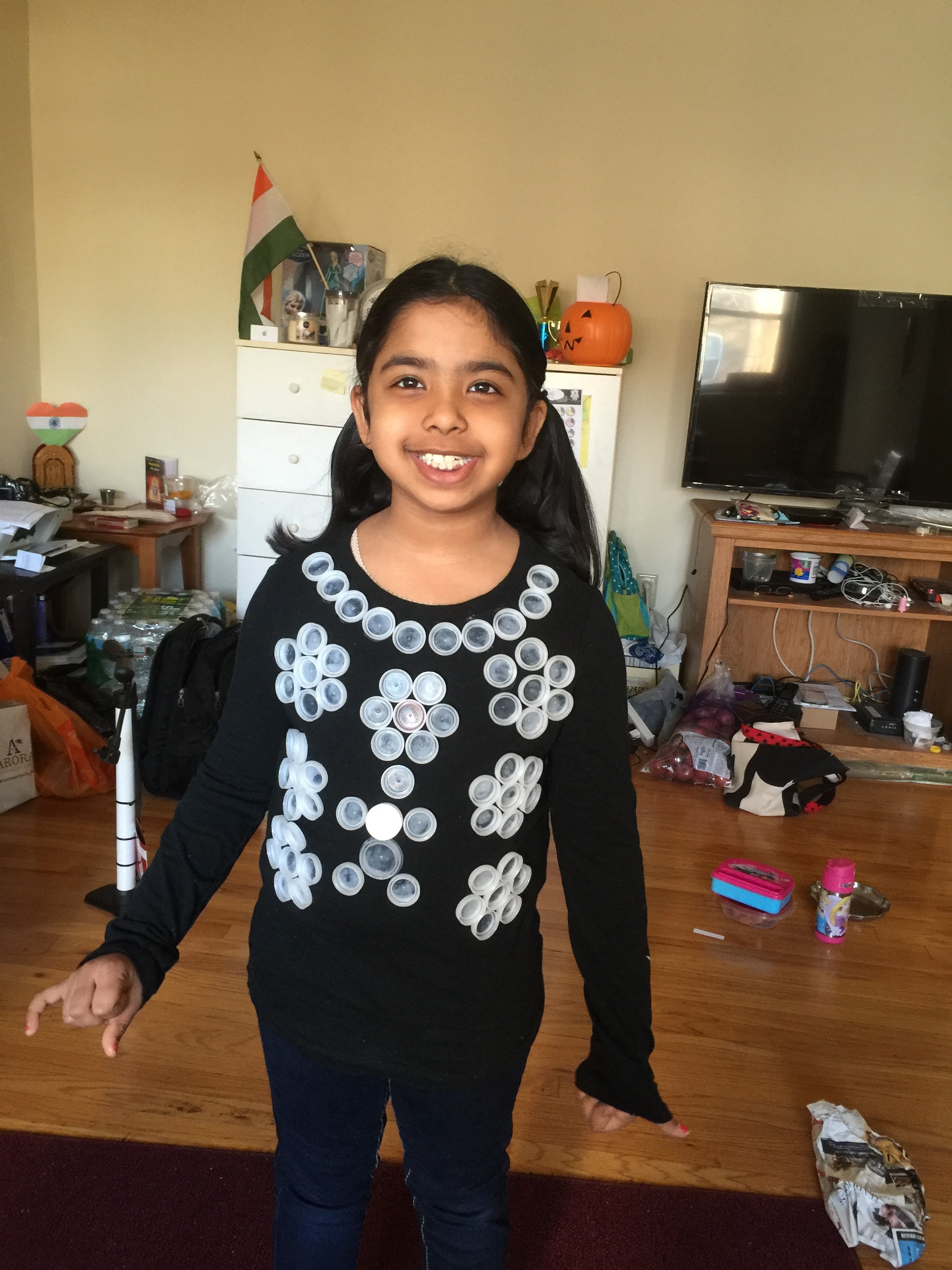
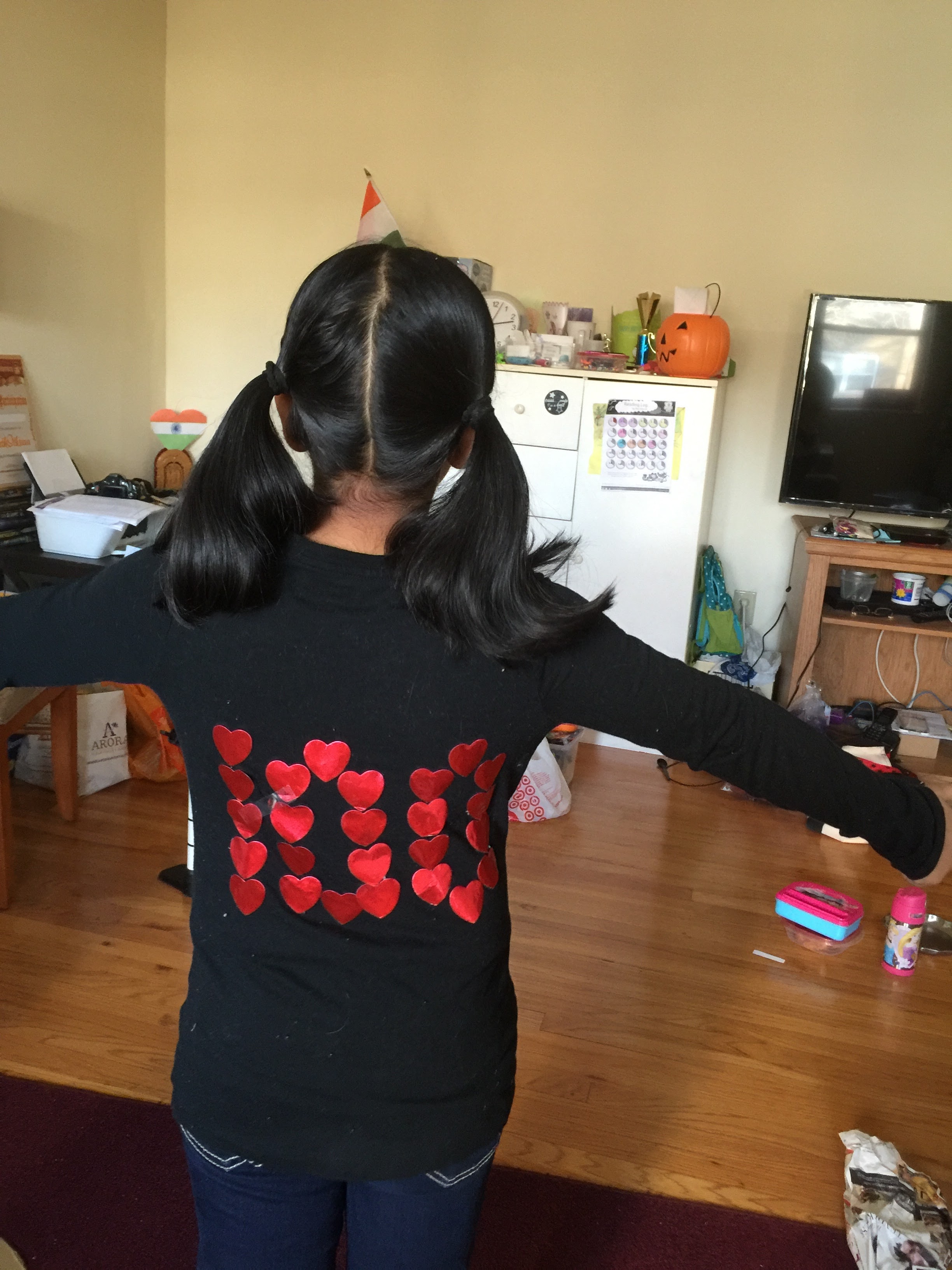
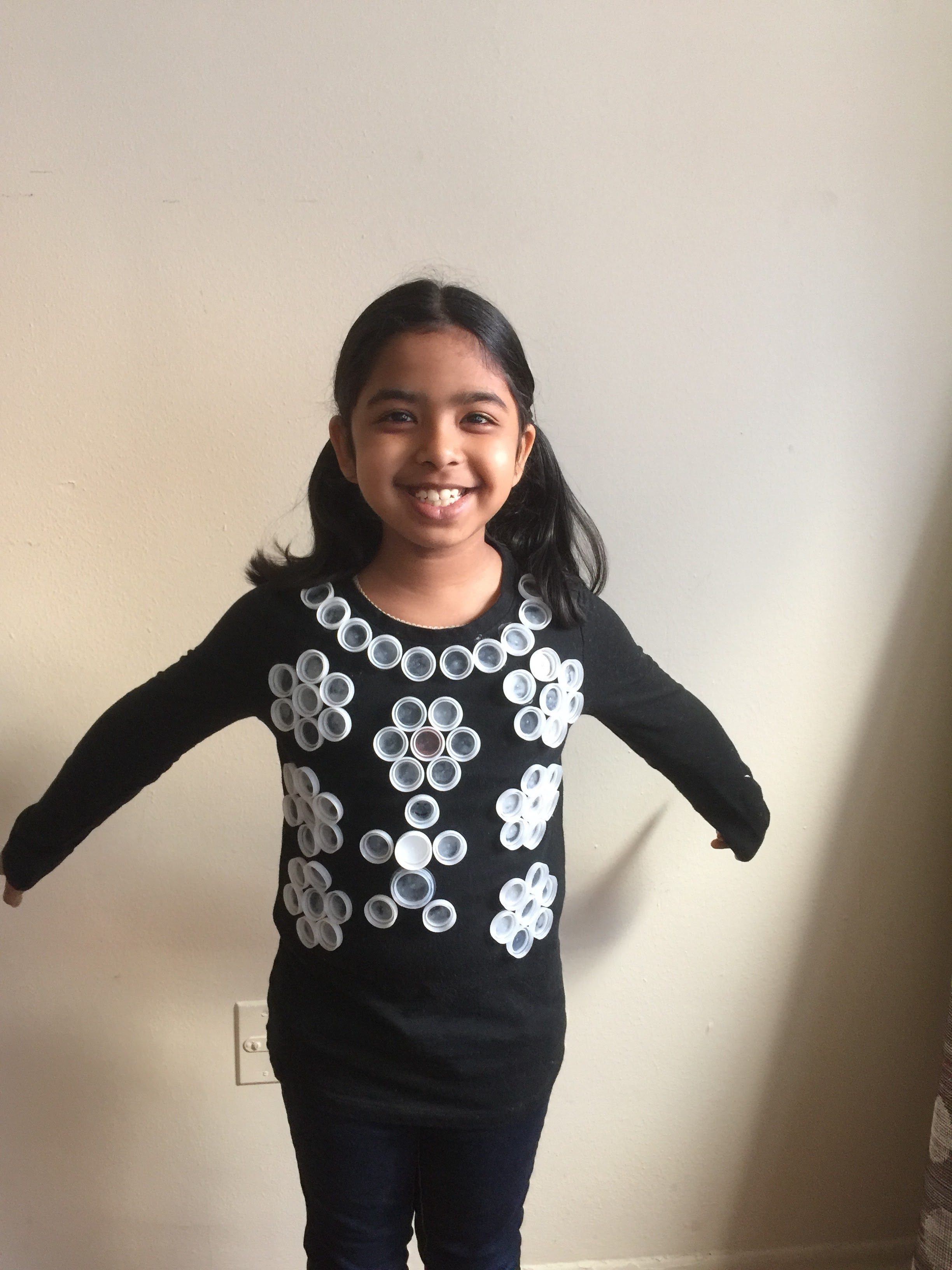
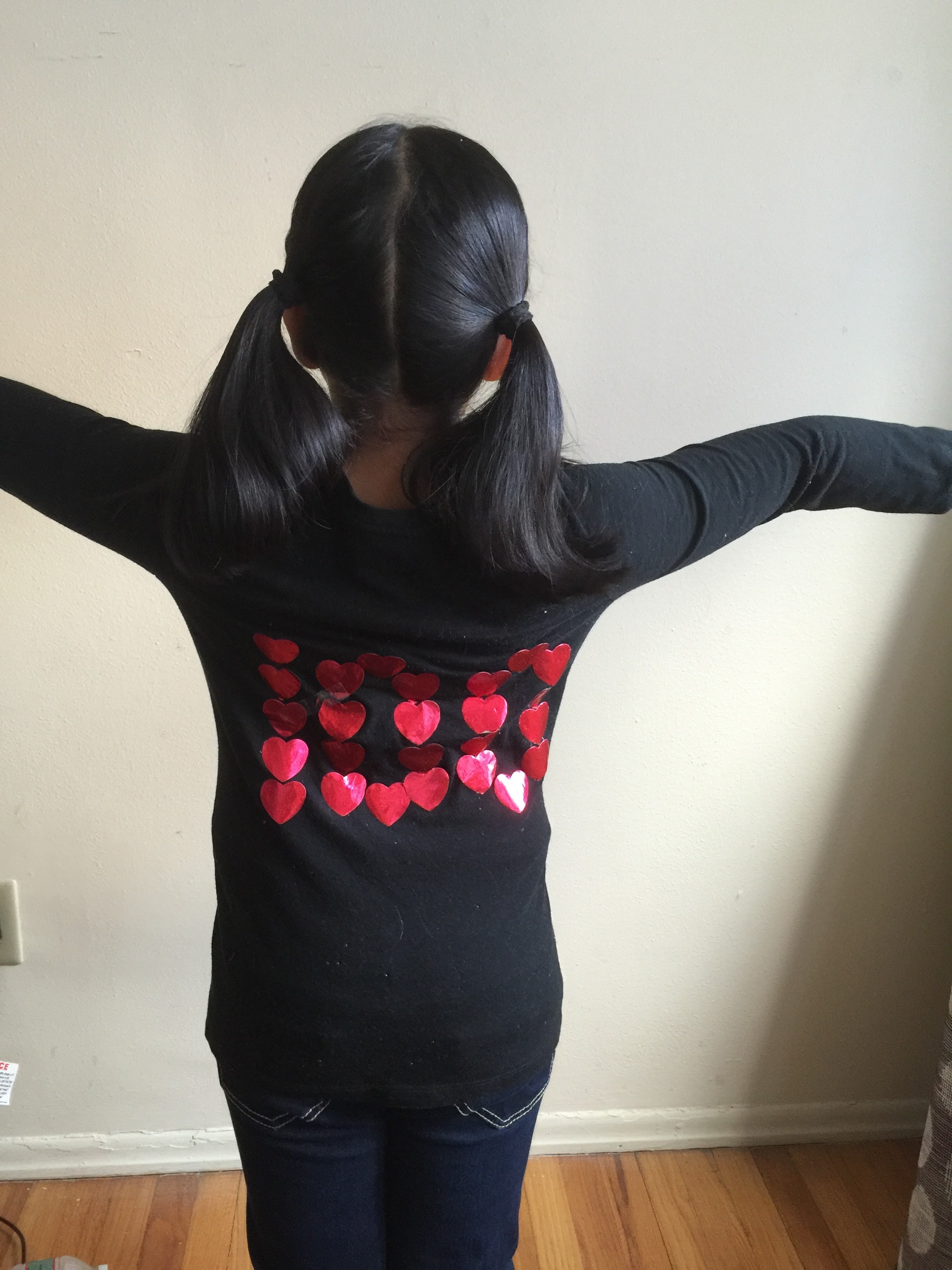
In American schools, the milestone of reaching 100 days of school in an academic year is often celebrated with various activities and projects. Recently, our daughter’s school in New Jersey organized a special event to commemorate this achievement. As part of the celebration, the students were encouraged to create something that symbolized their 100 days of learning. Our daughter, with her artistic flair and concern for the environment, crafted a unique artwork using 100 plastic bottle caps. Additionally, she incorporated heart-shaped stickers to display her appreciation for the wonderful journey of education. This article delves into the significance of her creation, highlighting the themes of recycling, reusing, and love for learning.
Embracing Environmental Awareness: Our daughter’s decision to utilize 100 plastic bottle caps in her artwork was a thoughtful gesture that promotes the principles of environmental conservation. By repurposing these bottle caps, she highlighted the importance of the three R’s: Reduce, Reuse, and Recycle. Plastic pollution poses a significant threat to our ecosystem, and reusing materials can play a crucial role in minimizing this impact. Through her artwork, our daughter aimed to raise awareness and inspire others to adopt sustainable practices in their daily lives.
Keeping Our Environment Clean: One of the underlying messages conveyed by our daughter’s art is the significance of reusing materials to keep our surroundings clean. While we may strive to eliminate plastic from our lives completely, it is not always practical or feasible. Plastic often finds its way into our homes, and rather than discarding it immediately, reusing can be an effective alternative. Our daughter’s use of 100 bottle caps showcased how simple acts of reusing can contribute to a cleaner environment.
Expressing Love for Learning: Alongside her creative display of environmental awareness, our daughter expressed her affection for the 100 days of school through heart-shaped stickers that formed the number “100.” This symbolic representation served as a testament to her enjoyment and appreciation of the educational journey she embarked upon. It is a reminder of the many opportunities for growth, knowledge, and personal development that each day of school brings. The heart-shaped stickers also served as a heartfelt thank you to her teachers, classmates, and the entire school community for making her experience special and memorable.
Conclusion: The celebration of 100 days of school holds great significance in the American education system. Our daughter’s artwork, composed of 100 plastic bottle caps and heart-shaped stickers, beautifully encapsulates the essence of this milestone. By promoting the principles of recycling and reusing, she exemplifies the importance of caring for our environment. Simultaneously, her expression of love for learning reminds us of the invaluable impact of education. Through her creation, she has not only left a lasting impression but also inspired others to consider their role in preserving our planet and cherishing the joys of learning.
Do you find it is so difficult to choose the perfect potty training seat for your little ones online? You are not alone. Its not easy to decide which one to buy as we cannot return the items nor the sellers are ready to replace it with a different model. I agree that we can not expect them to do it considering no one would like to buy the used product. So after careful research and going through all reviews and photos I found this one to be the right one for my kid to use it in our bathroom.
Look at the image here.
Please make sure you are selecting the right one for your bathroom. There are different seats available for different type of toilets or commode. You can check all the designs by clicking here.
I bought this Ratna’s Mini Sand 200 grams for Rs 130/- from amazon India. I plan on keeping ten of these as this can be gifted to any kids below the age of fifteen. Its definitely worth gifting for any one as the free flowing smooth hand makes everyone love it. I feel its kind of stress buster for adults and fun toy for kids. Can be used as return gifts also for kids parties. Most of the time we keep getting invitations for birthday parties in the community on the same day. So if I can keep collection of this Mini Sand , kids can just gift this instead of giving cash or chocolates.
Today we visited the Liberty Science center which is a Science Museum. At the end of the day I was so happy we took the membership because we could’t cover exhibits in all floors in one day.
Not just the exhibits, the shows they have are so interesting and educative. I really fell in love with the Nikola Tesla Lightning show.
My husband and daughter enjoyed the 5 minute crawling in Touch Tunnel activity.
Subzero: The states of matter a science experiment show was also very engaging to kids and adults as well.
I kind of felt we should have visited this Museum much before as its just 30 minutes drive from home. Now that we know it has so much to offer to kids of all ages we are definitely going back to explore more.
The membership charges per family is $175. I should say the money is worth it if you have kids who are eager to learn and want to go back to the museum after first visit. I am sure because of the kind of activities they have any kid would love to go back there.
But I should add the laser show was really boring. They can make it more interesting appealing to all visitors. It was fun for first ten minutes are so then it got boring. If they make movie about laser show and show it and then do the laser show it can be interesting. They did try to explain a little in the beginning of the show but that was not that interesting either.
But there is so much to explore. There is 32 items on the Daily schedule list, and we could hardly cover 5-6 of them today!
Visit their website for more details, I will be back with more about the museum when I visit again.
You may be a parent, an employee or an employer. It is very much important that we are aware how to tackle situations like Child Abuse, if it happens around us.
Child Abuse
Here are some guidelines by NIMHANS Bangalore.
National Institute of Mental Health And Neuro-Sciences has sent an advisory to schools, parents, police and media to enable them to deal with a case of child sex abuse, in the right way.
Many a times, schools and parents do not know how to deal with Child Sexual Abuse (CSA). The result is delayed complaints / no complaints, destruction of concrete evidence unknowingly, not caring for the identity and dignity of the child enough, insensitive media coverage etc., which come in the way of delivering justice and to the traumatised child and family and getting their life back on track.
National Institute of Mental Health And Neuro-Sciences (NIMHANS) has prepared an advisory which has many important points to be taken care of by everyone.
Need for a child-centric response to CSA
The continual reporting of child sexual abuse (CSA) by media, in the context of many recent events raises the challenge of how to tackle the national menace of this ‘silent violent epidemic’. A critical aspect of child protection, also a child public health issue, CSA warrants systemic approaches that are uncompromisingly child-centric.
Part of this has to do with preventive programs in schools and other childcare agencies. Focus on prevention has the potential to reduce sexual victimization and even sexual offences in the general population. However, when an event occurs, it is addressed by systems of criminal justice, police, schools, families, and healthcare, which generate a flurry of incoherent activity, albeit in good faith, thereby compromising the child’s best interests.
The major emphasis of these activities are directed towards the child ‘victim’ through enquiry, interrogation and intrusive detailing of the event to verify it and then bring the perpetrator to book. The balance between the need for justice and empowered rehabilitation of the child becomes precarious. There is thus an urgent need to develop a protocol-based systemic response ensuring that the child’s agenda i.e. healing and recovery, is at the core of it.
Over the past year, the Department of Child & Adolescent Psychiatry at NIMHANS has received several children with CSA issues. When they come for help, they are extremely overwhelmed after visits to the Child Welfare Committee, police station, the hospital; by then, the child has been subjected to questioning on multiple occasions and therefore to re-traumatization.
There are many areas which have to be systematically addressed namely, the child’s reaction to the abuse, ensuring the child’s immediate safety, medical and mental health needs of the child, the concerns of the family, including social stigma. On the other hand, there is a sense of urgency to in legal procedures. Towards this, there is an understandable emphasis by the police on evidence and enquiry processes and related pressure from media and civil society, raising questions on the timely nature and effectiveness of these processes.
What a child-centric response entails:
Based on our experience, NIMHANS believes that planned, protocol-based, comprehensive and sensitive care should be provided at all stages of intervention to victimized children. The primary goal is to create a system of investigation which is child friendly and in accordance with principles of child rights and protection.
Where can families go for help?
Protection of Children from Sexual Offences Act 2013 (POCSO) mandates that the child be provided with emergency medical services (EMS) within 24 hours of filing the FIR. EMS are provided by state Registered Medical Practitioners (RMP) in government hospitals (Vani Vilas and Indira Gandhi Institute of Child health) and only in absence of such an agency should the child be referred to other sectors. Where the Special Juvenile Police Units (SJPU) work in collaboration with government hospitals, the detailed enquiry can be completed in one sitting rather than the child being interviewed multiple times.
Once the medical examination is done and there is medical evidence, what the Dept. of Child & Adolescent Psychiatry, NIMHANS can offer is combined therapeutic and forensic interviewing to assist both the healing of the child and the necessary justice processes. This interviewing is done based on existing international protocols which are child-sensitive and can stand the scrutiny of court procedures.
In children with symptoms, we work through trauma by encouraging expression of feelings regarding the abuse, validating experiences, and teaching personal safety. In very young children, this is done through art and play work. We offer social interventions in order to help the family cope with the consequences of abuse, also facilitating liaison with the Child Welfare Committee (CWC), Centre for Child and Law (CCL) and legal aid services as necessary.
It is important for parents to not ignore or undermine a child’s statements and innocuous remarks. When in doubt it would be prudent to corroborate the information from various sources. An open, supportive stance, assuming a position that child is right would be helpful to facilitate further disclosure on abuse. It would be judicious to err on the side of caution especially in face of long term consequences of CSA. It is also important not to blame the child. The support given by the parent helps in facilitating better healing of the victimized child.
School’s response
Preventive workshops, personal safety workshop, life skills education can help as preventive strategies. However, when an incident takes place the system should have a clear protocol for response. This protocol should entail the following:
Whether the CSA incident occurs within or outside the school premises, by school staff or others, especially if a child reports to anyone in the school, the school’s position must be one of acknowledgement and involvement.
Every school must have a pre-set response plan which should include:
An identified person (known to the children) who can respond in a sensitive and gentle manner to alleged instances of abuse reported by the child.
A next-level reporting authority (such as the principal) who will inform the parents.
The school should guide and make available to parents the first level medical and other facilities to seek assistance (described above).
Unless the school has a trained counselor or CSA expert, it should not attempt to interrogate the child. This needs to be done by trained experts, preferably in child mental health agencies such as NIMHANS or accredited comprehensive child response units.
The school needs to take a proactive stance with the concerned parents and other parents. They may also need to be alert to the impact on other children and get appropriate experts to do de-briefing as necessary.
Furthermore, preparation needs to be made to receive the child back to the school in natural and non-stigmatizing ways so that the child re-integrates comfortably.
Police involvement
In the immediate aftermath of trauma, when there is non-availability of a trained person within the police forces for sensitive interviewing of the child, they need to refer to an expert in agencies such as NIMHANS, where forensic interview protocols are followed in the context of healing interventions.
Police need to be cognizant that interview processes involving children cannot be hastened as it can exacerbate the trauma and be detrimental to the child’s well-being. For instance, taking a child back to the scene of crime and asking him/her to explain/demonstrate what happened, causes the child to relive the trauma and could interfere with recovery; also, such pressure on the child is less likely to elicit accurate information.
They need to understand that there are robust acceptable methods of gathering forensic evidence to meet the immediate legal ends.
Media – good practice
Media should be proactive in responding to crisis in ways that instill hope and confidence in the public versus fueling cynicism as the latter may only serve to increase the child’s trauma, and the family’s fears of social stigma.
The media must protect the identity and privacy of the child. This includes allowing and enabling the family to pursue due medical and legal processes without heightening their trauma by repeated and sometimes intrusive queries.
It would be helpful for the media, at the time of query/ reporting, to assist the family with information about where medical, mental health and legal, paralegal services is available.
Reporting on CSA could emphasize systems and treatments available for assistance, and strongly present the child’s entitlement to healing. This can be done by providing an on-going feedback about recovery and rehabilitation of the child.








 Lets Talk - bindumadhavi.online