How Sri Sri Ravi Shankar Helped Bring Peace to Colombia’s 52-Year Civil War

When we think of global peace efforts, our minds often turn to politicians or diplomats. But sometimes, a spiritual leader steps in and does what others can’t. One such figure is Sri Sri Ravi Shankar, whose work in Colombia is a powerful example of how compassion, dialogue, and non-violence can bring about real change—even in a country torn apart by over five decades of war.

For 52 years, Colombia was trapped in a brutal civil conflict between the Colombian government and the Revolutionary Armed Forces of Colombia, better known as FARC. This war led to countless deaths, displacements, and deep societal wounds. While many international organizations and leaders tried to help, the road to peace was long and uncertain.

That’s when Sri Sri Ravi Shankar entered the picture—not as a politician, but as a humanitarian and spiritual leader committed to peace. His approach was simple but powerful: promoting inner peace and mutual understanding as a foundation for outer peace.

He didn’t just make public statements or write letters. He went to Colombia and met with key figures on both sides of the conflict, including former rebels and political leaders. He emphasized the importance of forgiveness, compassion, and reconciliation—values that are often missing in political negotiations but are absolutely essential for healing.

What really struck me is that his involvement wasn’t symbolic. His presence and message made a real impact. He helped shift mindsets and encouraged both sides to move past decades of hostility and mistrust. His credibility and track record of resolving conflicts in other parts of the world gave him a unique authority.

So respected was his role in the process that Sri Sri was invited to attend the formal signing of the peace agreement in 2016. That moment marked a historic milestone for Colombia—and his presence was a testament to the power of non-violent action.

This whole story reminds me that peace doesn’t always have to come through power or force. Sometimes, it takes someone with a deep sense of humanity, someone who reminds people of their shared values and aspirations. Sri Sri Ravi Shankar did just that, and Colombia is better for it.

His efforts in Colombia are a shining example of how one person, armed with compassion and conviction, can help heal a nation
Indians Joining Foreign Armies: A Rising Concern and Its Implications

Introduction

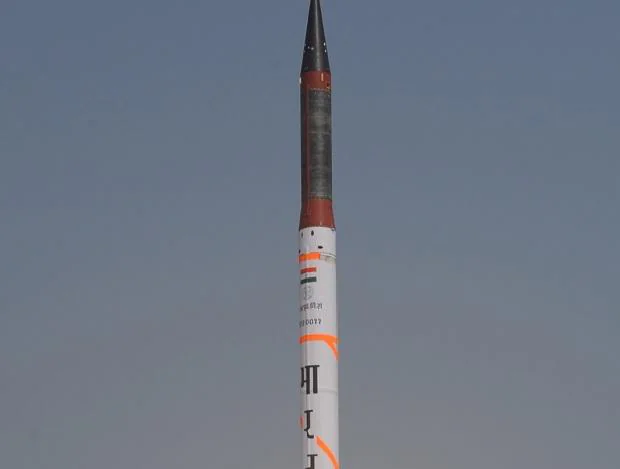
The recent revelation by India’s Ministry of External Affairs (MEA) that at least 126 Indian citizens have joined the Russian army to participate in the ongoing Russia-Ukraine war has sparked significant debate. This phenomenon raises serious legal, ethical, and diplomatic questions, especially given India’s neutral stance on the conflict. This article explores the motivations behind such decisions, the legal ramifications, and the broader geopolitical consequences.


Motivations Behind Joining Foreign Armies

  1. Economic Incentives:
    • Many individuals who enlist in foreign militaries are driven by economic hardship and the promise of financial stability. Foreign armies, particularly during active conflicts, often offer attractive compensation packages to volunteers.
  2. Ideological Alignment:
    • Some individuals may feel a deep personal connection or ideological alignment with one side in the conflict. For instance, they may perceive the conflict as a moral or cultural cause worth supporting.
  3. Recruitment Networks:
    • Reports suggest that online platforms and social media are increasingly being used to recruit foreign nationals for military service. These channels often target vulnerable individuals through propaganda and false promises.
  4. Adventure and Prestige:
    • For some, joining a foreign military represents an opportunity for adventure, recognition, or prestige that may not be achievable in their home country.

Legal Implications

  1. Violation of the Foreign Enlistment Act (1870):
    • Indian law prohibits citizens from serving in foreign militaries without government authorization. Violators may face prosecution, fines, and imprisonment upon returning to India.
  2. International Legal Concerns:
    • Participation in conflicts could place individuals at risk of violating international humanitarian laws, particularly if they become involved in war crimes or activities targeting civilians.
  3. Citizenship Risks:
    • Serving in a foreign military might jeopardize the citizenship status of individuals, depending on the laws of their home country and the host nation.

Diplomatic and Geopolitical Consequences

  1. India’s Neutrality Compromised:
    • India has maintained a neutral stance on the Russia-Ukraine war, advocating for diplomacy and dialogue. The involvement of Indian nationals in the conflict could undermine this neutrality and strain relations with Ukraine and its allies.
  2. Strained Relations with Western Nations:
    • Western countries and organizations like NATO may perceive the participation of Indian citizens in Russia’s military as indirect support for Moscow, potentially leading to diplomatic pressures on New Delhi.
  3. Impact on Bilateral Ties:
    • Ukraine, which has historically had positive relations with India, could view the actions of these individuals as hostile, affecting bilateral trade, cooperation, and goodwill.

Government’s Preventive Measures

  1. Public Awareness Campaigns:
    • The Indian government has issued advisories warning citizens against enlisting in foreign militaries and highlighting the legal consequences.
  2. Monitoring Recruitment Channels:
    • Intelligence agencies and cybercrime units are actively working to identify and dismantle online recruitment networks operating within India.
  3. Rehabilitation and Reintegration:
    • For individuals who return, the government may consider programs for legal oversight, counseling, and community reintegration to prevent recidivism and ensure national security.

Ethical and Social Challenges

  1. Impact on Families:
    • Families of individuals who join foreign militaries often face significant stigma, emotional distress, and financial burdens.
  2. Polarized Public Opinion:
    • Public perceptions of these individuals can vary widely. While some may view them as adventurers or ideologically driven, others see them as lawbreakers undermining India’s international image.

Broader Context and Global Trends

  1. The Foreign Fighter Phenomenon:
    • The recruitment of foreign nationals is not unique to this conflict. Similar trends have been observed in the Syrian Civil War, the fight against ISIS, and other international conflicts.
  2. Global Recruitment Networks:
    • Recruitment for foreign conflicts often relies on social media, targeted propaganda, and financial incentives, making it a complex issue to address globally.

Conclusion

The involvement of Indian nationals in foreign conflicts like the Russia-Ukraine war underscores the need for robust legal frameworks, effective government intervention, and international cooperation to address this issue. While individual motivations may vary, their actions carry far-reaching implications for India’s legal, diplomatic, and social landscape.

As the global community grapples with the challenges posed by foreign fighters, India must remain vigilant and proactive in safeguarding its neutrality and international standing.

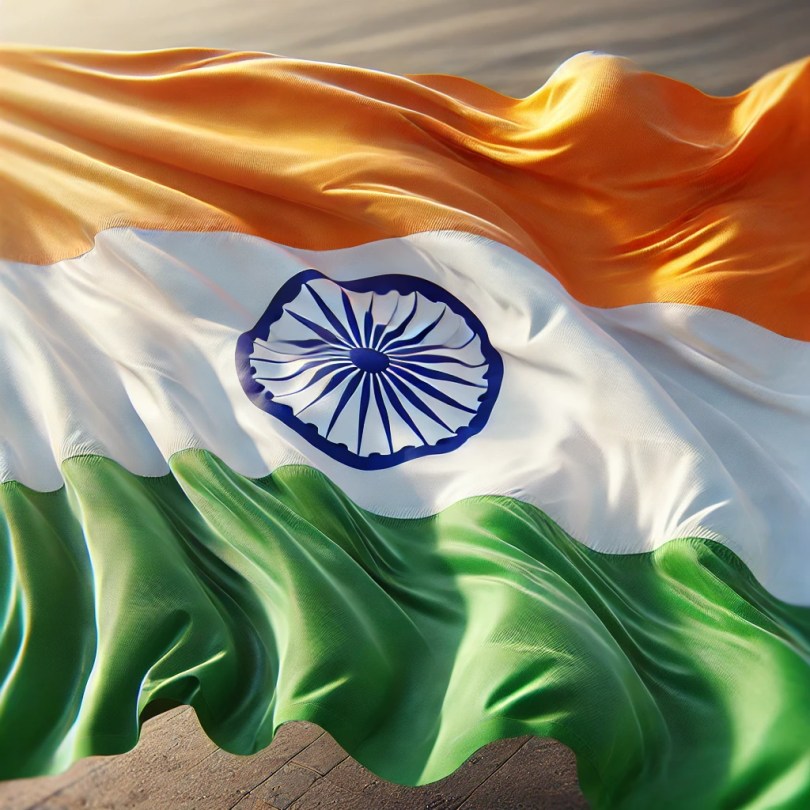
India National Flag

India’s Path to Freedom: A Journey of Courage and Unity

How India Got Its Independence

A long time ago, India was not free like it is today. It was ruled by the British, who came from a faraway country called England. The British controlled many things in India, and the Indian people wanted to be free to make their own decisions.

The Beginning of the Struggle

The journey to independence started when the people of India began to feel that they should be the ones to rule their own country. They wanted freedom, just like how you want to make your own choices sometimes. Many brave men and women started to speak up against the British rule. They wanted to show that India should be an independent country.

The Role of Mahatma Gandhi

One of the most important leaders of the independence movement was Mahatma Gandhi. He believed in something very special called “non-violence.” This means that he wanted to fight for freedom without hurting anyone. Instead of using weapons, Gandhi used peaceful ways to protest. He and his followers would march, refuse to buy British goods, and go on hunger strikes to show how serious they were about gaining independence.

One famous event led by Gandhi was the Salt March in 1930. The British had made a law that said only they could make salt, and they made people pay a lot of money for it. Gandhi and many others walked over 240 miles to the sea to make their own salt, breaking this unfair law. This peaceful protest showed the world how unfair the British laws were.

Other Brave Leaders

There were many other leaders who helped India gain its independence. Leaders like Jawaharlal Nehru, Sardar Patel, and Subhas Chandra Bose all played important roles. Some leaders believed in peaceful protests like Gandhi, while others thought that they needed to fight back more strongly. But they all had one goal: to make India free.

The Struggle Ends

After many years of protests, marches, and difficult times, the British finally realized that the Indian people would not give up. They decided to leave India. On August 15, 1947, India became an independent country! The Indian people were very happy because now they could make their own decisions and govern themselves.

What Independence Means

Independence means that India could now have its own government, make its own laws, and choose its own leaders. The first Prime Minister of independent India was Jawaharlal Nehru, who had worked closely with Gandhi.

Why We Celebrate Independence Day

Every year on August 15th, India celebrates Independence Day. It’s a day to remember all the brave people who helped India become free. People fly kites, attend parades, and wave the Indian flag to show their love for their country.

Summary

India’s journey to independence was a long and difficult one, filled with many challenges. But with brave leaders like Mahatma Gandhi and the support of millions of people, India finally became free on August 15, 1947. Today, Independence Day is a time to celebrate freedom and remember the people who made it possible.

Fun Fact

Did you know that India shares its Independence Day with South Korea? Both countries celebrate their freedom on August 15th!

Why do we celebrate Teachers Day on September 5th?

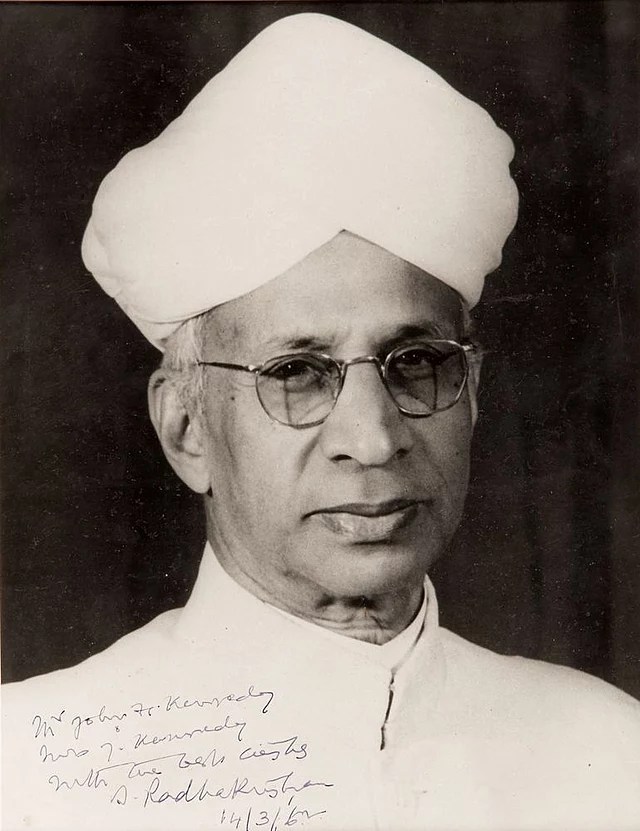
Teachers’ Day is celebrated on September 5th in India as a tribute to Dr. Sarvepalli Radhakrishnan, who was not only a renowned philosopher and scholar but also the second President of India. The significance of celebrating Teachers’ Day on his birthday lies in his own request.

Dr. Sarvepalli Radhakrishnan was born on September 5, 1888. When he became the President of India in 1962, some of his students and friends approached him and suggested that his birthday should be celebrated as a public holiday. However, Dr. Radhakrishnan, who had a deep reverence for teachers and the teaching profession, suggested that instead of celebrating his birthday, it should be observed as Teachers’ Day as a mark of respect to all teachers.

His belief was that teachers should be honored and appreciated for their contributions to society, and he wanted to emphasize the importance of teachers in shaping the future of the nation. Consequently, since 1962, September 5th has been celebrated as Teachers’ Day in India to acknowledge the hard work, dedication, and significant role that teachers play in the lives of students and in the development of the nation. It’s a day when students express their gratitude and appreciation for their teachers through various activities, ceremonies, and gestures of respect.

Karnataka Politics – Who is Who

nameDesignationPlacePartyRemarks
D K ShivakumarDeputy Chief MinisterKanakapura / BengaluruINCIn news for Congress Win in 2023 Elections and Daring Governance
Pradeep EshwarMLAChikkaballapurINCTeacher, founder of Parishrama NEET academy 38 years old.
Tejasvi SuryaMPBangalore SouthBJPLawyer and 33 years old.
Darshan PuttannaiahMLAMelukoteSKP/INCUS entrepreneur returning to India, son of Puttannaiah

Top 10 TV you can consider if you are looking for 43 inches and 4k Resolution

BRANDMODELPRICELINK
WestinghouseWestinghouse 108 cm (43 inches) 4K Ultra HD Certified Android LED TV WH43UD10 (Black)  ₹                  19,499.00https://amzn.to/42c5cEG
TCLTCL 108 cm (43 inches) 4K Ultra HD Certified Android Smart LED TV 43P615 (Black) ₹                  21,990.00https://amzn.to/3nitRZ6
Kodak Kodak 108 cm (43 inches) 4K Ultra HD Smart Android LED TV 43CAPRO5022 (Black) ₹                  22,499.00https://amzn.to/3HpPVbi
HisenseHisense 108 cm (43 inches) Bezelless Series 4K Ultra HD Smart LED Google TV 43A6H (Black) ₹                 27,990.00https://amzn.to/3nl6e23
VuVU 108 cm (43 inches) The GloLED 84 Watt DJ Sound Series 4K Smart Google TV 43GloLED (Grey) ₹                 27,999.00https://amzn.to/3NHvfzB
Samsung Samsung 108 cm (43 inches) Crystal 4K Series Ultra HD Smart LED TV UA43AUE60AKLXL (Black) ₹                 29,990.00https://amzn.to/3Nl8r8x
OnePlusOnePlus 108 cm (43 inches) Y Series 4K Ultra HD Smart Android LED TV 43Y1S Pro (Black) ₹                 29,999.00https://amzn.to/3HrSx8t
LGLG 108 cm (43 inches) 4K Ultra HD Smart LED TV 43UQ7500PSF (Ceramic Black) ₹                  31,990.00https://amzn.to/3HquCpR
Mi MI 108 cm (43 inches) 5X Series 4K Ultra HD LED Smart Android TV L43M6-ES (Grey) ₹                  31,990.00https://amzn.to/3nl5REH
Sony Bravia Sony Bravia 108 cm (43 inches) 4K Ultra HD Smart LED Google TV KD-43X74K (Black) ₹                 42,990.00https://amzn.to/3LjwhyH

Process for getting Overseas Citizen of India visa for NRI Kids

In India, the process for obtaining permanent residency is called the Overseas Citizen of India (OCI) scheme. The OCI scheme provides foreign nationals of Indian origin with the right to live and work in India without the need for a visa.

To be eligible for the OCI scheme, the applicant must meet the following criteria:

  1. The applicant must be a foreign national of Indian origin or a spouse of a foreign national of Indian origin.
  2. The applicant must have held an Indian passport at any time, or their parent or grandparent must have been a citizen of India.
  3. The applicant must not be a citizen of Pakistan or Bangladesh.

To apply for OCI, the applicant must follow these steps:

  1. Submit an online application: The applicant must submit an online application through the OCI website and upload all required documents.
  2. Pay the fee: The applicant must pay the fee for OCI application processing.
  3. Submit the application: After completing the online application and paying the fee, the applicant must submit the application to the designated office.
  4. Provide biometrics: The applicant must provide biometric data, including fingerprints and photographs, at the designated office.
  5. Wait for processing: The application processing time for OCI is generally 4-6 weeks, but it may vary depending on the Indian embassy or consulate where the application is submitted.

Once the OCI application is approved, the applicant will receive an OCI card, which serves as proof of their permanent residency status in India. The OCI card is valid for the lifetime of the holder and provides many of the same rights and privileges as Indian citizens, except for the right to vote, hold public office, and purchase agricultural land.