
A long time ago, India was not free like it is today. It was ruled by the British, who came from a faraway country called England. The British controlled many things in India, and the Indian people wanted to be free to make their own decisions.
The journey to independence started when the people of India began to feel that they should be the ones to rule their own country. They wanted freedom, just like how you want to make your own choices sometimes. Many brave men and women started to speak up against the British rule. They wanted to show that India should be an independent country.
One of the most important leaders of the independence movement was Mahatma Gandhi. He believed in something very special called “non-violence.” This means that he wanted to fight for freedom without hurting anyone. Instead of using weapons, Gandhi used peaceful ways to protest. He and his followers would march, refuse to buy British goods, and go on hunger strikes to show how serious they were about gaining independence.
One famous event led by Gandhi was the Salt March in 1930. The British had made a law that said only they could make salt, and they made people pay a lot of money for it. Gandhi and many others walked over 240 miles to the sea to make their own salt, breaking this unfair law. This peaceful protest showed the world how unfair the British laws were.
There were many other leaders who helped India gain its independence. Leaders like Jawaharlal Nehru, Sardar Patel, and Subhas Chandra Bose all played important roles. Some leaders believed in peaceful protests like Gandhi, while others thought that they needed to fight back more strongly. But they all had one goal: to make India free.
After many years of protests, marches, and difficult times, the British finally realized that the Indian people would not give up. They decided to leave India. On August 15, 1947, India became an independent country! The Indian people were very happy because now they could make their own decisions and govern themselves.
Independence means that India could now have its own government, make its own laws, and choose its own leaders. The first Prime Minister of independent India was Jawaharlal Nehru, who had worked closely with Gandhi.
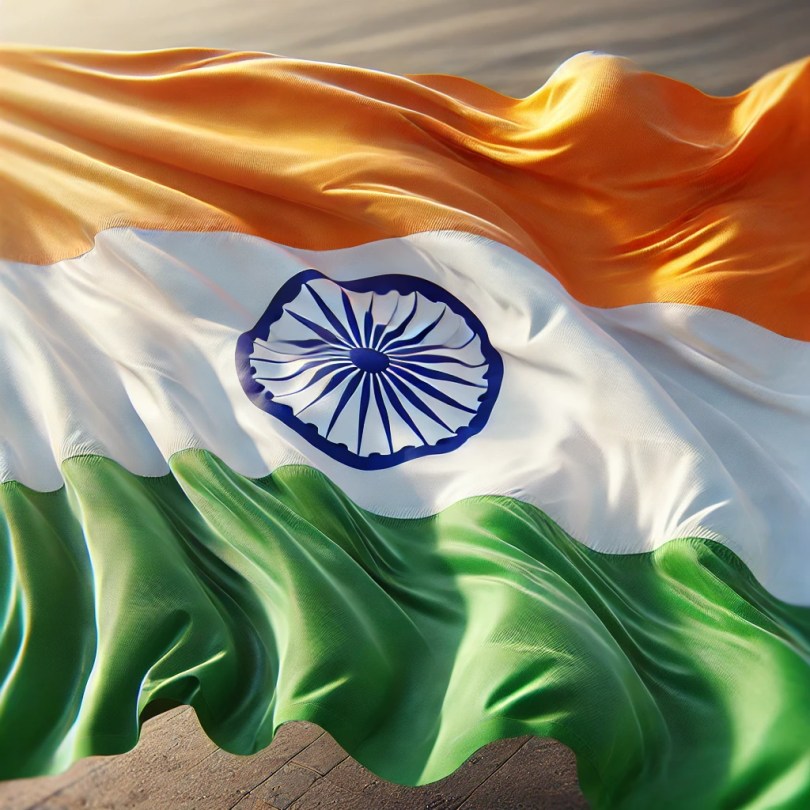
Every year on August 15th, India celebrates Independence Day. It’s a day to remember all the brave people who helped India become free. People fly kites, attend parades, and wave the Indian flag to show their love for their country.
India’s journey to independence was a long and difficult one, filled with many challenges. But with brave leaders like Mahatma Gandhi and the support of millions of people, India finally became free on August 15, 1947. Today, Independence Day is a time to celebrate freedom and remember the people who made it possible.
Did you know that India shares its Independence Day with South Korea? Both countries celebrate their freedom on August 15th!
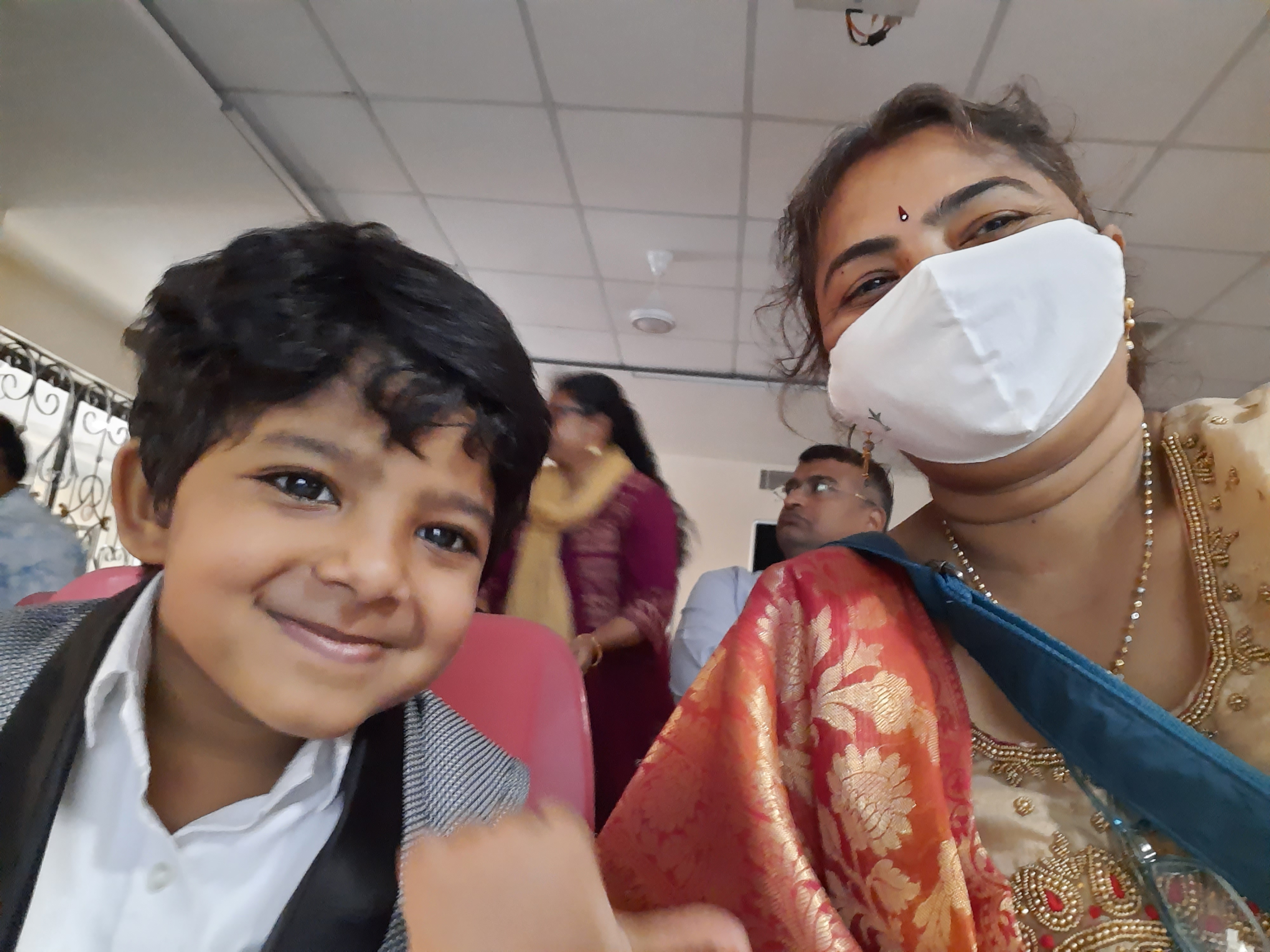
Being a parent is a huge responsibility, but it’s possible to be both a guiding authority and a supportive friend. The key lies in balancing discipline with connection. Here’s how a mother can achieve this, and how it differs from a traditional parenting approach.
The Parenting Approach
Traditional parenting often focuses on authority. This means setting rules, enforcing discipline, and guiding behavior. For example, a mother insists on a strict bedtime to make sure her child gets enough rest. She might also say, “You need to finish your homework before you can watch TV.”
While these actions are essential for a child’s development, they can sometimes create distance. The child might view the mother primarily as an enforcer of rules rather than someone who understands their feelings and needs.

The Friend Approach
Being a friend as a mother involves more than just enjoying fun activities together. It’s about creating an open, trusting relationship where the child feels valued and understood. Here’s how this can be done effectively:
Examples
Imagine a child comes home upset because they didn’t make the soccer team. A traditional approach might involve comforting them but also stressing the importance of hard work and perseverance. A friend-like approach would involve more than just comfort; it would include empathizing with their disappointment, discussing their feelings openly, and perhaps even exploring new interests together.
Or consider a situation where a mother and her child disagree about curfew times. Rather than just imposing a rule, a friend-like approach might involve having a calm discussion where the mother explains her concerns and listens to her child’s perspective. This collaborative approach can lead to mutual understanding and respect.
Conclusion
Being a mother who balances authority with friendship doesn’t mean abandoning rules or responsibilities. Instead, it’s about fostering a supportive relationship where the child feels heard and valued. This balance can lead to a stronger, more trusting relationship, making both parenting and friendship rewarding.
Dates: India observes several Martyr’s Days to honor those who sacrificed their lives for the country.
Observances:
Date: The last Monday of May each year.
Purpose: Memorial Day honors military personnel who have died in the performance of their military duties.
Observances:
Date: November 11 each year.
Purpose: Remembrance Day honors members of the armed forces who died in the line of duty. It marks the armistice signed at the end of World War I in 1918.
Observances:
Date: April 25 each year.
Purpose: ANZAC Day commemorates Australian and New Zealand Army Corps (ANZAC) soldiers who fought at Gallipoli during World War I, as well as honoring all military personnel who have served and died in wars, conflicts, and peacekeeping operations.
Observances:
Date: November 11 each year, similar to the UK.
Purpose: Honors Canadian armed forces members who have died in the line of duty.
Observances:
Date: November 11 each year.
Purpose: Commemorates the armistice signed at the end of World War I and honors all soldiers who died for France.
Observances:
Date: The Sunday closest to November 16.
Purpose: Honors all victims of war and tyranny.
Observances:
Date: February 23 each year.
Purpose: Honors military personnel and veterans, as well as celebrating the broader contributions of men to the nation.
Observances:
Each country has its unique way of honoring its veterans and martyrs, reflecting its history and cultural values. These observances serve as a reminder of the sacrifices made by military personnel and ensure that their legacy is remembered and respected by future generations. By understanding and participating in these commemorations, we can all contribute to preserving the memory of those who have given so much for their nations.
The Ramappa Temple, officially known as the Ramalingeswara Temple, is named after its chief architect, Ramappa. Ramappa was a skilled and accomplished sculptor and engineer who played a pivotal role in the construction of the temple. The temple, dedicated to Lord Shiva, was built during the 12th century under the patronage of the Kakatiya dynasty, and it stands as a masterpiece of Kakatiya architecture.
Ramappa’s expertise and artistic vision are reflected in the intricate carvings, detailed sculptures, and unique architectural features of the temple. The temple is renowned not only for its religious significance but also for the exceptional craftsmanship and engineering ingenuity displayed in its construction. The name “Ramappa Temple” pays tribute to the talented artisan who contributed significantly to its creation.
Here is the Google Map link to Reach Ramappa Temple Its four hour drive from Hyderabad.
Teachers’ Day is celebrated on September 5th in India as a tribute to Dr. Sarvepalli Radhakrishnan, who was not only a renowned philosopher and scholar but also the second President of India. The significance of celebrating Teachers’ Day on his birthday lies in his own request.
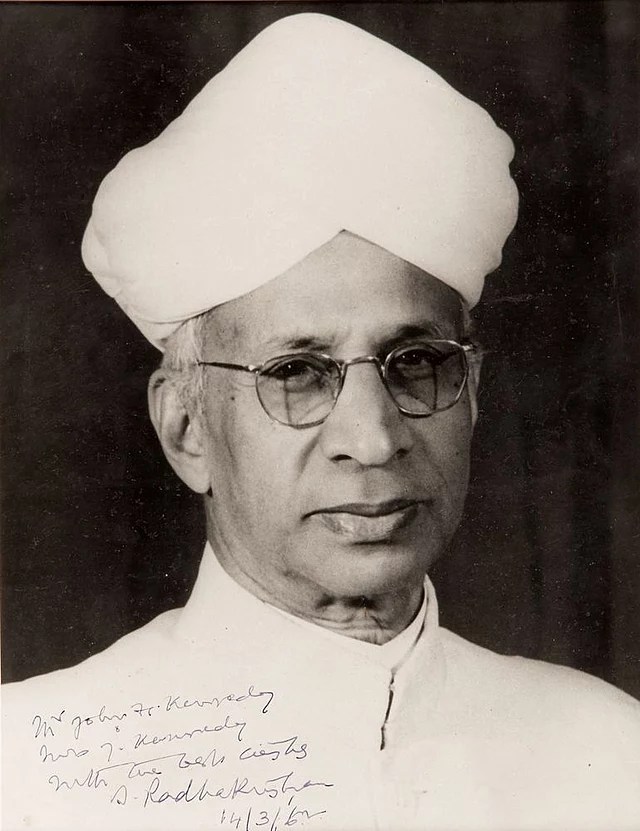
Dr. Sarvepalli Radhakrishnan was born on September 5, 1888. When he became the President of India in 1962, some of his students and friends approached him and suggested that his birthday should be celebrated as a public holiday. However, Dr. Radhakrishnan, who had a deep reverence for teachers and the teaching profession, suggested that instead of celebrating his birthday, it should be observed as Teachers’ Day as a mark of respect to all teachers.
His belief was that teachers should be honored and appreciated for their contributions to society, and he wanted to emphasize the importance of teachers in shaping the future of the nation. Consequently, since 1962, September 5th has been celebrated as Teachers’ Day in India to acknowledge the hard work, dedication, and significant role that teachers play in the lives of students and in the development of the nation. It’s a day when students express their gratitude and appreciation for their teachers through various activities, ceremonies, and gestures of respect.
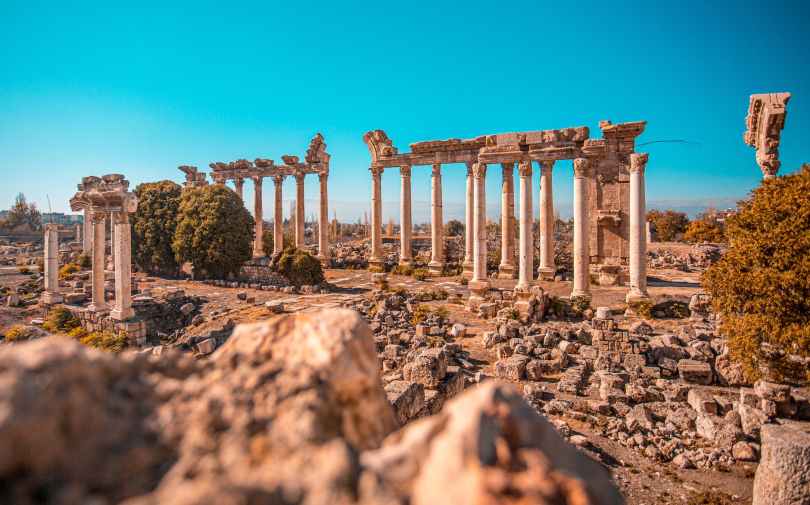
Was delighted to see Baklava in Sarath City Capital Mall, Hyderabad. So just tried the three options recommended by the shop keeper.
Mamul Math 1 piece – INR 190
Baklava Special 1 Piece – INR 167
Blueberry Kunafa Small – INR 366
Not really sure how did he do pricing calculation because the most delicious one was either mamul math or Baklava Special You can refer to the images ( will be uploaded soon)
Some recipes may also include additional ingredients like rose water, orange blossom water, or vanilla extract to enhance the flavor of the pastry.

.
The history of baklava is somewhat disputed, as it is believed to have originated in the Middle East or Mediterranean region, but its exact origins are not clear. Some sources suggest that the dessert was first created in the Assyrian Empire around the 8th century BC, while others attribute its creation to the Ottoman Empire in the 15th century.
Regardless of its origins, baklava quickly became a popular dessert throughout the Middle East and Mediterranean, and it has been enjoyed by people in these regions for centuries. The dessert is often associated with special occasions and celebrations and is traditionally served during religious holidays like Eid al-Fitr and Easter.
As trade routes opened up between the Middle East and Europe, baklava also spread to other parts of the world, and today it is enjoyed in many countries across the globe. Its popularity can be attributed to its delicious taste and unique texture, which combines crispy layers of phyllo dough with a sweet, nutty filling.


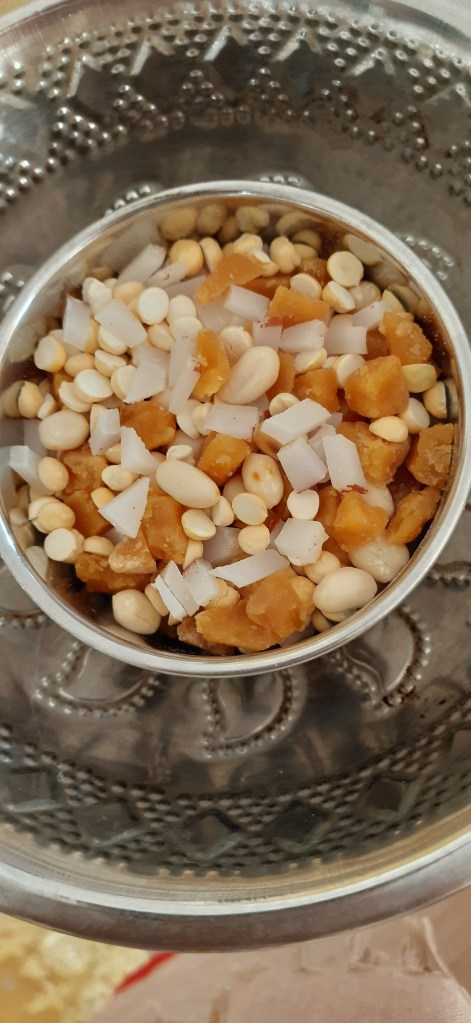
Sankranti Ellu Bella
In Karnataka its a custom to eat Ellu Bella which means Sesame Seeds and Jaggery ( a type of sugar) during sankranti festival. We also prepare it and share with all friends and family. It takes time to prepare at home. But here amazon was at rescue this time. Its easily available in stores in Karnataka during the season but as I am in Hyderabad I was missing the ellu bella. But Amazon was at rescue. Delighted to find Ellu Bella on amazon. You can also order it and taste it. Its all good for the winter weather. So grab it before Summer starts.
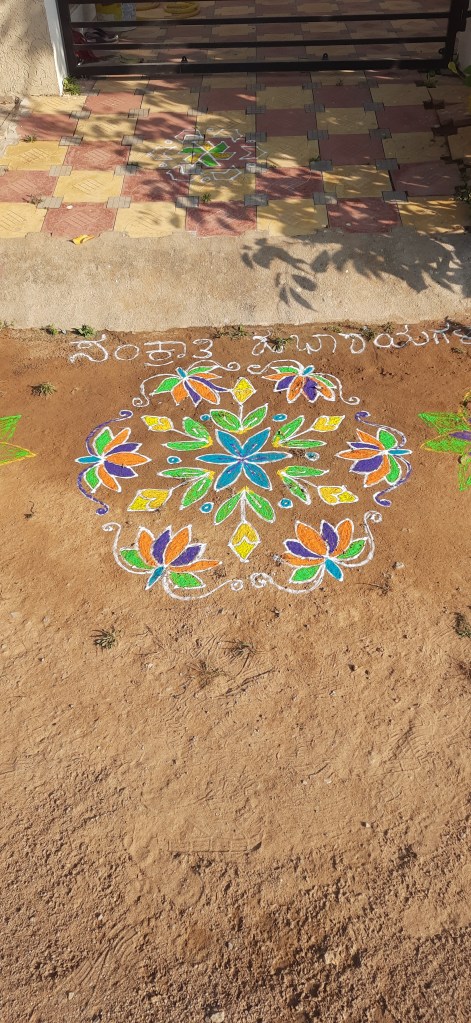

Kuser farms have been hosting christmas tours since many years. This picture is from our visit in 2019. Here is some latest events happening at Kuser mansion.
Kuser Farm Mansion will be open for tours starting Saturday, March 18, 2023, through Saturday, October 21, 202, from 11 am to 3 pm. The last walkthrough tour will start at 2:15 pm. We will be open every Saturday and Sunday with the exception of April 9th for Easter. Please call 609-890-3630 for information.
Get to know more by visiting their website and join the latest tour at Kuser Mansion
April 29th : Narasimha avatara at Srivari temple nj
June 9th. : Sri Vadirajaru at Sri Krishna Vrundavana nj
June 16th : Akka Mahadevi Sonerset nj
August 25th: Seeta Kalyana in English Staten Island
September 8th : sri Purandaradasa inEnglish Pomona temple NY
September 22: Parvati Kalyana south jersey
November 10 : Babruvahana Tennesse

 Lets Talk - bindumadhavi.online