Zoom provides a feature called “Presenter View” that allows you to see speaker notes while presenting a PowerPoint, while the audience sees only the slides. Here’s how you can do it in Zoom:
Prepare Your PowerPoint: Make sure your PowerPoint presentation includes speaker notes for each slide.
Start a Zoom Meeting: Begin a Zoom meeting or join an existing one.
Share Your Screen:
Click the “Share Screen” button in the Zoom meeting controls.
Select the window or application that displays your PowerPoint presentation.
Enter Presenter View:
Once your PowerPoint presentation is being shared, click on the “Slide Show” tab in PowerPoint.
Click on “From Beginning” to start your presentation.
You will now see the presenter view with speaker notes on your screen, while the Zoom audience will only see the slide show.
Navigate Through Your Presentation: You can use the presenter view to navigate through your slides and see your speaker notes. Your audience in Zoom will only see the slides.
Interact with the Audience: While in presenter view, you can still interact with your Zoom audience through video, audio, chat, or Q&A features.
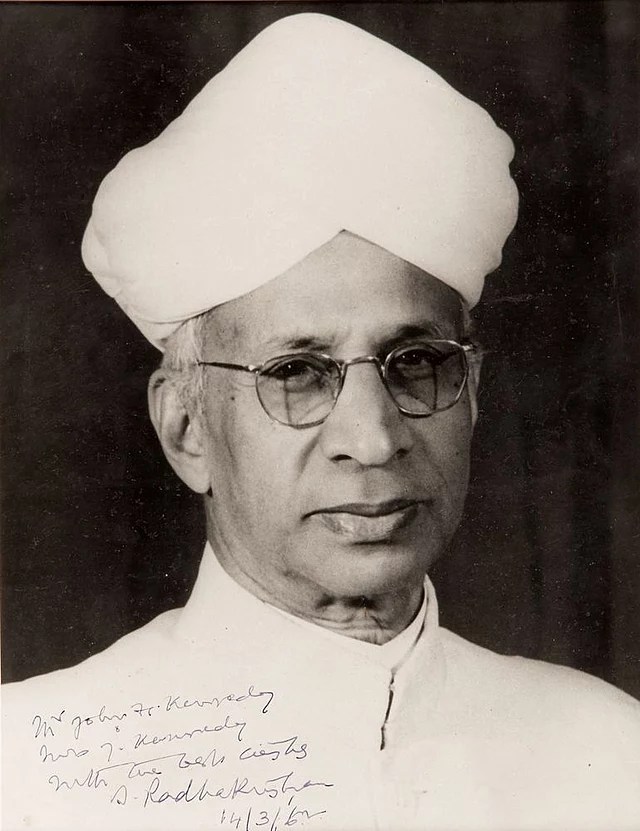
Teachers’ Day is celebrated on September 5th in India as a tribute to Dr. Sarvepalli Radhakrishnan, who was not only a renowned philosopher and scholar but also the second President of India. The significance of celebrating Teachers’ Day on his birthday lies in his own request.
Dr. Sarvepalli Radhakrishnan was born on September 5, 1888. When he became the President of India in 1962, some of his students and friends approached him and suggested that his birthday should be celebrated as a public holiday. However, Dr. Radhakrishnan, who had a deep reverence for teachers and the teaching profession, suggested that instead of celebrating his birthday, it should be observed as Teachers’ Day as a mark of respect to all teachers.
His belief was that teachers should be honored and appreciated for their contributions to society, and he wanted to emphasize the importance of teachers in shaping the future of the nation. Consequently, since 1962, September 5th has been celebrated as Teachers’ Day in India to acknowledge the hard work, dedication, and significant role that teachers play in the lives of students and in the development of the nation. It’s a day when students express their gratitude and appreciation for their teachers through various activities, ceremonies, and gestures of respect.
Mono and bilingual learners refer to students who are either monolingual (speak only one language) or bilingual (speak two languages) in the context of ESL (English as a Second Language) education. Understanding whether a student is mono or bilingual is important because it can influence how they approach and experience the process of learning English.
Mono Learners: Mono learners are individuals who speak only one language fluently. For them, learning English is often a journey of starting from scratch. Their primary language may not have much in common with English in terms of vocabulary, grammar, or phonetics. This can present both challenges and advantages:
Challenges:
Limited Linguistic Connections: Mono learners may have fewer linguistic similarities between their native language and English, making it harder to draw on existing language skills.
Pronunciation Struggles: English sounds that do not exist in their native language can pose challenges for accurate pronunciation.
Conceptual Adjustments: Understanding grammatical structures and idiomatic expressions unique to English may require more effort.
Advantages:
Fresh Perspective: Mono learners might approach English with an open mind and fewer preconceived notions about how a language should work.
Focused Learning: Since they don’t have to balance the nuances of multiple languages, mono learners can focus more intently on mastering English.
Bilingual Learners: Bilingual learners, on the other hand, have a head start due to their familiarity with two languages. They already possess language learning skills and may draw upon similarities between their native language and English. However, being bilingual can also present certain challenges:
Challenges:
Interference: Bilingual learners might experience interference from their native language, where structures, vocabulary, or pronunciation differ from English.
Code-Switching: There might be a tendency to mix languages, leading to code-switching in speech or writing.
Cultural Implications: Bilingual learners might have to navigate differences in cultural expressions and linguistic norms between their languages and English.
Advantages:
Transferable Skills: Bilingual learners can apply their understanding of language structures and vocabulary from one language to another.
Enhanced Cognitive Skills: Being bilingual can enhance cognitive abilities like problem-solving, multitasking, and focusing attention.
Overall, whether a learner is mono or bilingual affects their learning experience in terms of the initial challenges they face and the unique advantages they bring to the learning process. Teachers can tailor their instruction to address these differences, helping students leverage their strengths while addressing specific areas of difficulty.
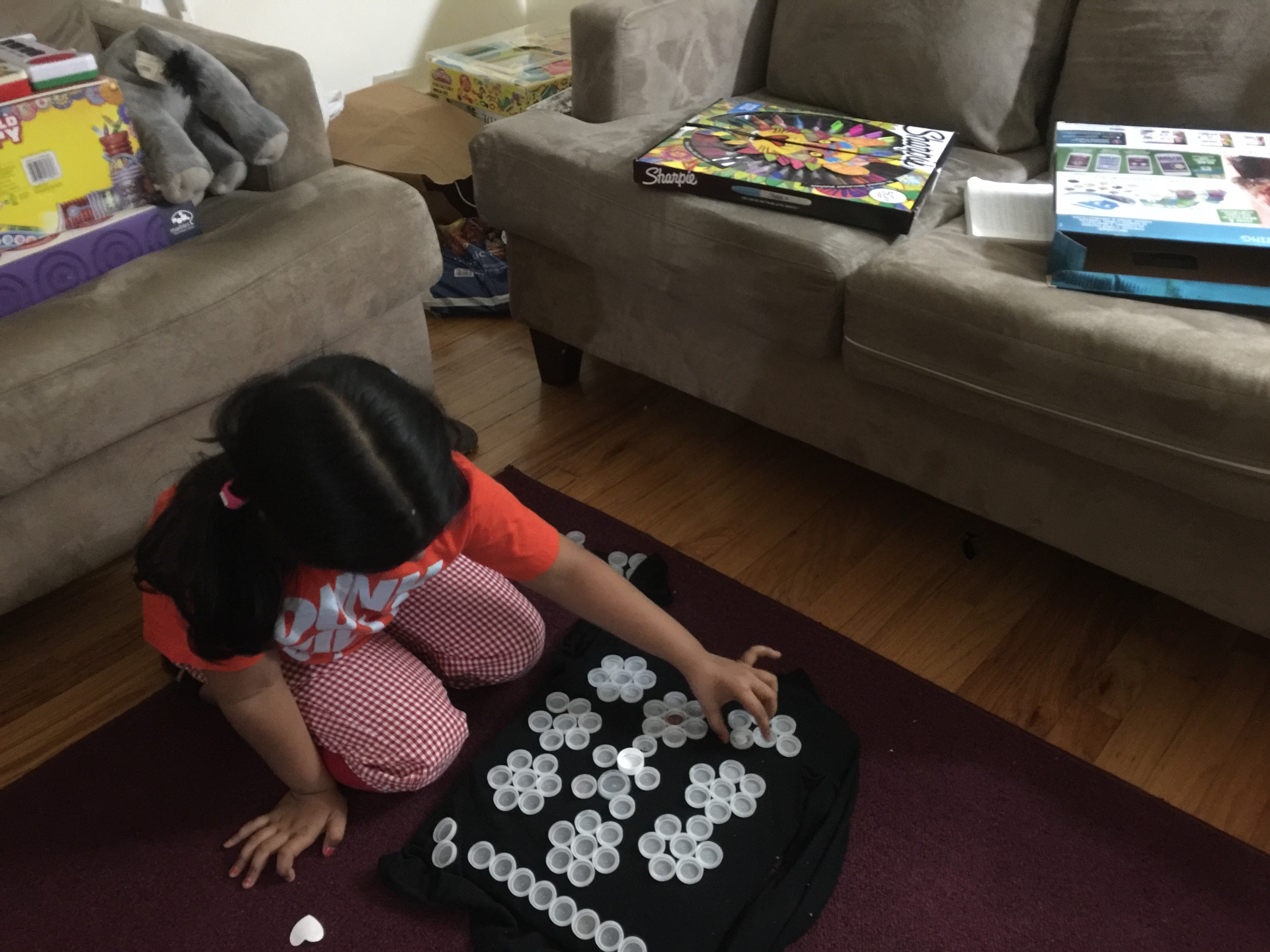
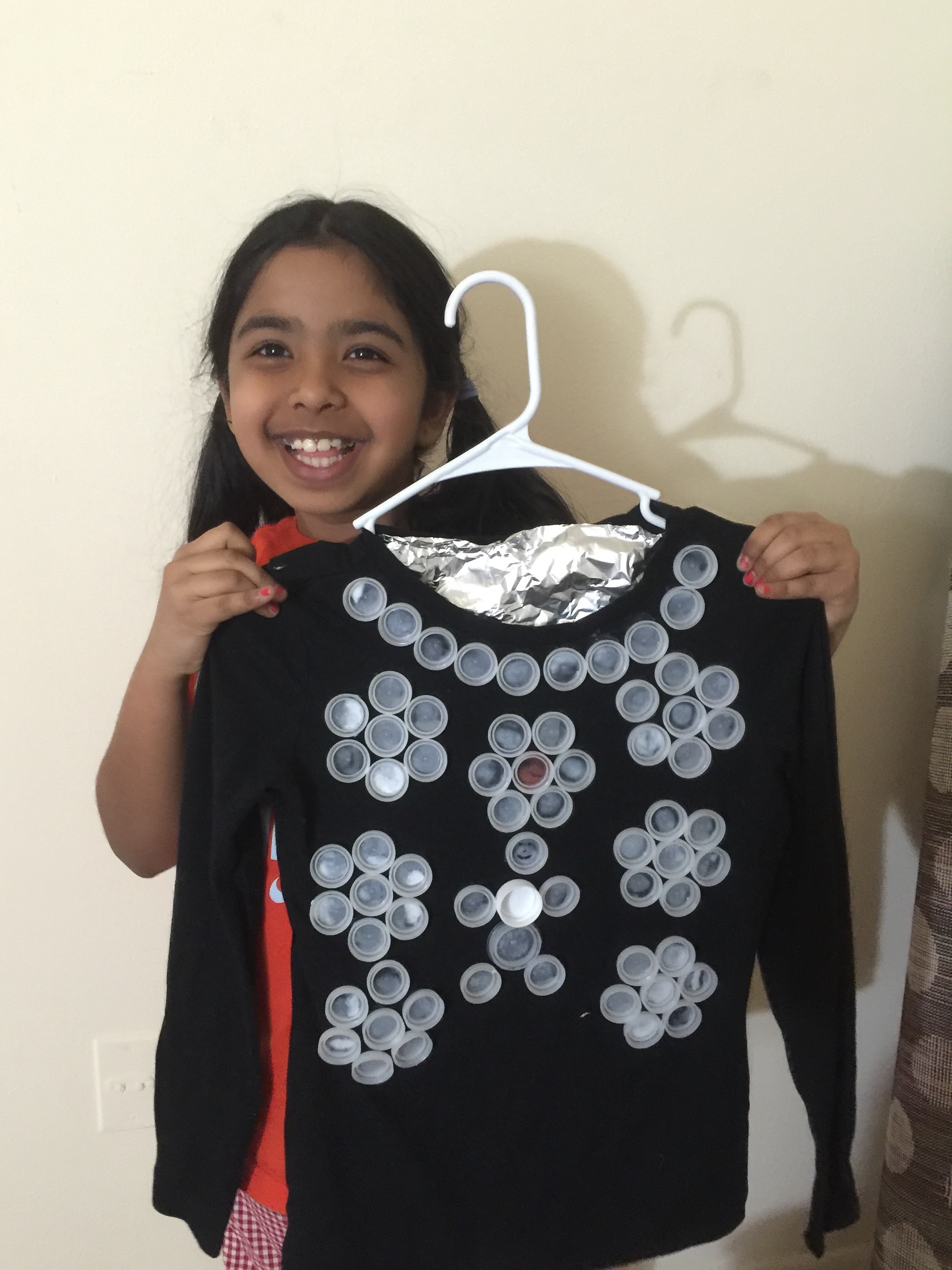
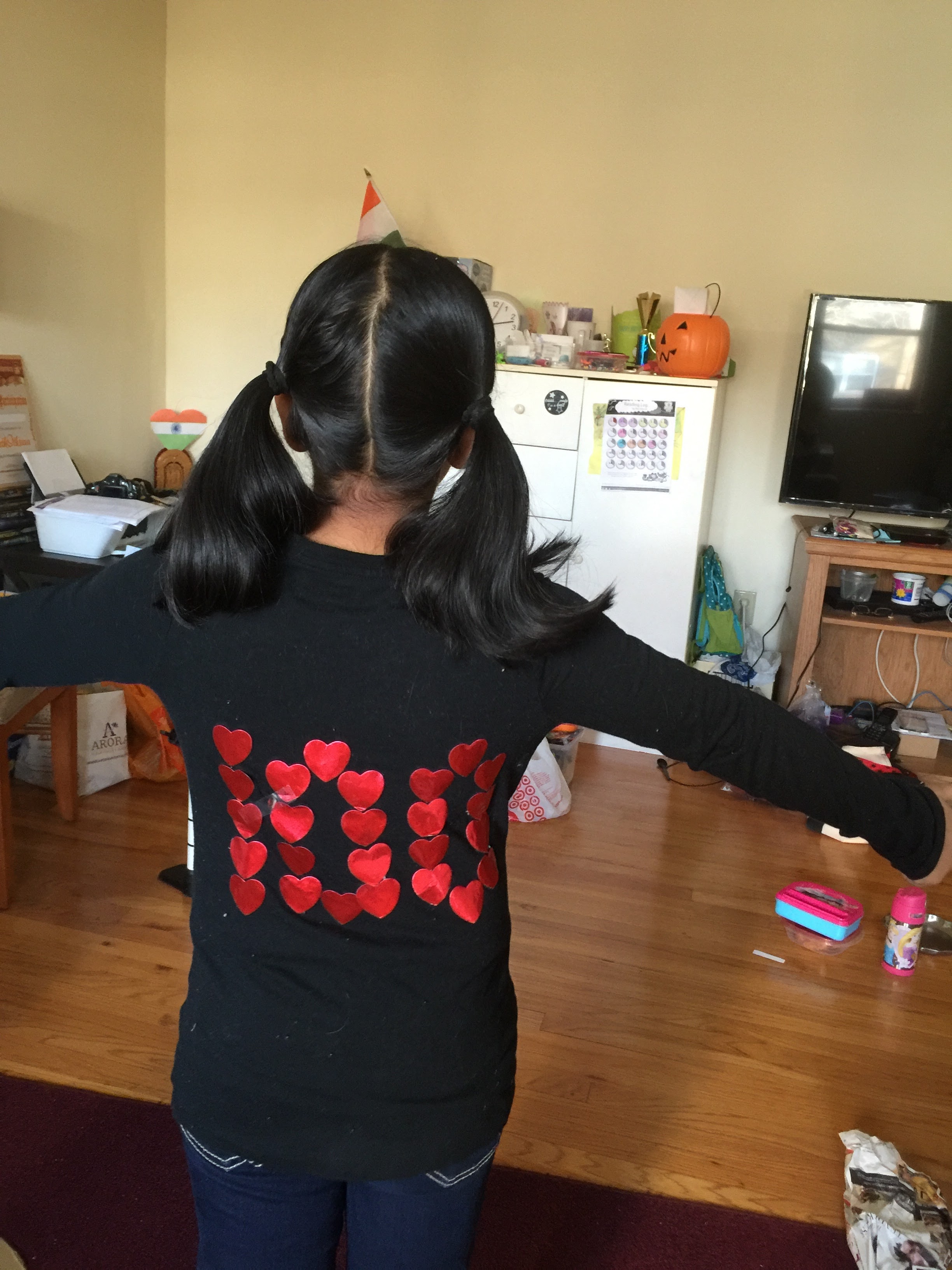
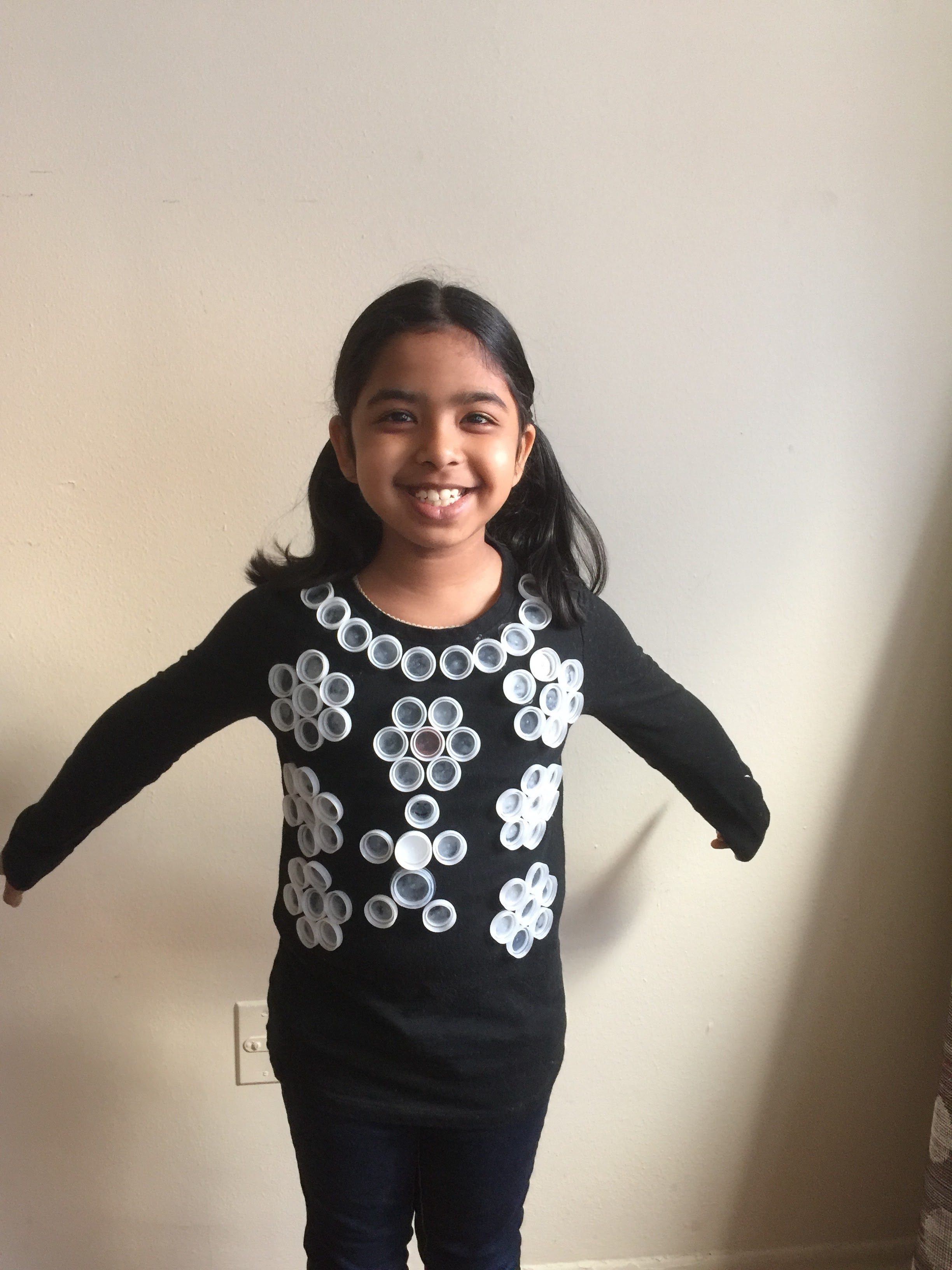
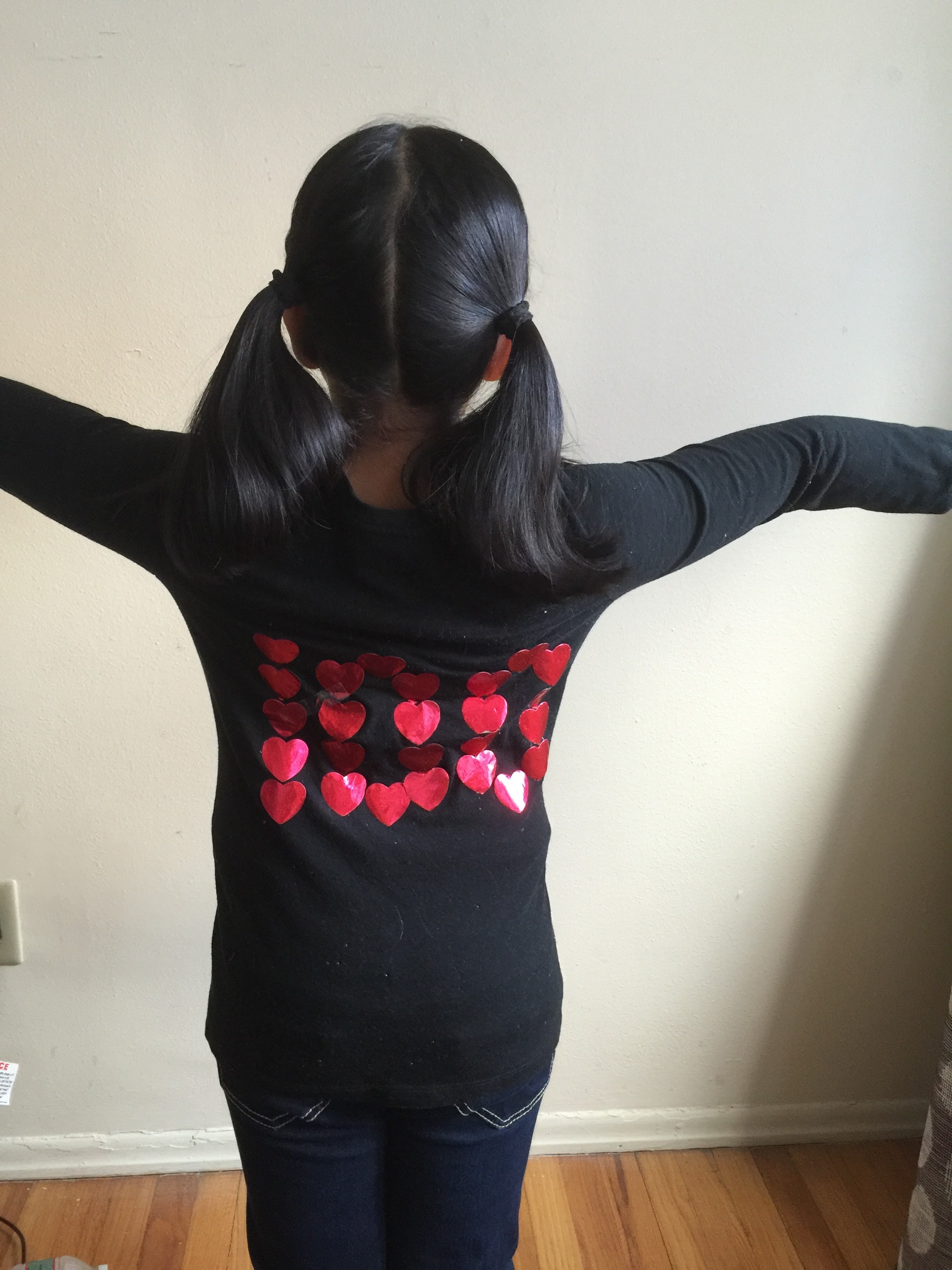
In American schools, the milestone of reaching 100 days of school in an academic year is often celebrated with various activities and projects. Recently, our daughter’s school in New Jersey organized a special event to commemorate this achievement. As part of the celebration, the students were encouraged to create something that symbolized their 100 days of learning. Our daughter, with her artistic flair and concern for the environment, crafted a unique artwork using 100 plastic bottle caps. Additionally, she incorporated heart-shaped stickers to display her appreciation for the wonderful journey of education. This article delves into the significance of her creation, highlighting the themes of recycling, reusing, and love for learning.
Embracing Environmental Awareness: Our daughter’s decision to utilize 100 plastic bottle caps in her artwork was a thoughtful gesture that promotes the principles of environmental conservation. By repurposing these bottle caps, she highlighted the importance of the three R’s: Reduce, Reuse, and Recycle. Plastic pollution poses a significant threat to our ecosystem, and reusing materials can play a crucial role in minimizing this impact. Through her artwork, our daughter aimed to raise awareness and inspire others to adopt sustainable practices in their daily lives.
Keeping Our Environment Clean: One of the underlying messages conveyed by our daughter’s art is the significance of reusing materials to keep our surroundings clean. While we may strive to eliminate plastic from our lives completely, it is not always practical or feasible. Plastic often finds its way into our homes, and rather than discarding it immediately, reusing can be an effective alternative. Our daughter’s use of 100 bottle caps showcased how simple acts of reusing can contribute to a cleaner environment.
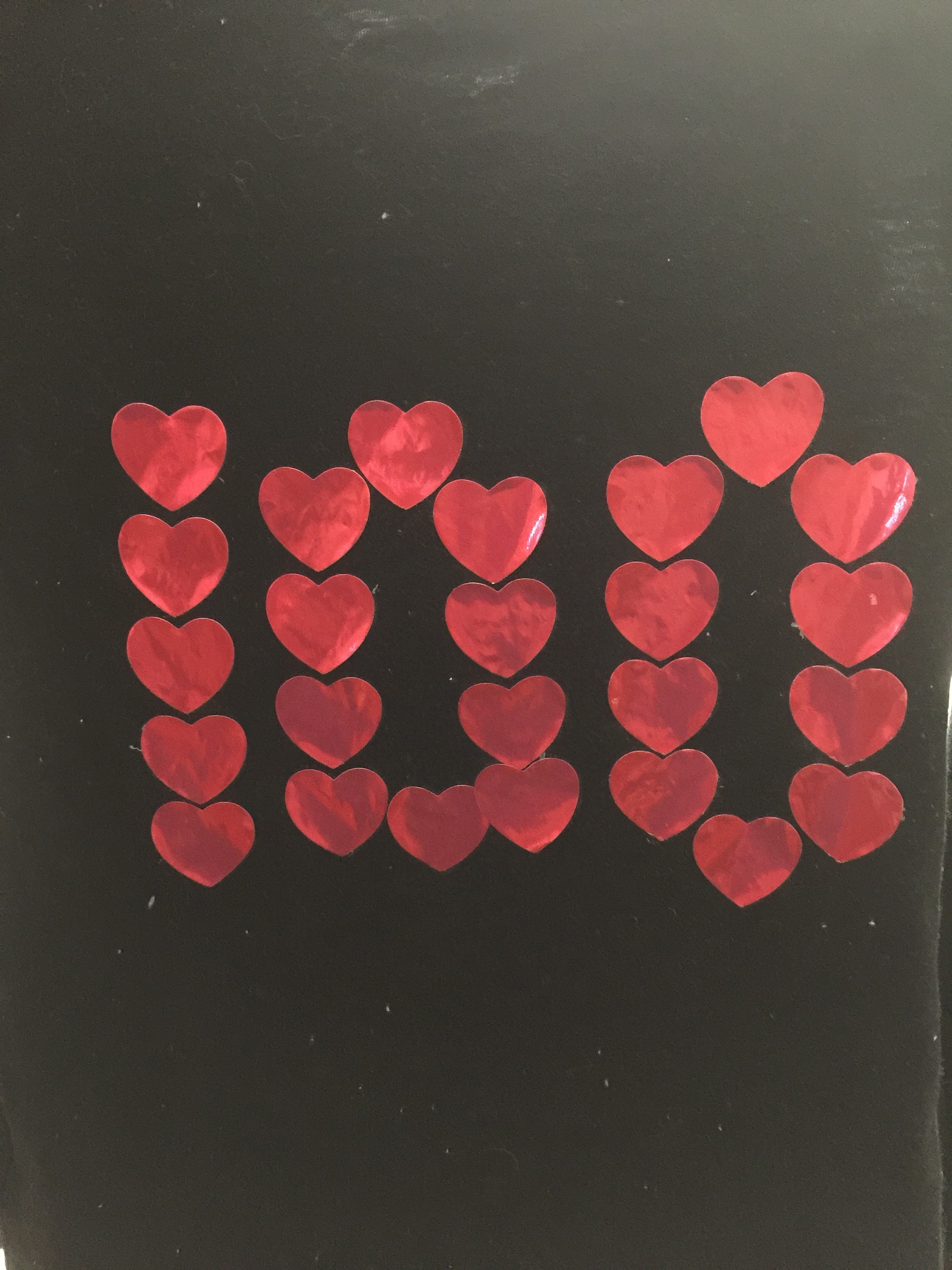
Expressing Love for Learning: Alongside her creative display of environmental awareness, our daughter expressed her affection for the 100 days of school through heart-shaped stickers that formed the number “100.” This symbolic representation served as a testament to her enjoyment and appreciation of the educational journey she embarked upon. It is a reminder of the many opportunities for growth, knowledge, and personal development that each day of school brings. The heart-shaped stickers also served as a heartfelt thank you to her teachers, classmates, and the entire school community for making her experience special and memorable.
Conclusion: The celebration of 100 days of school holds great significance in the American education system. Our daughter’s artwork, composed of 100 plastic bottle caps and heart-shaped stickers, beautifully encapsulates the essence of this milestone. By promoting the principles of recycling and reusing, she exemplifies the importance of caring for our environment. Simultaneously, her expression of love for learning reminds us of the invaluable impact of education. Through her creation, she has not only left a lasting impression but also inspired others to consider their role in preserving our planet and cherishing the joys of learning.
Snap Circuits is the best gift you can give to any kid aged 3 to 15 or even 20. I wish I had these circuits before joining the Electrical Engineering Course!! Learning would have been so much fun.
My son was introduced to this at an early age as I had bought this gift for my daughter. He started making the circuits at the age of 3 or 4 if I remember exactly. Now that he is six year old and got a friend who loves doing these circuits with him, he is more hooked to these circuits. Every day they go on making new projects. I ordered another kit from Snap Circuits as that one excited him and I felt along with new kit he will get more elements which he could use for all projects including the old one.
Make sure to buy the original one from ELENCO. The price is costly considering its for kids. But if we start saving the money by not spending on junk food and other phone apps which are not good for kids, then we can definitely buy these toys.
Here are the links for some basic kits which you can start with
ONE DAY NATIONAL ONLINE WEBINAR ON “THE EMERGING TRENDS AND OPPORTUNITIES IN MULTIDISCIPLINARY RESEARCH WITH A FOCUS ON METHODOLOGY, WRITING SKILLS AND PUBLISHING RESEARCH PAPER” DATE: SUNDAY, 29TH NOVEMBER 2020 TIME: 11:00 AM TO 5:00 PM (IST)
Meeting Id Number: 1768169989 Password:Aira@Mysore2020
You are requested to encourage all the Research Scholars/Academicians/Professionals/ Students to participate in the Webinar. For any queries Call or WhatsApp us on: 9483540670, 9591709011
Its more than five years since I moved to America and I have volunteered at various organizations. Even though I have done various roles as a volunteer, most of it was and is teaching. There are some lessons I have learnt during this period. You might as well ask what is there to think before we volunteer? We all volunteer for a good cause and nothing should hold us back. But there are some factors which you better consider before jumping to volunteering for any organization or project.
First and foremost, we need to understand why do I want to volunteer for this project or organization? Do I understand the goals and purpose of the organization and are my values and visions in line with that of decision makers of the organization? It might be better idea to discuss with the decision makers what are the future goals of the organization. How is it going to operate in the long run? Are the rules and regulations which are true for today are going to continue for tomorrow also?
For example, I volunteered as teacher at one organization which was conducting free classes for all students interested. I had the freedom to follow my teaching methodologies, classes were free for students, I was not paid as I was a volunteer. Once in a while both teachers and students would get a mail requesting for donation for the organization which was optional. They could donate as minimum amount as they wanted or not pay at all. No one would come to know who paid or who did not pay. This is something which was in line with my idea of teaching for free.
Then there was another organization which is also a not for profit organization and I volunteered to teach there as it was open to anyone who wanted to learn the language. But there something which started as free started asking for a registration fee in the next year. Then they also made it compulsory to become members of the organization which of course was paid. So, this will put the parents who would have enrolled their kids thinking it as free into a dilemma. Also, for volunteers who started volunteering for it because it was a free course. Then quitting such projects is also hard because of the friends the students or volunteers will have. It does not matter what ever minimum amount they are charging because in the first place they attracted students and volunteers by calling it a free course.
Then there was another organization which also conducted free classes then started asking for donations for some religious institutions it supported. Here again its okay to ask for donations, but sometimes the donations become compulsory like it happens in most of the private schools in India. They make list of parents who paid and those who did not pay and then circulate it in their respective groups. Here also we get a question should I be part of it?
I have been attending another class as a student for more than two years now. The teacher never asked for any fees or donation. Even though he is a part of an organization where he learnt the skill he is teaching. I am glad we still have such teachers and want to support such teachers or volunteers and want to be one like them.
As a result, I started my own language classes which are free for everyone. It will always be free.
So, lesson learnt yes, even for volunteering you need to check is it in line with my values and my ethics?





 Lets Talk - bindumadhavi.online