Mo Shaikh

Who Is Mo Shaikh?

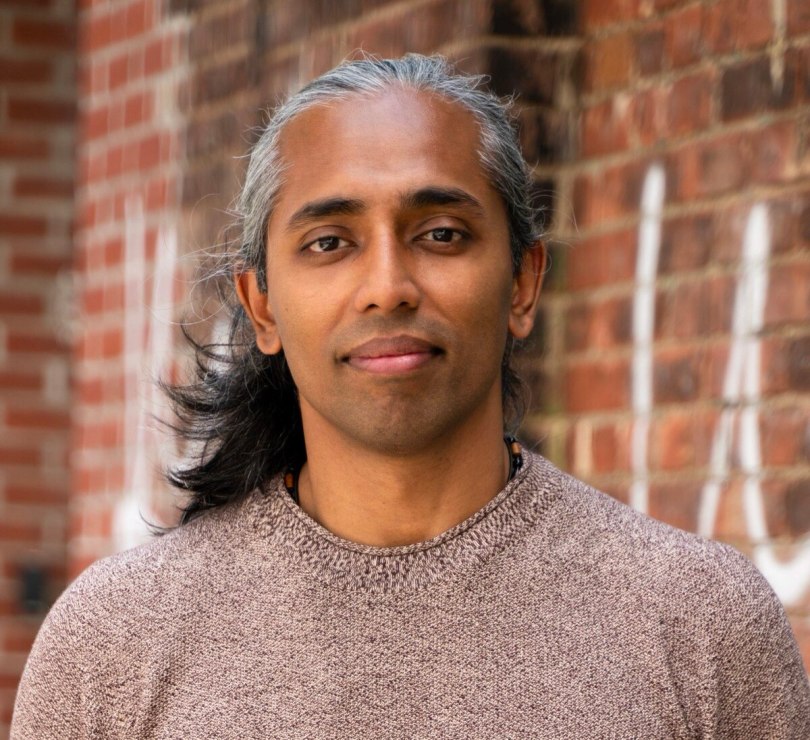
Mohammad “Mo” Shaikh is an influential American entrepreneur, investor, and policy strategist who works in blockchain, Web3, and traditional finance.
(Birth year: publicly available sources list him as born in 1986.)
He was raised in Brooklyn by immigrant parents from Pakistan — his father worked as a taxi driver, and his mother was a homemaker. (He is described as having immigrant parents because both of them moved from Pakistan to the United States before he was born.)
Mo’s childhood experiences helped shape his mission: to create a financial system that is fair and accessible for everyone.


Early Life & Education

Mo earned a Bachelor of Science degree in Economics, Psychology, and Accounting from Hunter College.

He later received an MBA in Organizational Strategy & Finance from the Simon Business School at the University of Rochester.

While in business school, he was very active in student leadership. He served as co-president of the Investment Club and also helped run a student venture fund.


Career Trajectory

Traditional Finance

Before entering the blockchain world, Mo worked in private equity (including time at BlackRock) and in strategy consulting at the Boston Consulting Group (BCG).

He advised clients in the energy, telecom, and sovereign-wealth sectors.


Blockchain & Web3

Meridio

In 2017, Mo co-founded Meridio, a ConsenSys-backed platform used to tokenize real estate on Ethereum.

One of Meridio’s early achievements was fractionalizing ownership of a Brooklyn property at 304 Troutman Street using blockchain.

Meridio was later merged into ConsenSys.

Aptos Labs

In 2021, after Meta (Facebook) shut down its Diem blockchain, Mo and engineer Avery Ching founded Aptos Labs.

Under Mo’s leadership, Aptos raised nearly $500 million from top investors such as a16z, Apollo, and BlackRock.

Aptos also built partnerships with companies like Google Cloud, Microsoft, NBCUniversal, and major global asset managers.

The company expanded worldwide — including into Asia — through moves like acquiring the Japanese firm HashPalette.

In December 2024, Mo stepped down as CEO of Aptos, but he remained a founding shareholder.

Investing & Advising

After leaving his CEO role, Mo shifted into supporting and mentoring early-stage Web3 and AI founders.

Venture Fund

In 2025, he co-founded Maximum Frequency Ventures (MFV), a $50 million fund focused on crypto infrastructure, Web3 innovation, and AI networks.


Policy & Governance

Mo was appointed to the CFTC Digital Assets Subcommittee in 2024.

He also serves on the board of trustees at Hunter College.

He frequently speaks at major global conferences — including the World Economic Forum, Milken Institute, and Point Zero Forum — where he discusses financial inclusion, regulation, and the future of blockchain.


Motivations & Philosophy

Mo’s early life, especially watching his parents struggle with traditional financial systems, inspired him to rethink how money should move in the modern world.

He believes blockchain can remove inefficiencies, helping transactions become faster, cheaper, and more transparent.

His work connects traditional finance with crypto innovation, aiming to bring Web3 technology into everyday use.


Impact & Legacy

Under Mo’s leadership, Aptos quickly became a major Layer-1 blockchain with a strong developer community and many institutional partners.

His work at Meridio helped pioneer tokenized real estate and showed how real-world assets can be shared more fairly using blockchain.

Through policy work, investing, and leadership, Mo continues to influence both the technology and regulation of digital assets.


Challenges & Critiques

Like many blockchain leaders, Mo and Aptos have faced questions about tokenomics and funding transparency.

There are also natural questions about how a founder stays influential after stepping away from a CEO role — but Mo’s launch of MFV shows that he is continuing to build in the space.


What’s Next

Growing MFV

Through his venture fund, Mo will likely invest in companies focused on crypto infrastructure, AI systems, and tools connecting blockchain with real-world use.

Policy Influence

His role in regulatory discussions may help shape how governments around the world treat digital assets.

Web3 in Emerging Markets

Mo has highlighted huge opportunities in regions like Asia and the Middle East, where older financial systems are less efficient and Web3 could help more people gain access to modern technology.


Final Thoughts

Mo Shaikh is more than a tech founder. He is someone who wants to make the financial world easier and fairer for everyone. Growing up in Brooklyn with immigrant parents taught him how difficult money and banking can be for ordinary people.

Because of that, he has spent his career trying to build better financial tools using new technology. His work at Aptos, his early real-estate blockchain projects, and now his investing and policy work all show the same goal:
help people, open more doors, and make the financial system work for everyone.

Reference

https://www.moshaikh.com/

https://cryptonews.com/news/aptos-labs-ceo-mo-shaikh-resigns/?utm_source=chatgpt.com

Why Columbia University is called “Columbia University”


Wondering about Colombia country, I was thinking why do we have Columbia University, Washington District of Columbia in USA. How is it related… So here is what I found.

1. It started as “King’s College” (1754)

  • Founded in 1754 in New York City, when the area was still under British rule.
  • It was established by King George II of England, so it was named King’s College.
  • It was the fifth-oldest college in the U.S. (after Harvard, William & Mary, Yale, and Princeton).

2. After the American Revolution, “King’s College” didn’t sound so good

  • When the U.S. gained independence in 1776, people no longer wanted anything with “King” in the name.
  • The college closed temporarily during the war and later reopened with a new, patriotic identity.

3. “Columbia” = poetic name for America

  • In the 1700s and 1800s, “Columbia” was a poetic or symbolic name for the United States.
  • It comes from the name Christopher Columbus, the explorer often credited with “discovering” the Americas.
  • So “Columbia” meant “Land of Columbus” — and represented freedom and the new nation.

4. Renamed Columbia College (1784) → Columbia University (1896)

  • In 1784, after independence, it was renamed Columbia College to honor the new nation.
  • Later, as it grew into a major research institution with multiple schools (law, medicine, etc.), it officially became Columbia University in 1896.

5. Today

  • Columbia University in the City of New York is one of the Ivy League universities.
  • It is famous for:
    • Nobel Prize winners
    • Pulitzer Prize administration
    • Core Curriculum
    • Alumni like Barack Obama and Alexander Hamilton

Beginner-friendly roadmap for your $500 trading account

Here’s a beginner-friendly roadmap for your $500 trading account — structured so you learn the basics, manage risk, and gradually understand higher-return strategies, without getting overwhelmed.


1️⃣ Start with the Right Markets

Focus on markets that are low-cost to enter, liquid, and beginner-friendly:

MarketWhy Start HereNotes
StocksEasy to understand; small investments possible; foundational for learning trading psychologyUse fractional shares if $500 isn’t enough for full shares
OptionsGood for learning leverage and hedging; small contracts can be affordableStart with basic calls/puts, avoid complex spreads initially
ForexAccessible for small accounts; 24/5 trading; good for learning price actionStart with micro-lots, demo trading first
BondsSafe, long-term learning, but less relevant for active trading with small capitalOptional for now
FuturesSkip initially; high leverage is risky with $500Learn later after gaining experience

2️⃣ Focus on Key Strategies

These strategies teach trading discipline, risk control, and market awareness:

StrategyWhy It MattersBeginner Tip
Risk ManagementProtects your small capital; prevents big lossesAlways use stop-losses; risk ≤ 1-2% per trade
Portfolio BuildingLearn diversification even with small capitalSpread $500 across 2–3 trades, don’t put all in one
SpeculationUnderstand short-term price movesStart with demo trading first to test patterns
Portfolio HedgingProtects positionsLearn simple hedging later using options
Capital EfficiencyMaximizes returns with small fundsAvoid over-leveraging; focus on high-probability trades
Active Wealth ManagementTracking and adjusting tradesKeep a trading journal to learn from mistakes

3️⃣ Tools to Learn First

  • Candlestick charts: Read market psychology, trend reversals, and entry/exit points
  • Support & Resistance Levels: Identify where prices might bounce or reverse
  • Volume Analysis: Understand strength behind price moves
  • Simple Technical Indicators (optional initially): Moving averages, RSI, MACD — for confirming trends

4️⃣ Practical Learning Path

  1. Start with demo accounts: Practice Stocks and Forex using candlestick charts and basic technical analysis
  2. Learn risk management: Decide your maximum loss per trade (e.g., 1–2% of $500 = $5–$10)
  3. Begin small: Place real trades with $50–$100 at first
  4. Track everything: Keep a journal — note entry, exit, reasoning, mistakes, and lessons
  5. Gradually expand: Learn Options after you’re comfortable with basic price action
  6. Optional: Later explore dividend strategies, hedging, and more advanced portfolio techniques

💡 Summary for Your $500 Start

  • Focus on Stocks, Forex, and basic Options
  • Learn Risk Management, Portfolio Building, Candlestick Patterns, and Capital Efficiency
  • Avoid complex strategies (Futures, large-scale hedging) until you gain experience
  • Always start small and track your trades

With the help of #chatgpt 🙂

Scholarship Program – The 200 Club of Morris County

Introduction

The 200 Club of Morris County is a nonprofit organization based in Morris County, New Jersey, dedicated to supporting the county’s first responders and their families. The club provides recognition, emotional support, scholarships, and raises community awareness about the sacrifices and risks undertaken by public-safety personnel.

Mission and Purpose

The club emphasizes support for the brave men and women on the front lines, including police, fire departments, EMS/First Aid squads, state police, and other emergency management services in Morris County. It functions as a community-support organization rather than a benefit society for active first responders. Membership is open to citizens, business owners, professionals, and retired first responders. As a 501(c)(3) nonprofit, the club relies on donations, memberships, and sponsorships to fund its programs.

Activities: How It Supports First Responders

1. Valor & Meritorious Awards

Each year, the club honors extraordinary acts by first responders in Morris County. Valor awards recognize acts where lives were at risk, while meritorious awards acknowledge exceptional service without immediate danger. These ceremonies highlight the dedication of first responders and foster community awareness.

2. Scholarship Program

Since 1982, the 200 Club has awarded scholarships to high-school seniors who are children or wards of first responders. Eligible applicants are pursuing college, vocational training, or other post-secondary education. The scholarship program has helped hundreds of students achieve their academic goals.

3. Community Engagement & Membership

The club participates in local events to raise awareness and recruit members. Membership is open to individuals ($200) or families ($500) who are not active first responders. Retired first responders may also join. Members include a diverse range of professionals united by their support for public safety.

Governance & Finances

The 200 Club operates with transparency, relying primarily on contributions to fund its initiatives. Revenue goes toward awards, scholarships, and community outreach, while volunteer leadership oversees operations. Public records show the organization maintains strong net assets while keeping administrative costs minimal.

Impact in the Community

The club has provided death benefits to families of fallen heroes and awarded more than 700 scholarships since its founding. By publicly recognizing first responders, the club fosters community respect and strengthens the bond between citizens and emergency services.

How You Can Get Involved

  • Become a member: Join if you live or work in Morris County and are not an active first responder.
  • Donate or sponsor: Support the club financially or through event sponsorship.
  • Attend events: Celebrate and recognize the contributions of first responders.
  • Encourage scholarship applicants: High school seniors connected to first-responder families are eligible.

Why It Matters

First responders face increasing challenges in modern society. Organizations like the 200 Club of Morris County provide essential support to these heroes and their families, while fostering recognition, morale, and community trust.

Conclusion

The 200 Club of Morris County is a community-driven organization that ensures first responders are recognized, supported, and celebrated. Through awards, scholarships, and engagement, it bridges the gap between the public and those who serve selflessly every day.

Would You Notice the Signs Before It’s Too Late?

Act Before It’s Too Late: Supporting Our Loved Ones in Times of Need

In many families, it’s common to hear words of reassurance when someone is going through a rough patch in their marriage. “It’s okay, it happens in all marriages,” they say. And while it’s true that no marriage is without its challenges, there comes a point when the signs of distress should no longer be brushed aside—it becomes a red flag that demands attention.

Imagine a daughter who, over the course of more than ten years, grows increasingly distant. She stops talking with family and friends, her laughter fades, and her once vibrant personality seems to dim. Those around her might notice, but often, they choose to ignore the signs, convincing themselves that things will get better on their own. They might tell themselves, “She’s just going through a phase,” or “It’s not our place to interfere.”

But what if, one day, that daughter takes an extreme step? What if she feels so lost, so unheard, and so unsupported that she decides to end her life? Suddenly, the same people who dismissed her pain are left in shock, asking themselves, “How did we not see this coming? We never thought she would do this.”

The truth is, many people do see the signs, but they choose not to act on them. Perhaps they believe it’s not their business, or they fear making things worse by intervening. But in situations like this, doing nothing is the worst thing you can do. When someone is struggling, especially over an extended period, they need more than just comforting words—they need real support, understanding, and sometimes, direct intervention.

The tragic story of Jiah Khan, a promising young actress in India, serves as a painful reminder of the consequences of prolonged unhappiness and lack of support. Jiah struggled with her mental health for years, feeling isolated and unsupported in her personal life. Despite being surrounded by people who cared for her, her cries for help went unheard or were dismissed. Sadly, Jiah took her own life in 2013, leaving behind a devastated family and countless friends who were left wondering what more they could have done.

As the renowned psychologist Carl Rogers once said, “The curious paradox is that when I accept myself just as I am, then I can change.” This acceptance doesn’t only apply to individuals struggling with their own emotions; it’s also a call for us to accept the reality of our loved ones’ distress and to act compassionately to help them through it. Ignoring someone’s prolonged unhappiness isn’t just a failure to act—it’s a failure to accept that something is deeply wrong.

We need to stop assuming that things will get better on their own. We need to stop waiting until it’s too late to show we care. When a loved one is in distress, especially if that distress has gone on for years, it’s crucial to step in, to ask questions, and to offer help. This doesn’t mean meddling or making judgments; it means being there, listening, and providing the support they need.

Mental health is a delicate issue, and prolonged unhappiness can lead to severe consequences if left unaddressed. It’s vital to create an environment where your loved ones feel safe expressing their feelings without fear of being dismissed or judged. This might mean encouraging them to seek professional help, or simply being there to listen when they need to talk.

We must remember that ignoring someone’s prolonged unhappiness is not a form of kindness; it’s a form of neglect. When someone we care about is suffering, we need to act, not just sympathize. It’s far better to be over-cautious and offer help than to stand by and do nothing until it’s too late.

In the end, the tears and the regret of those left behind won’t bring back the person they’ve lost. But what can make a difference is recognizing the signs early, offering support, and showing that you care when it truly matters. Let’s strive to be the kind of friends and family members who don’t just say, “It’s okay, it happens in all marriages,” but instead say, “I’m here for you, let’s talk about what’s really going on.”

By acting when it matters, we can help prevent tragedies and show our loved ones that they are never truly alone. Don’t wait until they’re gone to show how much you care—act now, while you still can.

Honoring Heroes: A Global Perspective on Memorial Days and Martyrs’ Commemorations

Introduction

India: Martyr’s Day (Shaheed Diwas)

Dates: India observes several Martyr’s Days to honor those who sacrificed their lives for the country.

  • January 30: This day marks the assassination of Mahatma Gandhi in 1948. It is observed as a day to honor all martyrs who fought for India’s freedom.
  • March 23: This day commemorates the execution of Bhagat Singh, Rajguru, and Sukhdev in 1931, who were significant figures in the Indian freedom struggle.

Observances:

  • National flag at half-mast.
  • Ceremonies and tributes at memorials.
  • Silence and prayers for the martyrs.

United States: Memorial Day

Date: The last Monday of May each year.

Purpose: Memorial Day honors military personnel who have died in the performance of their military duties.

Observances:

  • Parades, especially by veterans’ organizations.
  • Visiting cemeteries and memorials.
  • Placing American flags on graves of military personnel.
  • Moments of silence and remembrance.

United Kingdom: Remembrance Day (Armistice Day)

Date: November 11 each year.

Purpose: Remembrance Day honors members of the armed forces who died in the line of duty. It marks the armistice signed at the end of World War I in 1918.

Observances:

  • Two minutes of silence at 11 AM.
  • Wearing red poppies.
  • Remembrance Sunday (the second Sunday in November) with ceremonies at war memorials and churches.
  • National service at the Cenotaph in London.

Australia and New Zealand: ANZAC Day

Date: April 25 each year.

Purpose: ANZAC Day commemorates Australian and New Zealand Army Corps (ANZAC) soldiers who fought at Gallipoli during World War I, as well as honoring all military personnel who have served and died in wars, conflicts, and peacekeeping operations.

Observances:

  • Dawn services.
  • Parades involving veterans.
  • Ceremonies at war memorials.
  • The “Last Post” bugle call and moments of silence.

Canada: Remembrance Day

Date: November 11 each year, similar to the UK.

Purpose: Honors Canadian armed forces members who have died in the line of duty.

Observances:

  • Two minutes of silence at 11 AM.
  • Wearing red poppies.
  • Ceremonies at national war memorials.
  • School and community programs.

France: Armistice Day

Date: November 11 each year.

Purpose: Commemorates the armistice signed at the end of World War I and honors all soldiers who died for France.

Observances:

  • National holiday with ceremonies.
  • Laying wreaths at war memorials.
  • Official ceremony at the Arc de Triomphe in Paris.

Germany: Volkstrauertag (National Day of Mourning)

Date: The Sunday closest to November 16.

Purpose: Honors all victims of war and tyranny.

Observances:

  • Ceremonies and speeches.
  • Laying of wreaths at war memorials.
  • Moments of silence.

Russia: Defender of the Fatherland Day

Date: February 23 each year.

Purpose: Honors military personnel and veterans, as well as celebrating the broader contributions of men to the nation.

Observances:

  • Military parades.
  • Ceremonies and laying of wreaths.
  • Official speeches and celebrations.

Conclusion

Each country has its unique way of honoring its veterans and martyrs, reflecting its history and cultural values. These observances serve as a reminder of the sacrifices made by military personnel and ensure that their legacy is remembered and respected by future generations. By understanding and participating in these commemorations, we can all contribute to preserving the memory of those who have given so much for their nations.

Which Air is better for your car tires?

When it comes to inflating car tires, the most common options are air or nitrogen. Both have their advantages and disadvantages

  1. Regular Air:
    • Easily available at gas stations and tire shops.
    • Cost-effective, as it’s usually free or inexpensive.
    • Provides adequate tire inflation for most driving conditions.
    • Contains about 78% nitrogen, 21% oxygen, and traces of other gases.
  2. Nitrogen:
    • Nitrogen molecules are larger than oxygen molecules, so they are less likely to leak through the tire’s rubber.
    • Helps maintain tire pressure for a longer period, reducing the frequency of inflation checks.
    • Can lead to slightly better fuel efficiency and tire wear due to more stable tire pressure.
    • Less prone to temperature-related pressure changes, which can be beneficial in extreme weather conditions.
    • May be beneficial for high-performance vehicles or applications where precise tire pressure is critical, such as racing or aviation.

In general, for most everyday driving situations, regular air is perfectly adequate for inflating car tires. It’s readily available, cost-effective, and provides satisfactory performance. However, if you’re seeking longer-lasting tire pressure stability, minimal pressure fluctuations, or have specific performance requirements (such as racing), nitrogen may be a viable option.

Ultimately, the choice between regular air and nitrogen depends on your preferences, driving habits, and specific needs. If you’re unsure, consult with a trusted tire professional for personalized advice based on your vehicle and driving conditions.

Empowering Role Models: Inspirational Figures to Guide Your Career Journey

  • Elon Musk – CEO of Tesla and SpaceX, known for his innovations in the electric car industry and space exploration.
  • Oprah Winfrey – Media mogul, television host, producer, and philanthropist, recognized for her influential talk show and media empire.
  • Cristiano Ronaldo – Professional soccer player, widely regarded as one of the greatest footballers of all time, with a massive global fan base.
  • Angela Merkel – Former Chancellor of Germany, a prominent political figure known for her leadership in European politics.
  • Beyoncé – Singer, songwriter, actress, and businesswoman, renowned for her music, influence on pop culture, and advocacy for social issues.
  • Jeff Bezos – Founder and former CEO of Amazon, one of the world’s wealthiest individuals and a key figure in the expansion of e-commerce.
  • Dr. Anthony Fauci – Director of the National Institute of Allergy and Infectious Diseases (NIAID), a leading immunologist and prominent figure in public health, particularly during the COVID-19 pandemic.
  • Jack Ma – Co-founder of Alibaba Group, a Chinese business magnate, investor, and philanthropist, known for his contributions to e-commerce and technology.
  • Serena Williams – Professional tennis player, considered one of the greatest athletes of all time, with numerous Grand Slam titles and a significant impact on the sport.
  • Malala Yousafzai – Pakistani activist for female education and the youngest Nobel Prize laureate, known for her advocacy for girls’ rights to education after surviving an assassination attempt by the Taliban.

why should you eat the frog?


The phrase “eat the frog” is often associated with the productivity and time management strategy popularized by Brian Tracy, a motivational speaker and author. The idea behind this expression is to tackle your most challenging or unpleasant task—symbolized by the “frog”—early in the day, so that you can get it out of the way and free up mental and emotional energy for the rest of your tasks.

Photo by Pixabay on Pexels.com

“Eating the frog” is a metaphor for doing the most difficult or important task first thing in the morning, rather than procrastinating or avoiding it. The reasoning behind this approach is that completing a challenging task early can set a positive tone for the day, boost your confidence, and help you avoid the stress and anxiety that can come from delaying important responsibilities.

The concept is aligned with the idea that if the worst part of your day is over early, the rest of your day is likely to be more manageable and less stressful. It encourages prioritizing tasks based on their importance and impact rather than just their urgency.

In summary, “eating the frog” means facing and addressing your most challenging task promptly to improve productivity, reduce procrastination, and enhance overall well-being.

I have a dream by Martin Luther King

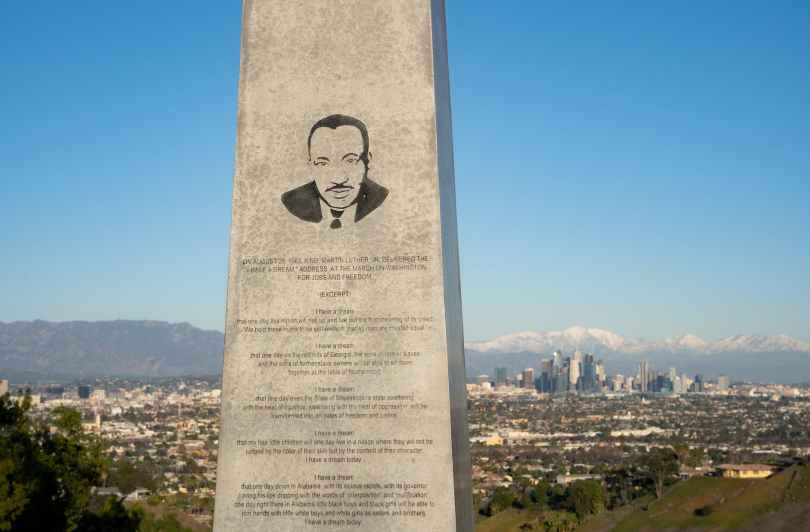
“I Have a Dream” is a famous speech delivered by Martin Luther King Jr. on August 28, 1963, during the March on Washington for Jobs and Freedom. King delivered the speech from the steps of the Lincoln Memorial in Washington, D.C. The speech is widely regarded as one of the most powerful and inspirational orations in American history.

In his speech, Martin Luther King Jr. passionately spoke about his dream of a future where people would be judged by their character and not by the color of their skin. He envisioned a nation where racial equality and justice would prevail. The famous lines “I have a dream” are repeated throughout the speech, emphasizing King’s vision for a more inclusive and harmonious society.

The speech is not only a pivotal moment in the American Civil Rights Movement but has also become a symbol of the struggle for equality and justice around the world. Martin Luther King Jr.’s dream of a more just and equal society continues to inspire people to this day.

  1. “I Have a Dream” Refrain: One of the most iconic aspects of the speech is the recurring refrain “I have a dream,” which King used to emphasize his vision for a future where racial equality and justice would prevail. The repetition of this phrase became a powerful and memorable part of the speech.
  2. Equality and Justice: King passionately spoke about his dream of a nation where individuals would not be judged by the color of their skin but by their character. He called for an end to racial discrimination and injustice, envisioning a society where everyone would have equal rights and opportunities.
  3. The “Table of Brotherhood”: King expressed his hope for a future where people of all races and backgrounds could come together in harmony. He used the metaphor of the “table of brotherhood,” where individuals from different walks of life could sit down together and work towards a shared goal of equality and justice.
  4. Quoting the Declaration of Independence: King invoked the principles of the American Declaration of Independence, emphasizing the unalienable rights of life, liberty, and the pursuit of happiness. By drawing on the nation’s founding documents, he called for these principles to be applied to all citizens, regardless of their race.
  5. The Dream of Freedom Ringing: King spoke of his dream that one day the “sons of former slaves and the sons of former slave owners” would be able to join hands and sing the words of the old Negro spiritual, “Free at last, free at last, thank God Almighty, we are free at last!” This powerful imagery conveyed his vision of a future where freedom and equality would prevail.

These highlights capture the essence of Martin Luther King Jr.’s vision for a more just and inclusive society as outlined in his “I Have a Dream” speech.