How Sri Sri Ravi Shankar Helped Bring Peace to Colombia’s 52-Year Civil War

When we think of global peace efforts, our minds often turn to politicians or diplomats. But sometimes, a spiritual leader steps in and does what others can’t. One such figure is Sri Sri Ravi Shankar, whose work in Colombia is a powerful example of how compassion, dialogue, and non-violence can bring about real change—even in a country torn apart by over five decades of war.

For 52 years, Colombia was trapped in a brutal civil conflict between the Colombian government and the Revolutionary Armed Forces of Colombia, better known as FARC. This war led to countless deaths, displacements, and deep societal wounds. While many international organizations and leaders tried to help, the road to peace was long and uncertain.

That’s when Sri Sri Ravi Shankar entered the picture—not as a politician, but as a humanitarian and spiritual leader committed to peace. His approach was simple but powerful: promoting inner peace and mutual understanding as a foundation for outer peace.

He didn’t just make public statements or write letters. He went to Colombia and met with key figures on both sides of the conflict, including former rebels and political leaders. He emphasized the importance of forgiveness, compassion, and reconciliation—values that are often missing in political negotiations but are absolutely essential for healing.

What really struck me is that his involvement wasn’t symbolic. His presence and message made a real impact. He helped shift mindsets and encouraged both sides to move past decades of hostility and mistrust. His credibility and track record of resolving conflicts in other parts of the world gave him a unique authority.

So respected was his role in the process that Sri Sri was invited to attend the formal signing of the peace agreement in 2016. That moment marked a historic milestone for Colombia—and his presence was a testament to the power of non-violent action.

This whole story reminds me that peace doesn’t always have to come through power or force. Sometimes, it takes someone with a deep sense of humanity, someone who reminds people of their shared values and aspirations. Sri Sri Ravi Shankar did just that, and Colombia is better for it.

His efforts in Colombia are a shining example of how one person, armed with compassion and conviction, can help heal a nation
Why Investing in Shadnagar, Hyderabad is a Smart Move

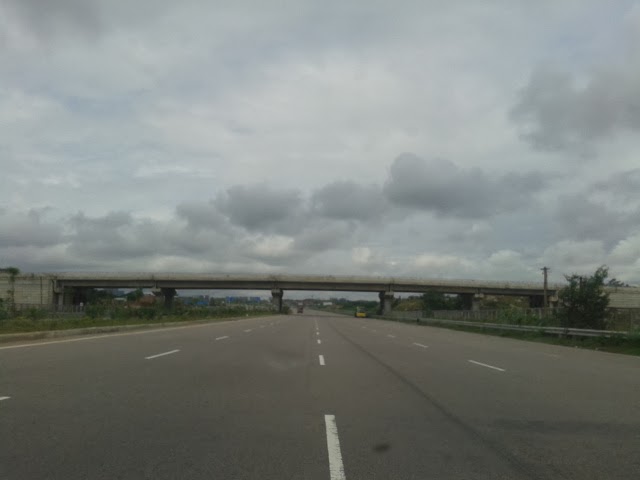
Shadnagar, located along the rapidly developing Bengaluru-Hyderabad highway, is fast emerging as a top investment destination for real estate buyers and investors. With its strategic location, growing infrastructure, and proximity to key landmarks, buying plots in Shadnagar today could mean securing a high-value asset for tomorrow.

One of the major attractions in the area is the Narsee Monjee Institute of Management Studies (NMIMS), which has brought in educational significance and steady development. Additionally, Shadnagar is just a short drive from Kanha Shantivanam, the world’s largest meditation center and headquarters of Heartfulness Institute. This spiritual hub attracts thousands of national and international visitors, adding to the region’s cultural and economic vibrancy.

The area also benefits from excellent road connectivity via the Regional Ring Road (RRR), which is set to transform commuting and logistics in the coming years. Being on the Bengaluru-Hyderabad highway (NH-44), Shadnagar offers easy access to both major metros, making it an ideal location for those seeking a balance between urban convenience and peaceful living.

Moreover, the Telangana government’s focus on developing infrastructure, IT parks, and industrial zones around Shadnagar is pushing land appreciation. The upcoming Pharma City and Amazon’s Data Center in the nearby areas further highlight the region’s potential for growth.

What makes investing in Shadnagar particularly appealing is the affordability of plots today, coupled with high future returns. As development picks up pace and demand increases, early investors stand to gain significant profits.

Whether you’re looking for residential plots, weekend getaways, or long-term investments, Shadnagar promises a blend of nature, spirituality, and connectivity — making it a smart and future-ready choice for real estate investment.

whatsapp +919100166058 email pbindu@gmail.com for further guidance on investing in Shadnagar.

Indians Joining Foreign Armies: A Rising Concern and Its Implications

Introduction

The recent revelation by India’s Ministry of External Affairs (MEA) that at least 126 Indian citizens have joined the Russian army to participate in the ongoing Russia-Ukraine war has sparked significant debate. This phenomenon raises serious legal, ethical, and diplomatic questions, especially given India’s neutral stance on the conflict. This article explores the motivations behind such decisions, the legal ramifications, and the broader geopolitical consequences.


Motivations Behind Joining Foreign Armies

  1. Economic Incentives:
    • Many individuals who enlist in foreign militaries are driven by economic hardship and the promise of financial stability. Foreign armies, particularly during active conflicts, often offer attractive compensation packages to volunteers.
  2. Ideological Alignment:
    • Some individuals may feel a deep personal connection or ideological alignment with one side in the conflict. For instance, they may perceive the conflict as a moral or cultural cause worth supporting.
  3. Recruitment Networks:
    • Reports suggest that online platforms and social media are increasingly being used to recruit foreign nationals for military service. These channels often target vulnerable individuals through propaganda and false promises.
  4. Adventure and Prestige:
    • For some, joining a foreign military represents an opportunity for adventure, recognition, or prestige that may not be achievable in their home country.

Legal Implications

  1. Violation of the Foreign Enlistment Act (1870):
    • Indian law prohibits citizens from serving in foreign militaries without government authorization. Violators may face prosecution, fines, and imprisonment upon returning to India.
  2. International Legal Concerns:
    • Participation in conflicts could place individuals at risk of violating international humanitarian laws, particularly if they become involved in war crimes or activities targeting civilians.
  3. Citizenship Risks:
    • Serving in a foreign military might jeopardize the citizenship status of individuals, depending on the laws of their home country and the host nation.

Diplomatic and Geopolitical Consequences

  1. India’s Neutrality Compromised:
    • India has maintained a neutral stance on the Russia-Ukraine war, advocating for diplomacy and dialogue. The involvement of Indian nationals in the conflict could undermine this neutrality and strain relations with Ukraine and its allies.
  2. Strained Relations with Western Nations:
    • Western countries and organizations like NATO may perceive the participation of Indian citizens in Russia’s military as indirect support for Moscow, potentially leading to diplomatic pressures on New Delhi.
  3. Impact on Bilateral Ties:
    • Ukraine, which has historically had positive relations with India, could view the actions of these individuals as hostile, affecting bilateral trade, cooperation, and goodwill.

Government’s Preventive Measures

  1. Public Awareness Campaigns:
    • The Indian government has issued advisories warning citizens against enlisting in foreign militaries and highlighting the legal consequences.
  2. Monitoring Recruitment Channels:
    • Intelligence agencies and cybercrime units are actively working to identify and dismantle online recruitment networks operating within India.
  3. Rehabilitation and Reintegration:
    • For individuals who return, the government may consider programs for legal oversight, counseling, and community reintegration to prevent recidivism and ensure national security.

Ethical and Social Challenges

  1. Impact on Families:
    • Families of individuals who join foreign militaries often face significant stigma, emotional distress, and financial burdens.
  2. Polarized Public Opinion:
    • Public perceptions of these individuals can vary widely. While some may view them as adventurers or ideologically driven, others see them as lawbreakers undermining India’s international image.

Broader Context and Global Trends

  1. The Foreign Fighter Phenomenon:
    • The recruitment of foreign nationals is not unique to this conflict. Similar trends have been observed in the Syrian Civil War, the fight against ISIS, and other international conflicts.
  2. Global Recruitment Networks:
    • Recruitment for foreign conflicts often relies on social media, targeted propaganda, and financial incentives, making it a complex issue to address globally.

Conclusion

The involvement of Indian nationals in foreign conflicts like the Russia-Ukraine war underscores the need for robust legal frameworks, effective government intervention, and international cooperation to address this issue. While individual motivations may vary, their actions carry far-reaching implications for India’s legal, diplomatic, and social landscape.

As the global community grapples with the challenges posed by foreign fighters, India must remain vigilant and proactive in safeguarding its neutrality and international standing.

Would You Notice the Signs Before It’s Too Late?

Act Before It’s Too Late: Supporting Our Loved Ones in Times of Need

In many families, it’s common to hear words of reassurance when someone is going through a rough patch in their marriage. “It’s okay, it happens in all marriages,” they say. And while it’s true that no marriage is without its challenges, there comes a point when the signs of distress should no longer be brushed aside—it becomes a red flag that demands attention.

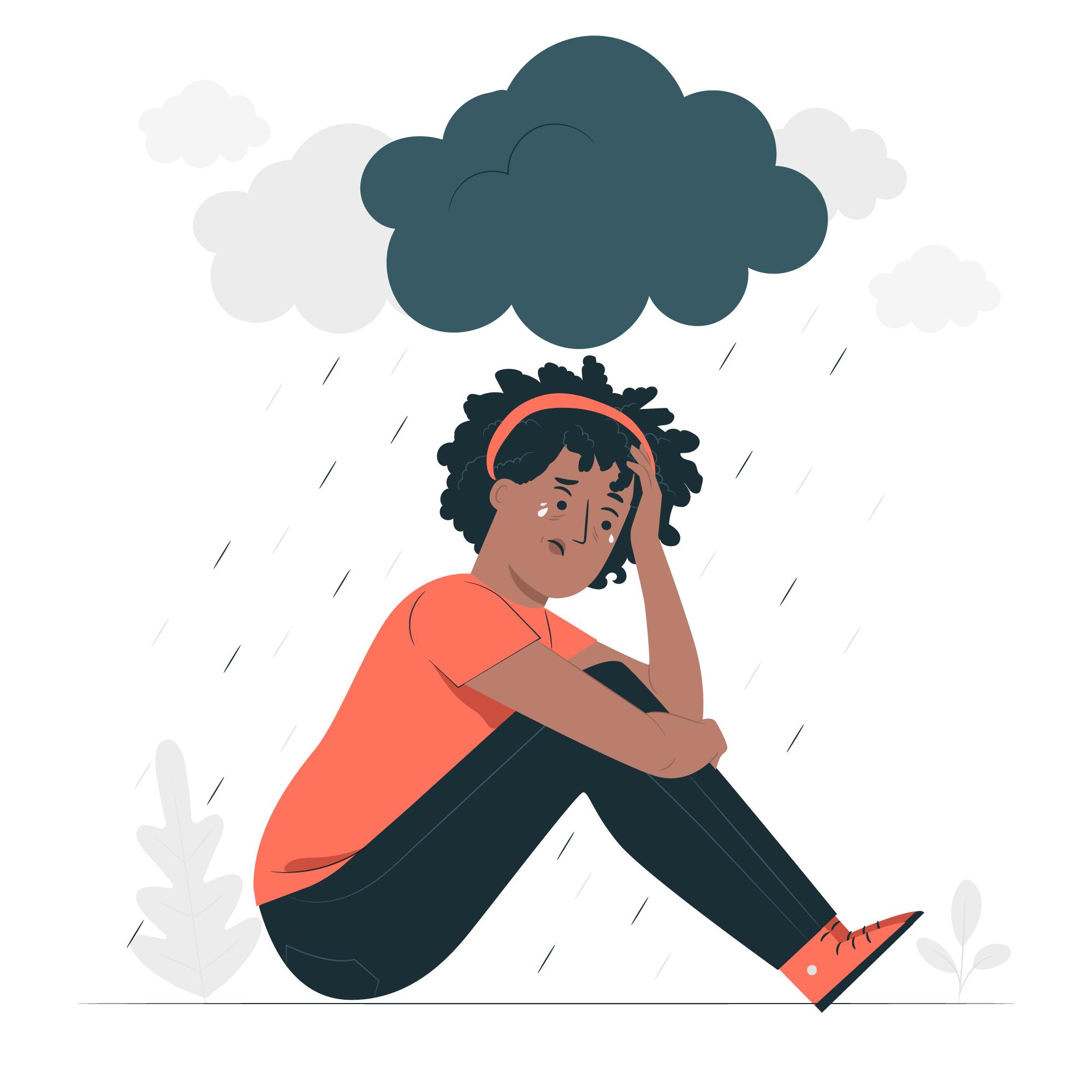
Imagine a daughter who, over the course of more than ten years, grows increasingly distant. She stops talking with family and friends, her laughter fades, and her once vibrant personality seems to dim. Those around her might notice, but often, they choose to ignore the signs, convincing themselves that things will get better on their own. They might tell themselves, “She’s just going through a phase,” or “It’s not our place to interfere.”

But what if, one day, that daughter takes an extreme step? What if she feels so lost, so unheard, and so unsupported that she decides to end her life? Suddenly, the same people who dismissed her pain are left in shock, asking themselves, “How did we not see this coming? We never thought she would do this.”

The truth is, many people do see the signs, but they choose not to act on them. Perhaps they believe it’s not their business, or they fear making things worse by intervening. But in situations like this, doing nothing is the worst thing you can do. When someone is struggling, especially over an extended period, they need more than just comforting words—they need real support, understanding, and sometimes, direct intervention.

The tragic story of Jiah Khan, a promising young actress in India, serves as a painful reminder of the consequences of prolonged unhappiness and lack of support. Jiah struggled with her mental health for years, feeling isolated and unsupported in her personal life. Despite being surrounded by people who cared for her, her cries for help went unheard or were dismissed. Sadly, Jiah took her own life in 2013, leaving behind a devastated family and countless friends who were left wondering what more they could have done.

As the renowned psychologist Carl Rogers once said, “The curious paradox is that when I accept myself just as I am, then I can change.” This acceptance doesn’t only apply to individuals struggling with their own emotions; it’s also a call for us to accept the reality of our loved ones’ distress and to act compassionately to help them through it. Ignoring someone’s prolonged unhappiness isn’t just a failure to act—it’s a failure to accept that something is deeply wrong.

We need to stop assuming that things will get better on their own. We need to stop waiting until it’s too late to show we care. When a loved one is in distress, especially if that distress has gone on for years, it’s crucial to step in, to ask questions, and to offer help. This doesn’t mean meddling or making judgments; it means being there, listening, and providing the support they need.

Mental health is a delicate issue, and prolonged unhappiness can lead to severe consequences if left unaddressed. It’s vital to create an environment where your loved ones feel safe expressing their feelings without fear of being dismissed or judged. This might mean encouraging them to seek professional help, or simply being there to listen when they need to talk.

We must remember that ignoring someone’s prolonged unhappiness is not a form of kindness; it’s a form of neglect. When someone we care about is suffering, we need to act, not just sympathize. It’s far better to be over-cautious and offer help than to stand by and do nothing until it’s too late.

In the end, the tears and the regret of those left behind won’t bring back the person they’ve lost. But what can make a difference is recognizing the signs early, offering support, and showing that you care when it truly matters. Let’s strive to be the kind of friends and family members who don’t just say, “It’s okay, it happens in all marriages,” but instead say, “I’m here for you, let’s talk about what’s really going on.”

By acting when it matters, we can help prevent tragedies and show our loved ones that they are never truly alone. Don’t wait until they’re gone to show how much you care—act now, while you still can.

Why do we celebrate Teachers Day on September 5th?

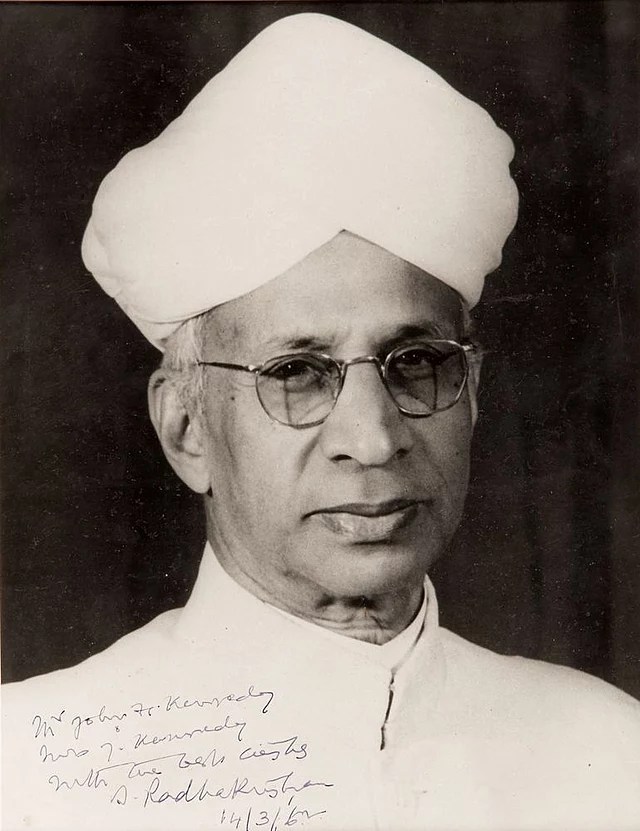
Teachers’ Day is celebrated on September 5th in India as a tribute to Dr. Sarvepalli Radhakrishnan, who was not only a renowned philosopher and scholar but also the second President of India. The significance of celebrating Teachers’ Day on his birthday lies in his own request.

Dr. Sarvepalli Radhakrishnan was born on September 5, 1888. When he became the President of India in 1962, some of his students and friends approached him and suggested that his birthday should be celebrated as a public holiday. However, Dr. Radhakrishnan, who had a deep reverence for teachers and the teaching profession, suggested that instead of celebrating his birthday, it should be observed as Teachers’ Day as a mark of respect to all teachers.

His belief was that teachers should be honored and appreciated for their contributions to society, and he wanted to emphasize the importance of teachers in shaping the future of the nation. Consequently, since 1962, September 5th has been celebrated as Teachers’ Day in India to acknowledge the hard work, dedication, and significant role that teachers play in the lives of students and in the development of the nation. It’s a day when students express their gratitude and appreciation for their teachers through various activities, ceremonies, and gestures of respect.

Always add insurance option while buying Travel Tickets

Referring to the article on ET people who were affected by the Balasore Train accident could have got some solace if they had paid the extra 35 paise as a part of insurance while buying the tickets. They would have got death benefit of 10 lakh, permanent disability 10 lakh, hospitalization coverage 2 lakh and Transportation of mortal remains INR 10,000. So this is just one example and one case.

How often do we select that insurance option while booking tickets? Now that we know about it we can definitely add this extra few paise or rupees while buying a train ticket or bus ticket. But most often for flight tickets the insurance part would be more. So we might not choose that option. But remember risk is also more while flying. So better to opt for that every time that option is there. Now we need to cross check of all the people who opted for that how many get the benefit and how soon. Because the family members might not even be aware if they had opted for that or not!! Not everyone buys tickets online. Hope Government compensates everyone affected by the accident.

Karnataka Politics – Who is Who

nameDesignationPlacePartyRemarks
D K ShivakumarDeputy Chief MinisterKanakapura / BengaluruINCIn news for Congress Win in 2023 Elections and Daring Governance
Pradeep EshwarMLAChikkaballapurINCTeacher, founder of Parishrama NEET academy 38 years old.
Tejasvi SuryaMPBangalore SouthBJPLawyer and 33 years old.
Darshan PuttannaiahMLAMelukoteSKP/INCUS entrepreneur returning to India, son of Puttannaiah

People Born on April 26th

notable people who were born on April 26th:

William Shakespear
  • William Shakespeare, English playwright and poet (1564-1616)
  • John James Audubon, American ornithologist and artist (1785-1851)
  • Ludwig Wittgenstein, Austrian-British philosopher (1889-1951)
  • Harper Lee, American novelist (1926-2016)
  • Carol Burnett, American actress and comedian (born 1933)
  • Jet Li, Chinese actor and martial artist (born 1963)
  • Channing Tatum, American actor and dancer (born 1980)
  • Melania Trump, former First Lady of the United States (born 1970)
  • Kevin James, American actor and comedian (born 1965)
  • Marcus Aurelius, Roman emperor and philosopher (121-180 AD)

Event – IIT KANPUR ALUMNI MEET AT NOIDA

You with your family & friends are most cordially invited for Fun Filled IITK Alumni Annual Chat Party

Date & time: Sunday 19th March 2023 from 5.00 PM to 9.00 PM
Venue: IIT Kanpur Extension Center, Sector 62, Noida- G- Map – https://goo.gl/maps/sa8vZgKknAGxP5m6A

Sankranti ellu from Amazon

Sankranti Ellu Bella

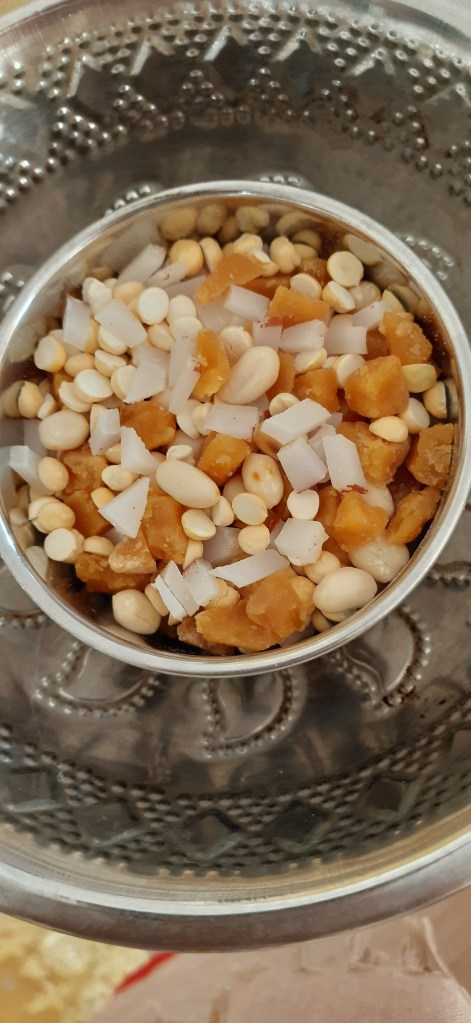
In Karnataka its a custom to eat Ellu Bella which means Sesame Seeds and Jaggery ( a type of sugar) during sankranti festival. We also prepare it and share with all friends and family. It takes time to prepare at home. But here amazon was at rescue this time. Its easily available in stores in Karnataka during the season but as I am in Hyderabad I was missing the ellu bella. But Amazon was at rescue. Delighted to find Ellu Bella on amazon. You can also order it and taste it. Its all good for the winter weather. So grab it before Summer starts.

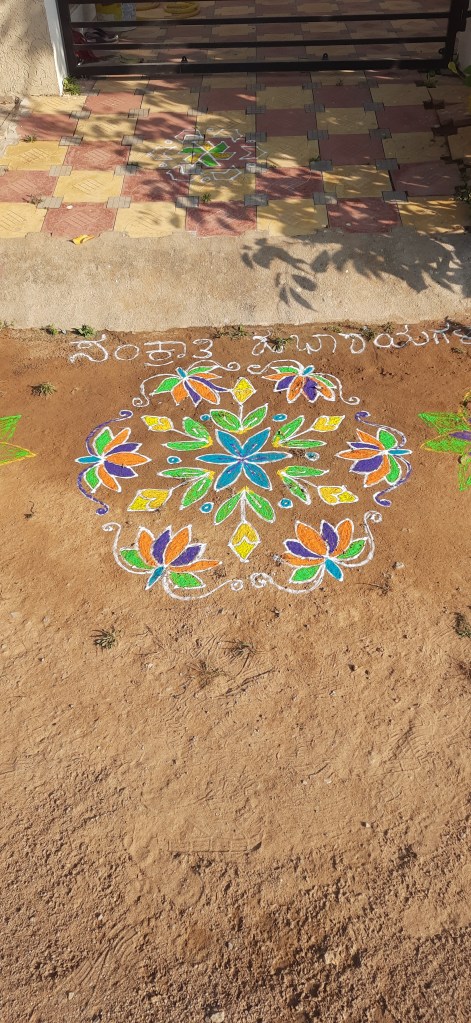
Sankranti Rangoli