Hello, my name is Bindumadhavi and I am passionate about blogging. In today's fast-paced world, it can be difficult to connect with others who share our interests and values. That's why I believe blogging is such a blessing - it allows us to express ourselves freely and connect with like-minded individuals from all over the world. Whether we're sharing our thoughts, experiences, or creative endeavors, blogging gives us a platform to connect, learn, and grow. I feel grateful to be a part of this community and I look forward to continuing to share my voice through my blog.
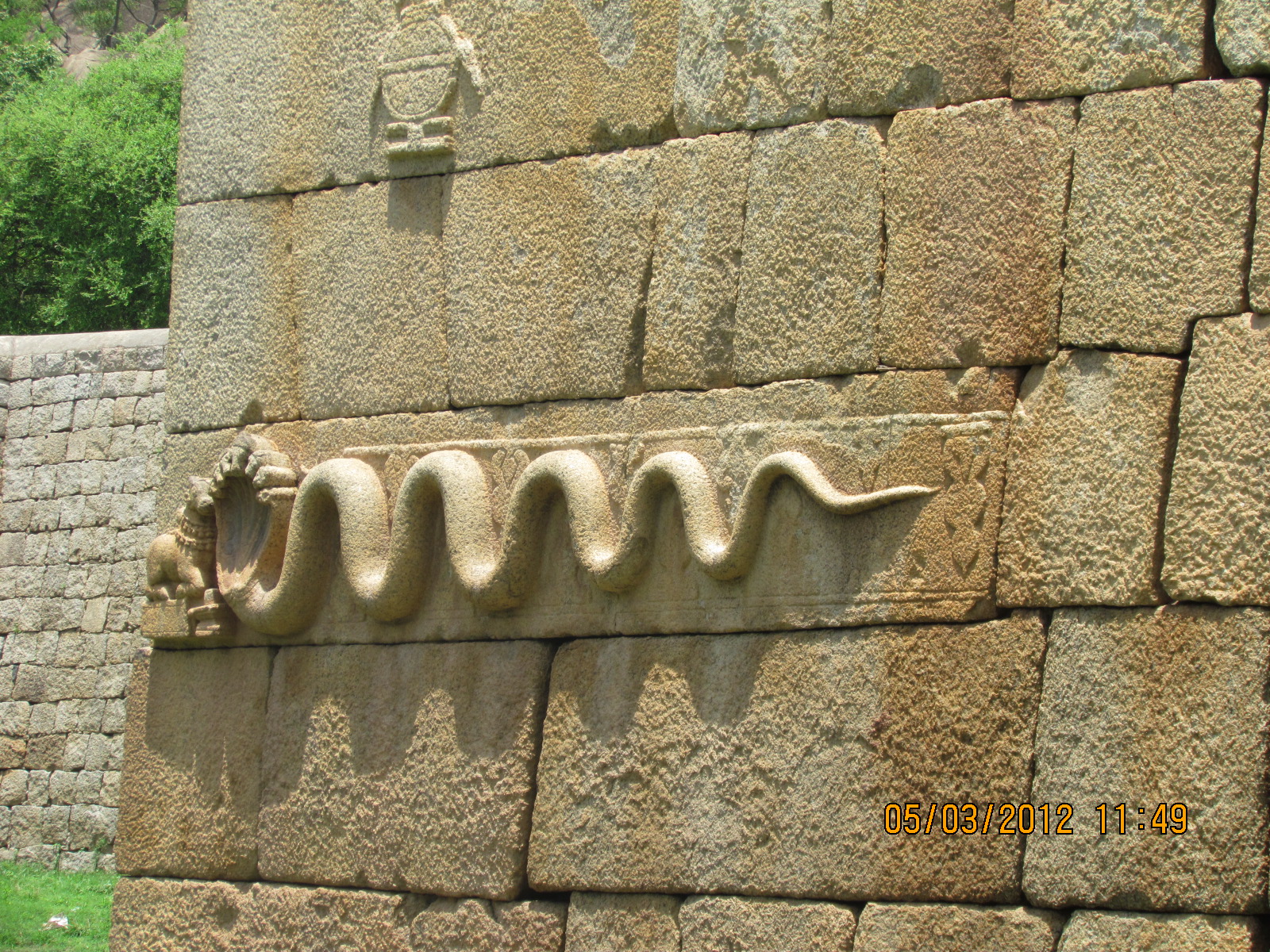
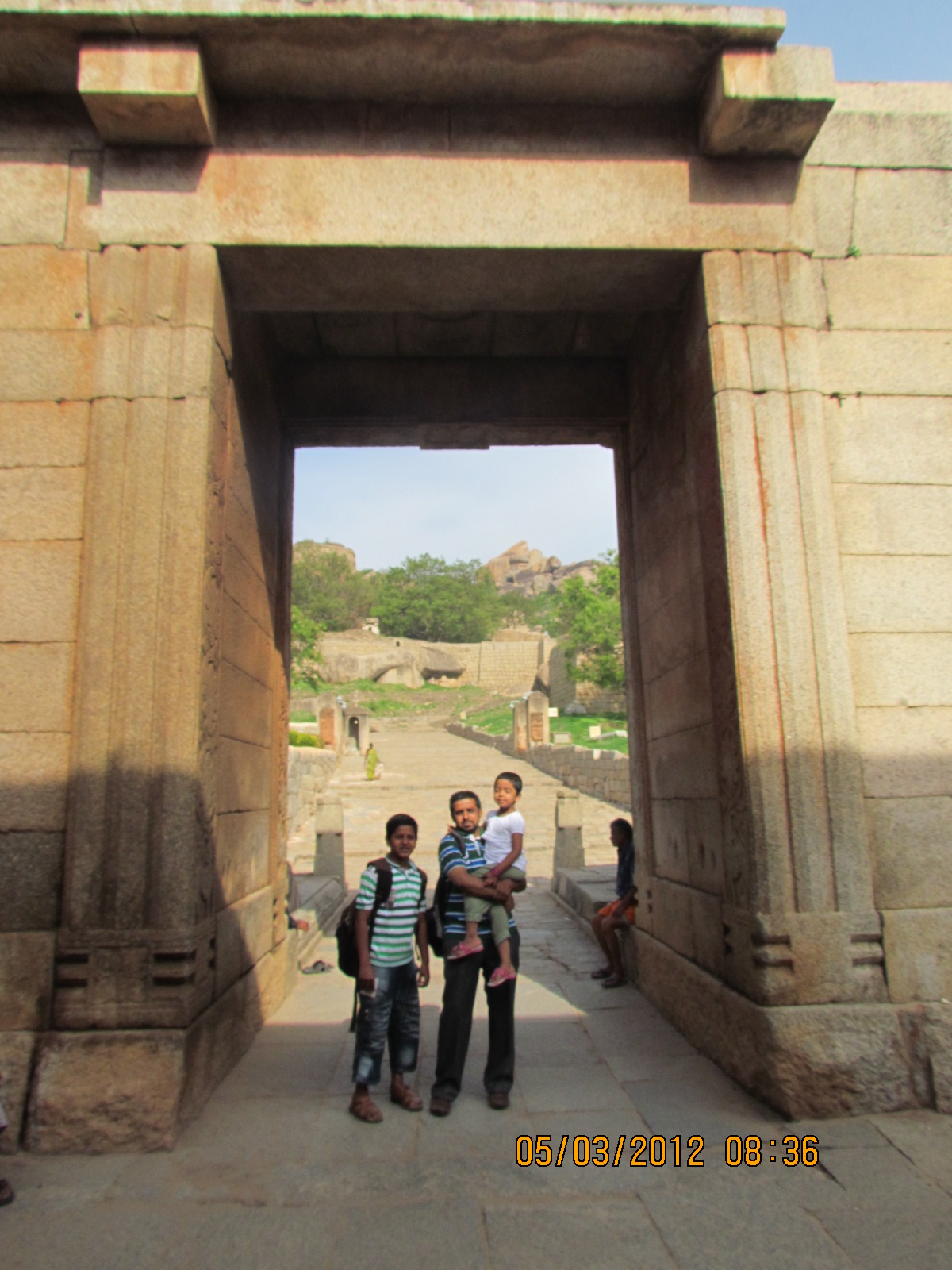
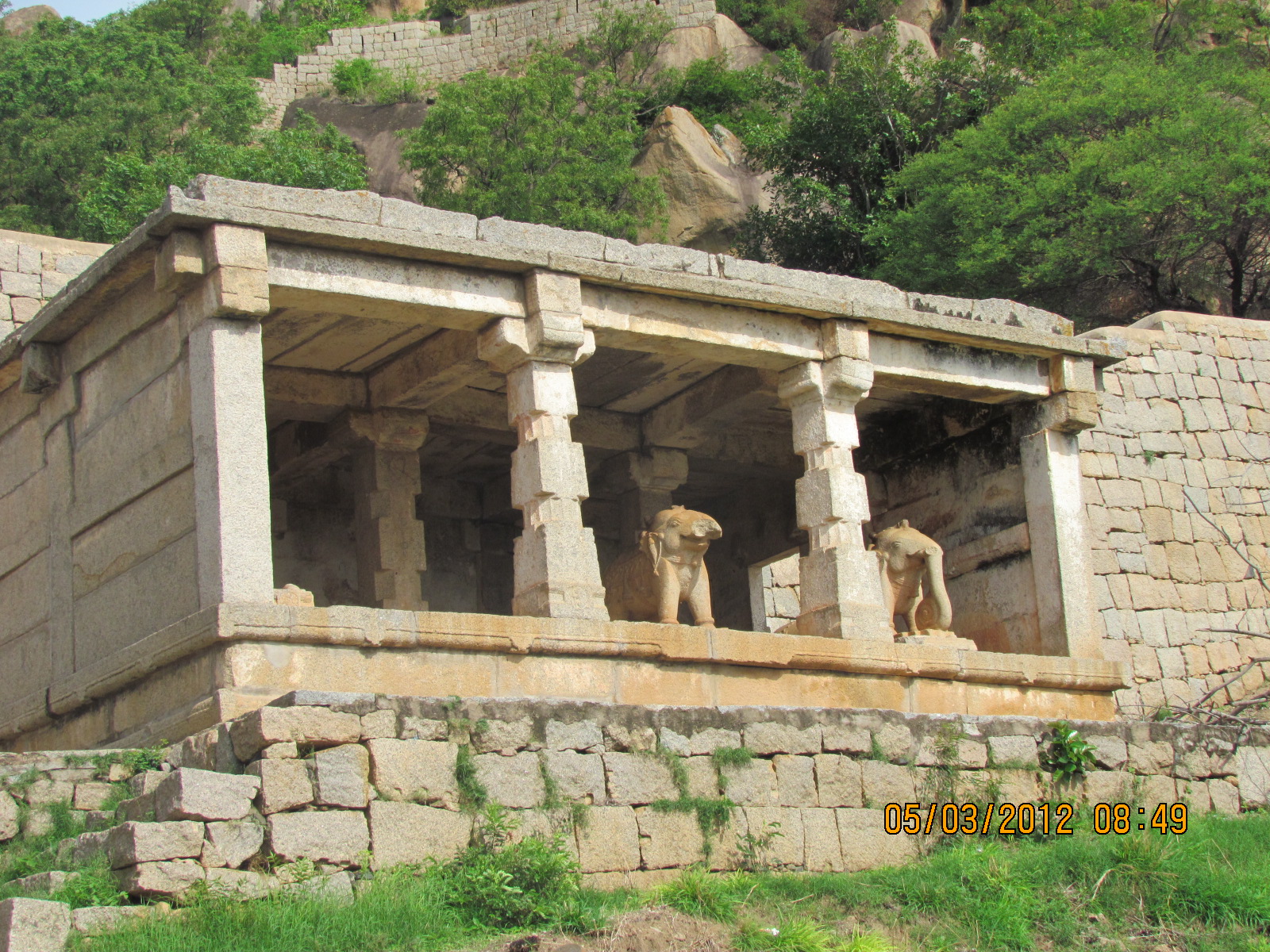
Chitradurga Fort: This historic fort, built in the 17th century, is the most popular attraction in Chitradurga. The fort is known for its impressive architecture and engineering, and it is also associated with the legend of Onake Obavva.
Chandravalli Cave Temple: This ancient cave temple, located about 3 km from Chitradurga, dates back to the 2nd century BC. The temple is known for its unique architecture and carvings.
Vani Vilas Sagar Dam: This is a beautiful dam built on the Vedavathi River, about 30 km from Chitradurga. The dam is surrounded by scenic hills and offers boating and other water activities.
Jogimatti Forest: This is a scenic forest area located about 20 km from Chitradurga. The forest is known for its wildlife, including leopards, bears, and various species of birds.
Ankali Mutt: This is a popular pilgrimage site located about 25 km from Chitradurga. The mutt is known for its unique architecture and spiritual significance.
Chitradurga has been ruled by various dynasties and rulers throughout history. Some of the most notable rulers who have ruled Chitradurga include:
Palegars of Chitradurga: The Palegars were the native rulers of Chitradurga who ruled the region from the 15th century until the 18th century. They were known for their bravery and military prowess and played a significant role in defending the region from the attacks of neighboring kingdoms.
Hyder Ali and Tipu Sultan: The Mysore rulers, Hyder Ali and his son Tipu Sultan, conquered Chitradurga in the late 18th century. They were known for their military campaigns and strategic alliances with other kingdoms.
Marathas: The Marathas also had a brief period of rule in Chitradurga during the 18th century. They established their presence in the region by forming alliances with the Palegars.
British East India Company: The British East India Company took control of Chitradurga after defeating Tipu Sultan in the Fourth Anglo-Mysore War in 1799. The region became a part of British India and was administered by the Madras Presidency until India gained independence in 1947.
Yana is a small village located in the Uttara Kannada district of the state of Karnataka, India. It is situated in the Sahyadri mountain range of the Western Ghats and is known for its unique rock formations and natural beauty. The village is located around 60 km from the town of Kumta and around 150 km from the city of Mangalore. The nearest railway station is at Kumta, and the nearest airport is at Mangalore. The village is accessible by road and is a popular destination for trekking, rock climbing, and nature lovers. The two famous rock formations in Yana are the Bhairaveshwara Shikhara and the Mohini Shikhara, which are around 120 meters and 90 meters high, respectively. The village is also known for its ancient temple dedicated to Lord Shiva, which is located at the base of the Bhairaveshwara Shikhara rock formation.
Murdeshwar is a small town located in the Uttara Kannada district of the Indian state of Karnataka. It is situated on the coast of the Arabian Sea and is known for its famous Murdeshwar Temple, which is dedicated to Lord Shiva. The town is located around 160 km from the city of Mangalore and around 475 km from the state capital, Bangalore. Murdeshwar is famous for its temple and the 123-feet tall statue of Lord Shiva, which is one of the tallest statues of Lord Shiva in the world. The statue is located on a small hill called Kanduka Giri and is visible from a distance. The temple complex also includes a huge gopuram (tower) at the entrance and several smaller shrines dedicated to other deities. Apart from the temple, Murdeshwar is also known for its beautiful beach, which is situated near the temple complex. The beach is clean and well-maintained, and is a popular destination for tourists. The town also has several other attractions, including the Netrani Island, which is a popular destination for scuba diving and snorkeling.
Gokarna: Gokarna is a popular pilgrimage site located on the coast of the Arabian Sea. It is known for its ancient temples, pristine beaches, and scenic beauty.
Jog Falls: Jog Falls is one of the highest waterfalls in India, located in the dense forest of the Western Ghats. It is a popular destination for nature lovers and adventure enthusiasts.
Karwar: Karwar is a coastal city known for its beautiful beaches, temples, and historic forts. It is also known for its seafood and water sports.
Anshi National Park: Anshi National Park is a protected area in the Western Ghats known for its diverse flora and fauna. It is a popular destination for wildlife enthusiasts and nature lovers.
Dandeli: Dandeli is a town known for its wildlife sanctuary, adventure sports, and natural beauty. It is a popular destination for trekking, camping, and white-water rafting.
Sirsi: Sirsi is a town known for its historic temples, waterfalls, and natural beauty. It is a popular destination for tourists and pilgrims.
Beaches near Uttara Kannada District
Uttara Kannada district is known for its beautiful beaches along the Arabian Sea coast. Here are some of the popular beaches in and around Uttara Kannada district:
Gokarna Beach: Gokarna Beach is a popular beach located in the town of Gokarna. It is known for its serene and peaceful atmosphere, clear blue waters, and pristine white sand. It is a popular destination for swimming, sunbathing, and water sports.
Murudeshwar Beach: Murudeshwar Beach is located in the town of Murudeshwar and is known for its beautiful views of the Arabian Sea, the towering statue of Lord Shiva, and the Murudeshwar Temple.
Om Beach: Om Beach is a scenic beach located near Gokarna. It is named after its shape, which resembles the Om symbol of Hinduism. The beach is surrounded by lush green hills and is a popular destination for swimming, sunbathing, and water sports.
Kudle Beach: Kudle Beach is another popular beach located near Gokarna. It is known for its golden sand, clear blue waters, and stunning sunsets. It is a popular destination for surfing, swimming, and sunbathing.
Half Moon Beach: Half Moon Beach is a secluded beach located near Gokarna. It is accessible only by boat or a short trek through the jungle. It is known for its tranquil atmosphere, clear blue waters, and beautiful scenery.
Karwar Beach: Karwar Beach is a popular beach located in the town of Karwar. It is known for its clear blue waters, soft sand, and stunning sunsets. It is a popular destination for swimming, sunbathing, and water sports.
Devbagh Beach: Devbagh Beach is located near Karwar and is known for its natural beauty, clear blue waters, and stunning scenery. It is a popular destination for swimming, sunbathing, and water sports.
Temples in Uttara Kannada District
Mahabaleshwar Temple, Gokarna: The Mahabaleshwar Temple is a famous temple dedicated to Lord Shiva located in the town of Gokarna. It is one of the most important pilgrimage sites in the district and attracts a large number of devotees every year.
Kollur Mookambika Temple: The Kollur Mookambika Temple is a popular temple dedicated to the goddess Mookambika. It is located in the village of Kollur and is one of the most visited temples in the district.
Idagunji Ganapati Temple: The Idagunji Ganapati Temple is a famous temple dedicated to Lord Ganesha located in the village of Idagunji. It is one of the most visited temples in the district.
Ulavi Channabasaveshwara Temple: The Ulavi Channabasaveshwara Temple is a popular temple dedicated to Lord Shiva. It is located in the town of Ulavi and is known for its beautiful architecture and spiritual significance.
Mahaganapati Temple, Anegudde: The Mahaganapati Temple is a popular temple dedicated to Lord Ganesha located in the village of Anegudde. It is one of the seven sacred places in the district and attracts a large number of devotees every year.
Shri Vinayaka Temple, Sirsi: The Shri Vinayaka Temple is a famous temple dedicated to Lord Ganesha located in the town of Sirsi. It is known for its beautiful architecture and spiritual significance.
Shri Mallikarjuna Temple, Kodachadri: The Shri Mallikarjuna Temple is a popular temple located on the Kodachadri hill in the district. It is dedicated to Lord Shiva and attracts a large number of devotees every year.
Major Rivers of Uttara Kannada District
Kali River: The Kali River is the major river that flows through Uttara Kannada district. It originates in the Western Ghats and flows into the Arabian Sea.
Sharavathi River: The Sharavathi River is another major river that flows through Uttara Kannada district. It originates in the Western Ghats and flows into the Arabian Sea.
Gangavalli River: The Gangavalli River is a tributary of the Sharavathi River and flows through Uttara Kannada district.
Aghanashini River: The Aghanashini River is a beautiful river that flows through the district and is known for its scenic beauty.
Bedti River: The Bedti River is another important river that flows through Uttara Kannada district.
What’s Cooking in Uttara Kannada District of Karnataka?
Kotte Kadubu: Kotte Kadubu is a traditional steamed rice dumpling dish that is popular in Uttara Kannada. It is made by stuffing rice flour and coconut into a cone-shaped leaf and steaming it.
Neer Dosa: Neer Dosa is a popular rice crepe that is a staple breakfast item in Uttara Kannada. It is made by grinding soaked rice into a fine batter and then cooking it on a griddle.
Goli Baje: Goli Baje is a popular snack in Uttara Kannada made from a mixture of maida (all-purpose flour), curd, and spices. The mixture is then shaped into small balls and deep-fried until golden brown.
Tambuli: Tambuli is a unique dish made from curd, coconut, and spices. It is a traditional dish that is commonly served with rice in Uttara Kannada.
Kotte Rotti: Kotte Rotti is a delicious pancake-like dish made from rice flour and coconut. It is cooked on a banana leaf and is a popular breakfast item in the district.
Seafood: Uttara Kannada district is located on the coast and is known for its fresh and delicious seafood. Some of the popular seafood dishes in the district include fish fry, fish curry, and prawn fry.
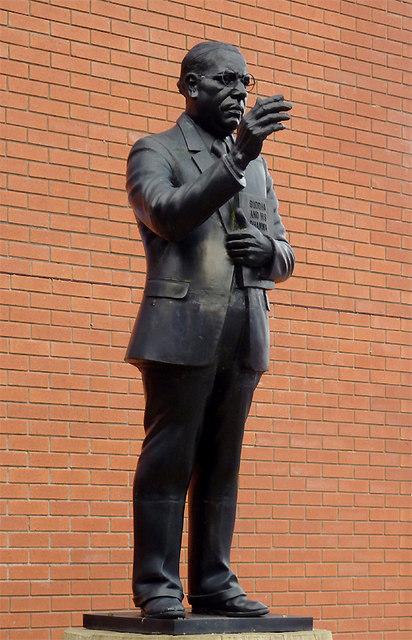
Babasaheb Ambedkar was a staunch advocate for women’s rights and worked throughout his life to promote gender equality and protect the rights of girls and women. He recognized that women in India faced multiple forms of oppression and discrimination, including patriarchal attitudes, social customs, and legal barriers.
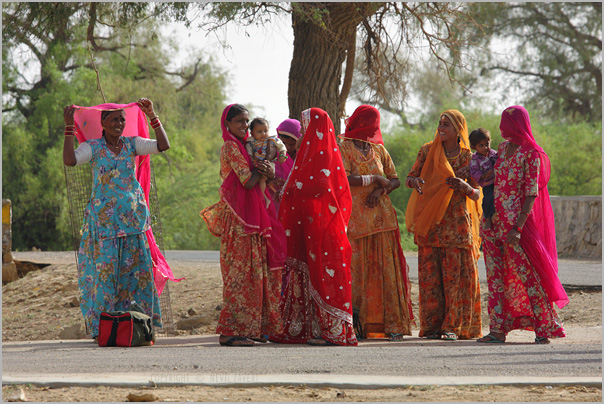
Women in – jaisalmer – rajasthan – india
One of the most significant contributions that Ambedkar made towards protecting the rights of girls was through his work on the Hindu Code Bill. The bill was a comprehensive piece of legislation aimed at reforming Hindu personal law, which governed issues such as marriage, divorce, and inheritance. Ambedkar recognized that the existing laws discriminated against women, particularly in matters related to property rights and divorce.
He worked tirelessly to draft and pass the Hindu Code Bill, which included provisions for women’s rights such as the right to own property, the right to seek divorce on certain grounds, and the right to inheritance. The bill faced strong opposition from conservative Hindu groups, who argued that it went against traditional Hindu values and customs. However, Ambedkar persevered and ultimately succeeded in getting the bill passed in parliament in 1955.
In addition to his work on the Hindu Code Bill, Ambedkar was a vocal advocate for women’s education and empowerment. He believed that education was essential for girls to break free from the cycle of poverty and oppression, and he worked to establish schools and colleges for girls across the country. He also advocated for the provision of scholarships and other forms of financial assistance to make education accessible to all girls, regardless of their socio-economic background.
Overall, Ambedkar’s work on women’s rights was an important step towards promoting gender equality and protecting the rights of girls and women in India. His vision of a just and equal society included the full participation and empowerment of women, and his contributions towards achieving this goal continue to inspire us today.
References
Chitnis, K. (1994). Ambedkar on Women’s Rights. Economic and Political Weekly, 29(52), WS5-WS9. Retrieved from https://www.jstor.org/stable/4401325
In India, the process for obtaining permanent residency is called the Overseas Citizen of India (OCI) scheme. The OCI scheme provides foreign nationals of Indian origin with the right to live and work in India without the need for a visa.
To be eligible for the OCI scheme, the applicant must meet the following criteria:
The applicant must be a foreign national of Indian origin or a spouse of a foreign national of Indian origin.
The applicant must have held an Indian passport at any time, or their parent or grandparent must have been a citizen of India.
The applicant must not be a citizen of Pakistan or Bangladesh.
To apply for OCI, the applicant must follow these steps:
Submit an online application: The applicant must submit an online application through the OCI website and upload all required documents.
Pay the fee: The applicant must pay the fee for OCI application processing.
Submit the application: After completing the online application and paying the fee, the applicant must submit the application to the designated office.
Provide biometrics: The applicant must provide biometric data, including fingerprints and photographs, at the designated office.
Wait for processing: The application processing time for OCI is generally 4-6 weeks, but it may vary depending on the Indian embassy or consulate where the application is submitted.
Once the OCI application is approved, the applicant will receive an OCI card, which serves as proof of their permanent residency status in India. The OCI card is valid for the lifetime of the holder and provides many of the same rights and privileges as Indian citizens, except for the right to vote, hold public office, and purchase agricultural land.
Was delighted to see Baklava in Sarath City Capital Mall, Hyderabad. So just tried the three options recommended by the shop keeper.
Mamul Math 1 piece – INR 190
Baklava Special 1 Piece – INR 167
Blueberry Kunafa Small – INR 366
Not really sure how did he do pricing calculation because the most delicious one was either mamul math or Baklava Special You can refer to the images ( will be uploaded soon)
Ingredients of Baklava
Phyllo dough – thin sheets of dough made from flour and water
Nuts – typically chopped walnuts, pistachios, or almonds
Butter or oil – for brushing the phyllo dough layers
Sugar or honey – for sweetening the pastry and making the syrup
Water – for making the syrup
Lemon juice – for balancing the sweetness of the syrup (optional)
Spices – such as cinnamon, cardamom, or cloves, for flavoring the nut filling (optional)
Some recipes may also include additional ingredients like rose water, orange blossom water, or vanilla extract to enhance the flavor of the pastry.
The history of baklava is somewhat disputed, as it is believed to have originated in the Middle East or Mediterranean region, but its exact origins are not clear. Some sources suggest that the dessert was first created in the Assyrian Empire around the 8th century BC, while others attribute its creation to the Ottoman Empire in the 15th century.
Regardless of its origins, baklava quickly became a popular dessert throughout the Middle East and Mediterranean, and it has been enjoyed by people in these regions for centuries. The dessert is often associated with special occasions and celebrations and is traditionally served during religious holidays like Eid al-Fitr and Easter.
As trade routes opened up between the Middle East and Europe, baklava also spread to other parts of the world, and today it is enjoyed in many countries across the globe. Its popularity can be attributed to its delicious taste and unique texture, which combines crispy layers of phyllo dough with a sweet, nutty filling.
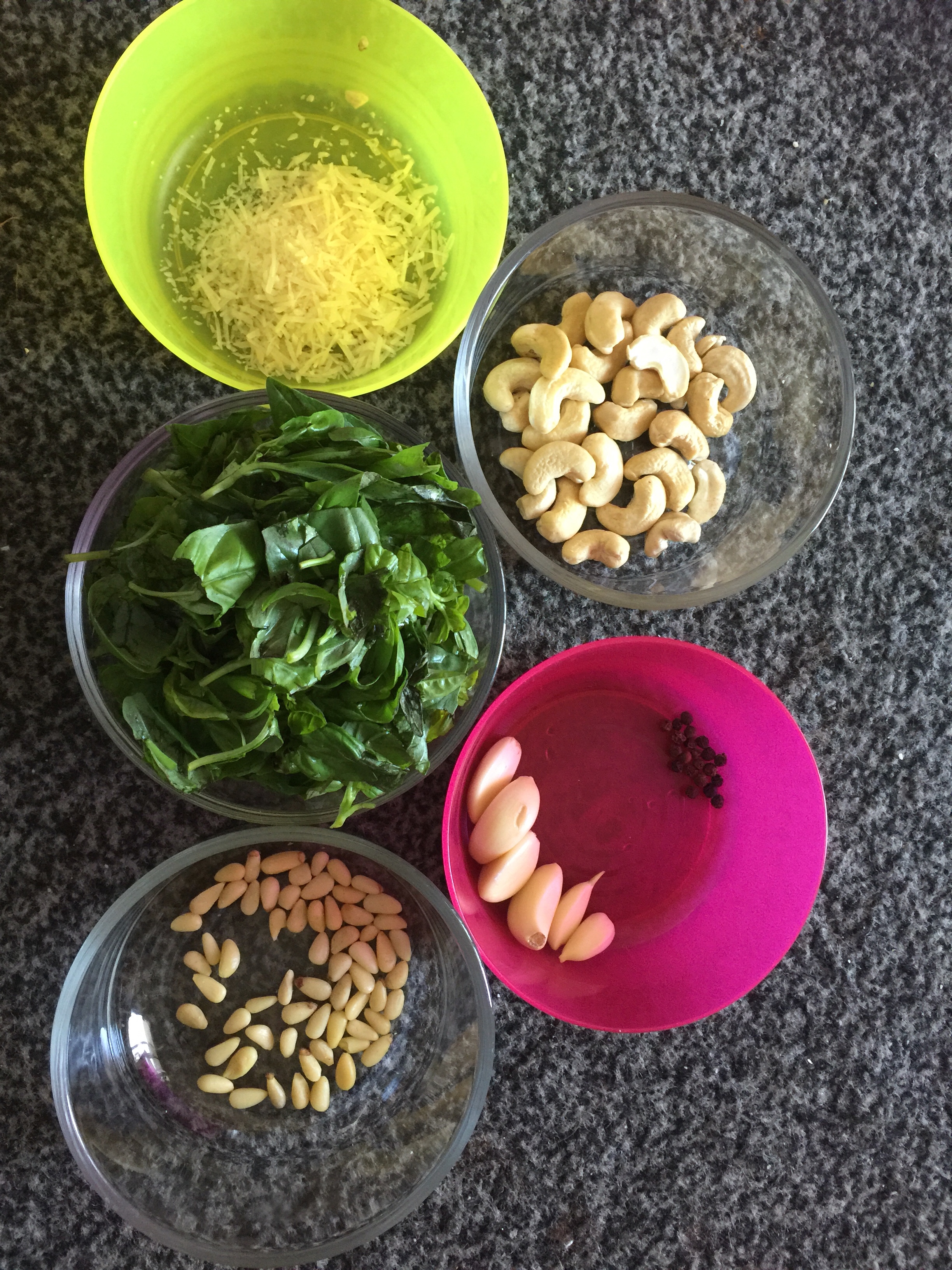
Few days back I found fresh basil and parsley leaves in a Indian grocery store. I was so tempted to buy it. So I bought it first and then started thinking where to use it. I knew I could put it in pasta. So I made pasta and added basil and parsley. But I still had more leaves and I would get bored if I cook pasta everyday. Of course my daughter loves my pasta and she won’t get bored of it even if I cook everyday.
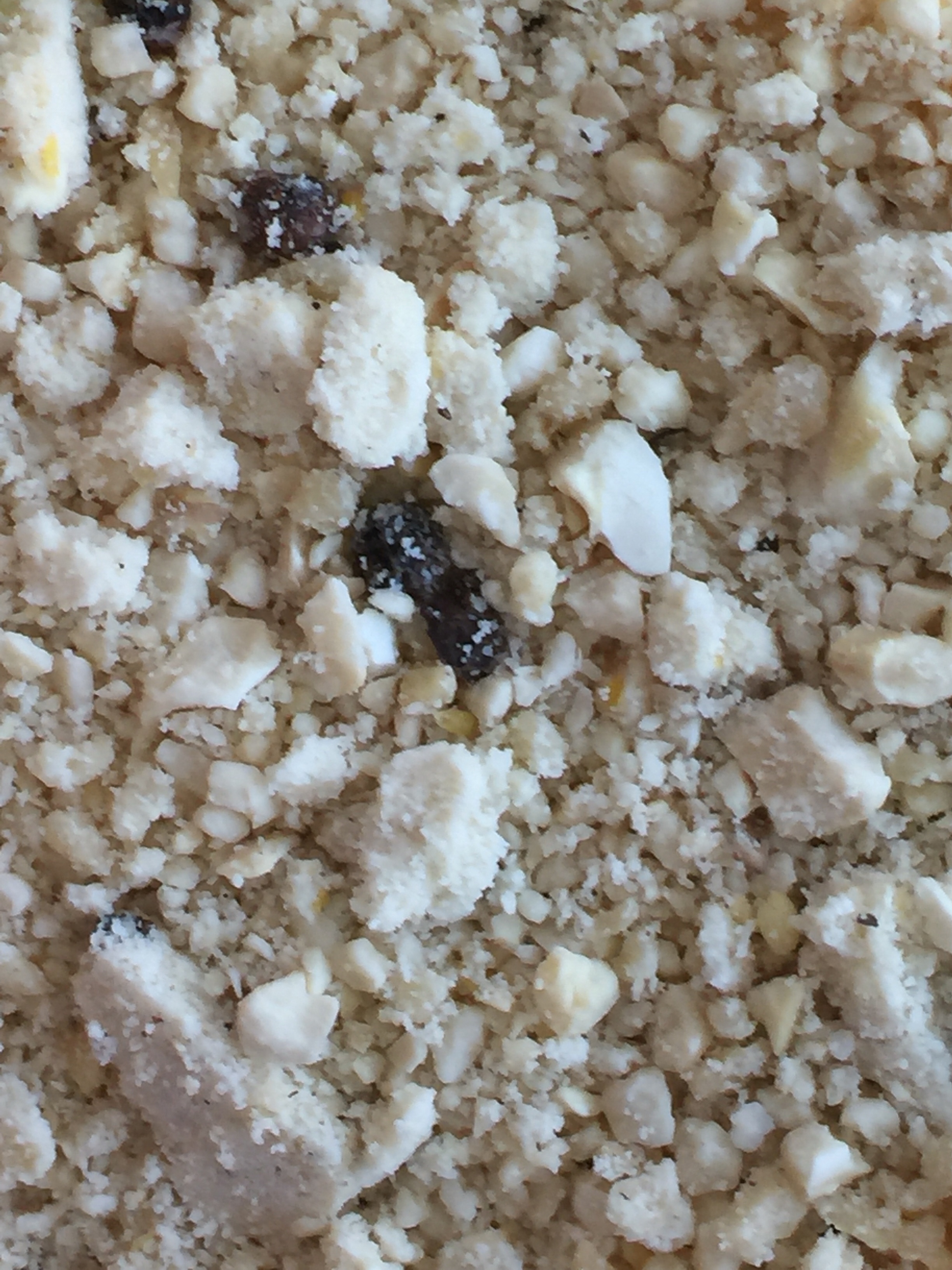
Next thing I found was basil pesto sauce recipe by vahchef. First time I made without pine nuts and next time I got pine nuts and made with that. I was not really sure we would like it because we add parmesan cheese and none of us are really fans of parmesan cheese. But to our astonishment it came out so well and…










 Lets Talk - bindumadhavi.online