Playing in Sand and Mud is good for kids

Watching my little son, Amogh, at the age of 5, playing in the sand brings immense joy. Amogh dives into the soft grains with enthusiasm, creating a world of his own. The simple act of scooping and molding the sand becomes a delightful adventure for him.

In his small hands, the sand becomes a canvas for imagination, as he molds castles and shapes with unbridled creativity. Amogh’s laughter echoes in the air, a soundtrack to his carefree moments in the sandbox. His tiny fingers explore the texture, and his face lights up with excitement, discovering the wonders hidden within the grains.

As a parent, witnessing Amogh’s playtime in the sand is not just about fun; it’s a glimpse into his world of discovery and exploration. It’s a reminder of the beauty found in the simplicity of childhood, where every grain of sand holds the potential for endless joy and wonder.

In these moments, Amogh’s play in the sand becomes a cherished chapter in the story of his early years, a time filled with innocence, laughter, and the pure delight of being a carefree 5-year-old.

Amazon Great Republic Day sale

Get Prime Early access deals here - early access deals

Dont know what to gift? Send e-gift cards – E-Gift Cards

Checkout Republic Day sale – All deals

Hope these links are helpful to you. These links are not sponsored but if you buy product through this link I might get commission as amazon associate.

HAPPY REPUBLIC DAY 2024

Best Educational Toys for Kids

Educational toys

The Smartivity Mega Science Kit is an engaging and educational resource designed for young minds, providing an exciting exploration into the world of chemistry. Tailored for boys and girls aged 6 to 14, this comprehensive kit offers 135 captivating chemistry experiments. With a focus on safety, this Kids Safe Science Kit ensures a secure environment for children to delve into STEM education while having fun. Ideal as a birthday gift, the kit sparks curiosity and fosters a love for learning in children aged 6-8-10-12. The Mega Science Kit is a hands-on experience that not only entertains but also educates, encouraging critical thinking and problem-solving skills. This innovative toy is a perfect blend of entertainment and learning, making it an excellent choice for parents and educators who seek to nurture a child’s interest in science from an early age.

The ButterflyEdufields 20+ Science Kit for Kids is an enriching and educational resource that serves as an exceptional birthday gift for both boys and girls aged 7-8-10-12. This STEM-focused kit is designed to inspire curiosity and creativity in young minds through do-it-yourself (DIY) educational and learning experiments. With a variety of engaging activities, the kit allows kids to explore science concepts while building 20+ motor machines. The projects are tailored to be age-appropriate, providing a hands-on experience that encourages a love for learning. This innovative and interactive toy not only entertains but also contributes to the development of essential skills such as problem-solving and critical thinking. The ButterflyEdufields Science Kit is a perfect blend of fun and education, making it an ideal choice for parents and educators who aim to support children’s learning and exploration in the fields of science and technology.

The PlayShifu STEM Toy Math Game, known as Plugo Count, offers an engaging and educational experience for children aged 4-8. It is a comprehensive kit that seamlessly integrates physical and digital learning through a combination of a physical kit and an interactive app featuring five engaging math games. This educational toy is designed as an ideal birthday gift, encouraging learning in a fun and entertaining manner. The story-based learning approach captivates young minds, making the educational experience more enjoyable. Plugo Count is specifically tailored for children in the 4-8 age group, ensuring that the content and activities are age-appropriate. The kit’s compatibility with tablets and mobile devices enhances accessibility and enables a dynamic learning environment. By combining storytelling with interactive math games, PlayShifu’s STEM Toy Math Game not only imparts mathematical skills but also promotes creativity, critical thinking, and problem-solving in an exciting and technology-enhanced way.

#amazonassociate #commisionearnedonpurchase

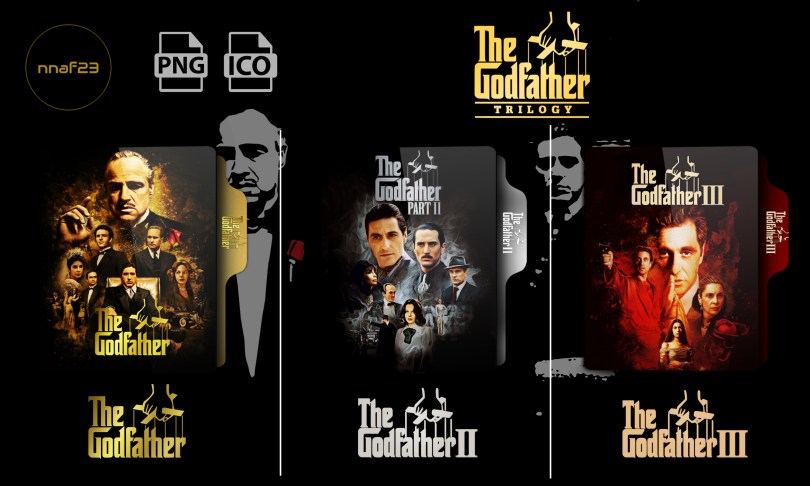
God father movies

Friday Movies – God Father

The Godfather: A Cinematic Masterpiece that Stands the Test of Time

The Godfather is undeniably a cinematic masterpiece that has stood the test of time. Its impact on the film industry is immeasurable, and its influence can still be felt today. From its compelling storytelling to its unforgettable performances, The Godfather has secured its place as one of the greatest films ever made. The meticulous attention to detail, exceptional direction, and exceptional performances by the cast, including Marlon Brando and Al Pacino, have all contributed to its enduring legacy. With its gripping narrative, iconic scenes, and memorable quotes, The Godfather continues to captivate audiences and remains a true classic in the realm of cinema.

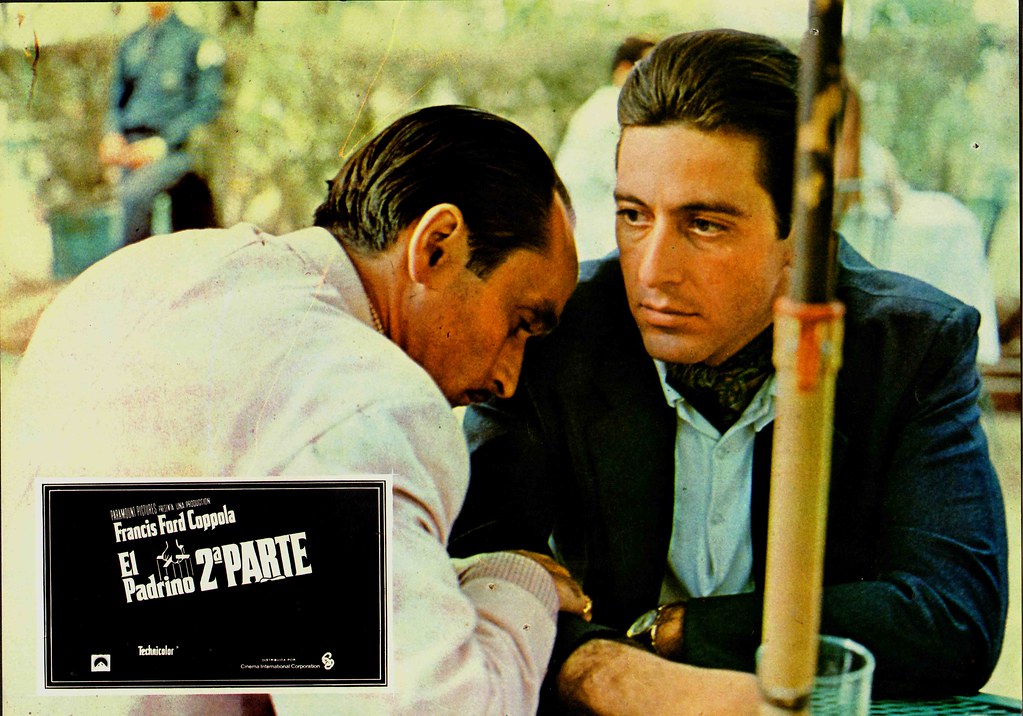
god father Movie, actor al pacino

“The Godfather,” directed by Francis Ford Coppola and released in 1972, is a cinematic masterpiece that has left an indelible mark on the world of film. Based on the novel by Mario Puzo, the movie transcends the crime genre, becoming a timeless exploration of power, family, and the American Dream.

watch it here – https://amzn.to/3RNQ7qc

Plot Summary: Set in post-World War II America, “The Godfather” revolves around the powerful Corleone crime family, led by patriarch Vito Corleone, played by the legendary Marlon Brando. The story delves into the complexities of organized crime, power struggles, and the consequences of choosing a life of crime.

Key Themes:

  1. Family and Loyalty: At its core, “The Godfather” is a story about family. The Corleones, while deeply involved in illegal activities, prioritize loyalty and honor within their close-knit circle. The intricate dynamics of the family provide a rich backdrop for the narrative.
  2. Power and Corruption: The film explores the corrupting influence of power and the lengths individuals will go to maintain or expand their influence. Vito Corleone’s iconic line, “I’m gonna make him an offer he can’t refuse,” epitomizes the manipulative power plays that drive the narrative.
  3. American Dream: “The Godfather” reflects on the immigrant experience in America and the pursuit of the American Dream. The Corleones, initially outsiders, navigate societal challenges and establish themselves as a formidable force, embodying the dark side of the American Dream.
  4. Cinematic Excellence: Francis Ford Coppola’s directorial prowess is evident in every frame of “The Godfather.” The film’s use of chiaroscuro lighting, memorable cinematography, and Nino Rota’s haunting score contribute to its status as a cinematic masterpiece.

Impact and Legacy: “The Godfather” not only received critical acclaim upon its release but also became a cultural phenomenon. It won three Academy Awards, including Best Picture and Best Actor for Marlon Brando. The film’s impact on popular culture is enduring, with iconic quotes, characters, and scenes referenced in various forms of media.

Sequels: The success of “The Godfather” led to two equally acclaimed sequels, “The Godfather Part II” (1974) and “The Godfather Part III” (1990). The sequels expanded upon the themes introduced in the original, further solidifying the trilogy’s place in cinematic history.

“The Godfather” features a stellar ensemble cast, and here are some of the main characters along with the actors who portrayed them:

  1. Vito Corleone (The Godfather) – Marlon Brando: Marlon Brando gives a legendary performance as Vito Corleone, the patriarch of the Corleone crime family. His portrayal earned him the Academy Award for Best Actor.
  2. Michael Corleone – Al Pacino: Al Pacino plays Michael Corleone, the youngest son of Vito, who initially seeks to distance himself from the family’s criminal enterprises but eventually becomes deeply involved in its operations.
  3. Sonny Corleone – James Caan: James Caan portrays Sonny Corleone, the hot-headed and impulsive eldest son of Vito. Sonny plays a crucial role in the family’s dynamics.
  4. Tom Hagen – Robert Duvall: Robert Duvall plays Tom Hagen, the Corleone family’s consigliere. Hagen, though not a blood relative, is considered part of the family and serves as Vito’s advisor.
  5. Fredo Corleone – John Cazale: John Cazale takes on the role of Fredo Corleone, the middle son of Vito. Fredo’s character undergoes significant development throughout the trilogy.
  6. Kay Adams – Diane Keaton: Diane Keaton portrays Kay Adams, Michael Corleone’s girlfriend and later wife. Kay becomes an integral part of the Corleone family’s story.
  7. Salvatore Tessio – Abe Vigoda: Abe Vigoda plays Salvatore Tessio, one of the Corleone family’s caporegimes (captains). Tessio is a loyal associate but becomes entangled in the power struggles within the family.
  8. Clemenza – Richard S. Castellano: Richard S. Castellano plays Clemenza, another caporegime within the Corleone family. Clemenza is known for his expertise in “making people disappear.”

Conclusion: “The Godfather” remains a cinematic tour de force, captivating audiences with its powerful storytelling, memorable characters, and exploration of profound themes. Its enduring legacy is a testament to the artistry of Francis Ford Coppola and the timeless relevance of a story that goes beyond the confines of the crime genre. As we revisit the Corleone saga, we continue to be enthralled by the cinematic brilliance of “The Godfather.”

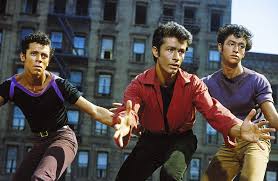
Friday Movies – West Side Story

“West Side Story” is a classic musical that has captivated audiences for decades with its timeless story, powerful performances, and iconic music. Here are six surprising facts about “West Side Story”:

  1. Inspiration from Shakespeare: “West Side Story” is a modern adaptation of William Shakespeare’s play “Romeo and Juliet.” The musical transplants the tragic love story to the streets of New York City, with the warring families replaced by rival gangs, the Jets and the Sharks.
  2. Original Language Barrier: The character of Anita, portrayed by Rita Moreno in the original Broadway production and the 1961 film adaptation, faced an interesting language barrier. Moreno, a Puerto Rican actress, did not speak English fluently at the time of her audition. Despite this, her performance was so compelling that she earned the role and went on to win the Academy Award for Best Supporting Actress.
  3. Record-Breaking Oscar Win: The 1961 film adaptation of “West Side Story” made Oscar history by winning 10 Academy Awards. This includes Best Picture, Best Director for Robert Wise and Jerome Robbins (the first time the award was shared), and the aforementioned Best Supporting Actress for Rita Moreno.
  4. Choreography Challenges: The film’s choreography, created by Jerome Robbins, was known for its complexity and innovation. However, filming the dance sequences presented challenges. To achieve the desired shots, some scenes had to be shot at a slower frame rate and then sped up in post-production to match the music.
  5. Russ Tamblyn’s Unique Audition: Russ Tamblyn, who played Riff in the film, secured his role through a rather unconventional audition. Instead of performing a traditional scene, Tamblyn performed a gymnastics routine, showcasing his agility and physicality. This unique approach impressed the filmmakers and contributed to his casting.
  6. Ongoing Cultural Impact: “West Side Story” has had a lasting impact on popular culture. The musical’s songs, such as “Maria,” “Tonight,” and “Somewhere,” are widely recognized, and the story has been adapted into various forms over the years. In 2021, Steven Spielberg directed a new film adaptation, introducing the classic tale to a new generation.

Ramappa Temple

The Ramappa Temple, officially known as the Ramalingeswara Temple, is named after its chief architect, Ramappa. Ramappa was a skilled and accomplished sculptor and engineer who played a pivotal role in the construction of the temple. The temple, dedicated to Lord Shiva, was built during the 12th century under the patronage of the Kakatiya dynasty, and it stands as a masterpiece of Kakatiya architecture.

Ramappa’s expertise and artistic vision are reflected in the intricate carvings, detailed sculptures, and unique architectural features of the temple. The temple is renowned not only for its religious significance but also for the exceptional craftsmanship and engineering ingenuity displayed in its construction. The name “Ramappa Temple” pays tribute to the talented artisan who contributed significantly to its creation.

Here is the Google Map link to Reach Ramappa Temple Its four hour drive from Hyderabad.

https://maps.app.goo.gl/C2hUexnkCJTNXLG47

I have a dream by Martin Luther King

“I Have a Dream” is a famous speech delivered by Martin Luther King Jr. on August 28, 1963, during the March on Washington for Jobs and Freedom. King delivered the speech from the steps of the Lincoln Memorial in Washington, D.C. The speech is widely regarded as one of the most powerful and inspirational orations in American history.

In his speech, Martin Luther King Jr. passionately spoke about his dream of a future where people would be judged by their character and not by the color of their skin. He envisioned a nation where racial equality and justice would prevail. The famous lines “I have a dream” are repeated throughout the speech, emphasizing King’s vision for a more inclusive and harmonious society.

The speech is not only a pivotal moment in the American Civil Rights Movement but has also become a symbol of the struggle for equality and justice around the world. Martin Luther King Jr.’s dream of a more just and equal society continues to inspire people to this day.

  1. “I Have a Dream” Refrain: One of the most iconic aspects of the speech is the recurring refrain “I have a dream,” which King used to emphasize his vision for a future where racial equality and justice would prevail. The repetition of this phrase became a powerful and memorable part of the speech.
  2. Equality and Justice: King passionately spoke about his dream of a nation where individuals would not be judged by the color of their skin but by their character. He called for an end to racial discrimination and injustice, envisioning a society where everyone would have equal rights and opportunities.
  3. The “Table of Brotherhood”: King expressed his hope for a future where people of all races and backgrounds could come together in harmony. He used the metaphor of the “table of brotherhood,” where individuals from different walks of life could sit down together and work towards a shared goal of equality and justice.
  4. Quoting the Declaration of Independence: King invoked the principles of the American Declaration of Independence, emphasizing the unalienable rights of life, liberty, and the pursuit of happiness. By drawing on the nation’s founding documents, he called for these principles to be applied to all citizens, regardless of their race.
  5. The Dream of Freedom Ringing: King spoke of his dream that one day the “sons of former slaves and the sons of former slave owners” would be able to join hands and sing the words of the old Negro spiritual, “Free at last, free at last, thank God Almighty, we are free at last!” This powerful imagery conveyed his vision of a future where freedom and equality would prevail.

These highlights capture the essence of Martin Luther King Jr.’s vision for a more just and inclusive society as outlined in his “I Have a Dream” speech.

Why Dogs should not eat Chocolate?

Photo by Blue Bird on Pexels.com

Ever wondered if you can share your chocolate with your dog?

Dogs should steer clear of chocolate because it contains substances known as theobromine and caffeine, both falling under the category of methylxanthines. While humans can easily metabolize these compounds, dogs process them much more slowly, rendering them more susceptible to their toxic effects.

Theobromine and caffeine can stimulate a dog’s central nervous system and cardiovascular system, leading to a range of symptoms including restlessness, an elevated heart rate, tremors, vomiting, diarrhea, and, in severe cases, seizures or death. The severity of the reaction depends on factors such as the dog’s size, the type of chocolate consumed, and the individual dog’s sensitivity to theobromine.

Dark chocolate contains higher levels of theobromine compared to milk chocolate, making it even more hazardous for dogs. While white chocolate contains minimal theobromine and is less toxic, it is still not advisable to give any chocolate to dogs.

If you suspect that your dog has ingested chocolate, it is crucial to seek veterinary attention immediately. Theobromine toxicity can escalate into a medical emergency, and swift treatment significantly improves the chances of a positive outcome.

Why do we Celebrate Children’s Day on Novermber 14th?

In India, Children’s Day is observed on November 14th every year to celebrate the birth anniversary of Pandit Jawaharlal Nehru, who was the first Prime Minister of India. Jawaharlal Nehru, fondly referred to as “Chacha Nehru” (Uncle Nehru) by children, was known for his love and affection for young people. His birthday was chosen as Children’s Day to honor his commitment to the welfare, education, and well-being of children in India.

Jawaharlal Nehru believed that children were the future of the nation and should be given the best care and opportunities for growth and development. He played a pivotal role in the establishment of various educational institutions and policies aimed at improving the quality of education in India. His vision for a better future for children made him a beloved figure among them.

Children’s Day is observed as a day of celebration and reflection on the importance of nurturing and educating the younger generation. Schools and educational institutions often organize special events, cultural programs, and activities for children to mark the occasion. It’s a day to emphasize the rights and well-being of children and to promote their all-round development.

Jawaharlal Nehru, the first Prime Minister of India, made significant contributions to children’s welfare and education in India. His dedication to improving the lives of children and his vision for their future led to several initiatives and policies that continue to impact the country’s educational system and child welfare. Here are some of his notable contributions:

  1. Promotion of Education: Nehru recognized the importance of education in nation-building and placed a strong emphasis on universal education. He advocated for free and compulsory primary education for all children.
  2. Establishment of Educational Institutions: Under Nehru’s leadership, many prestigious educational institutions were established in India, including the Indian Institutes of Technology (IITs) and the Indian Institutes of Management (IIMs). These institutions have played a pivotal role in shaping the educational landscape of the country.
  3. Incorporation of Scientific Education: Nehru believed in the importance of scientific education and its role in fostering a scientific temperament among children. He encouraged the development of scientific research and educational institutions.
  4. Children’s Literature: Nehru wrote extensively for children and authored several books, including “The Discovery of India” and “Letters from a Father to His Daughter.” His writings aimed to make complex ideas accessible to young readers and inspire them to explore their country’s history and culture.
  5. Nehru Bal Pustakalaya: He established the Nehru Bal Pustakalaya (Nehru Children’s Library) to provide children with access to a wide range of books and reading materials. This initiative aimed to foster a love for reading and learning among children.
  6. Nurturing Creativity: Nehru recognized the importance of nurturing creativity and artistic talent in children. He supported initiatives to promote arts and culture among young people.
  7. Child-Focused Policies: Nehru’s government introduced various policies and programs to address child welfare issues, such as child labor and child health. These policies aimed to protect the rights and well-being of children.
  8. Advocacy for Child Rights: Nehru played a pivotal role in India’s ratification of the Universal Declaration of Human Rights, which includes the rights of children. He advocated for children’s rights both nationally and internationally.
  9. Legacy of Leadership: Nehru’s leadership and commitment to children’s welfare set a precedent for future leaders and policymakers in India, emphasizing the importance of investing in the country’s youth.

Jawaharlal Nehru’s contributions to children’s welfare and education in India continue to shape the nation’s educational policies and institutions, and his legacy lives on through the celebration of Children’s Day and the ongoing efforts to provide quality education and opportunities for children in the country.

Career Options – Discovering top Institutes in India