Hello, my name is Bindumadhavi and I am passionate about blogging. In today's fast-paced world, it can be difficult to connect with others who share our interests and values. That's why I believe blogging is such a blessing - it allows us to express ourselves freely and connect with like-minded individuals from all over the world. Whether we're sharing our thoughts, experiences, or creative endeavors, blogging gives us a platform to connect, learn, and grow. I feel grateful to be a part of this community and I look forward to continuing to share my voice through my blog.
In the U.S., being overly direct or blunt, especially when expressing negative opinions, can be considered rude or offensive. In India, people are often more indirect in communication, and being too blunt may not be as common, but being direct is generally not seen as offensive in the same way it might be in the U.S.
2. Pointing at People
Pointing directly at someone (whether with your finger or hand) can be considered impolite or offensive in the U.S. However, in India, it’s often seen as a casual gesture, especially when people are referring to something or someone in a crowd. It’s not always considered impolite in India.
3. Staring
In the U.S., staring at people can be seen as intrusive and rude. In India, however, especially in rural areas or among foreigners, people may glance or stare without it being seen as offensive. It’s a common, albeit culturally different, behavior.
4. Personal Questions
Asking personal questions about someone’s age, marital status, or income might be considered inappropriate or intrusive in the U.S. However, in India, such questions are often seen as part of regular conversation and are typically not seen as invasive or rude.
5. Respect for Elders
In India, it’s normal for younger people to touch the feet of elders as a sign of respect. This practice may seem odd or overly formal in the U.S. but is a deeply ingrained tradition in India, and it might not be understood or appreciated in the same way in the U.S.
6. Public Spitting
Spitting in public is generally viewed as offensive and unsanitary in the U.S. In India, especially in certain regions, public spitting (such as from chewing paan or betel) is still common, though it’s increasingly frowned upon in urban areas.
7. Chewing Gum Loudly
In the U.S., chewing gum loudly or popping it in public is often seen as impolite or childish. In India, it’s not uncommon to see people chewing gum in public, though it may be seen as a more casual or youthful behavior.
8. Informality in Addressing Elders or Strangers
In the U.S., it’s common to address even older individuals or authority figures by their first names, whether in casual or professional settings. This level of informality is widely accepted and not seen as disrespectful. In India, however, calling strangers, neighbors, or even older individuals by titles like “Aunty” or “Uncle” is a sign of respect, and using such terms for people you don’t know well in the U.S. might be considered overly familiar or inappropriate.
9. Touching Someone’s Head
In India, it is considered a sign of affection or respect to gently touch a child’s head. In the U.S., this gesture is often seen as intrusive or inappropriate, especially when it’s done by someone who isn’t close to the person.
10. Eating With Hands
In the U.S., eating with hands (except for certain foods like sandwiches or pizza) is generally considered unhygienic and impolite. In India, eating with hands, especially in traditional meals, is perfectly normal, and it’s often seen as a more intimate and respectful way to eat, especially with certain cultural and religious practices.
Act Before It’s Too Late: Supporting Our Loved Ones in Times of Need
In many families, it’s common to hear words of reassurance when someone is going through a rough patch in their marriage. “It’s okay, it happens in all marriages,” they say. And while it’s true that no marriage is without its challenges, there comes a point when the signs of distress should no longer be brushed aside—it becomes a red flag that demands attention.
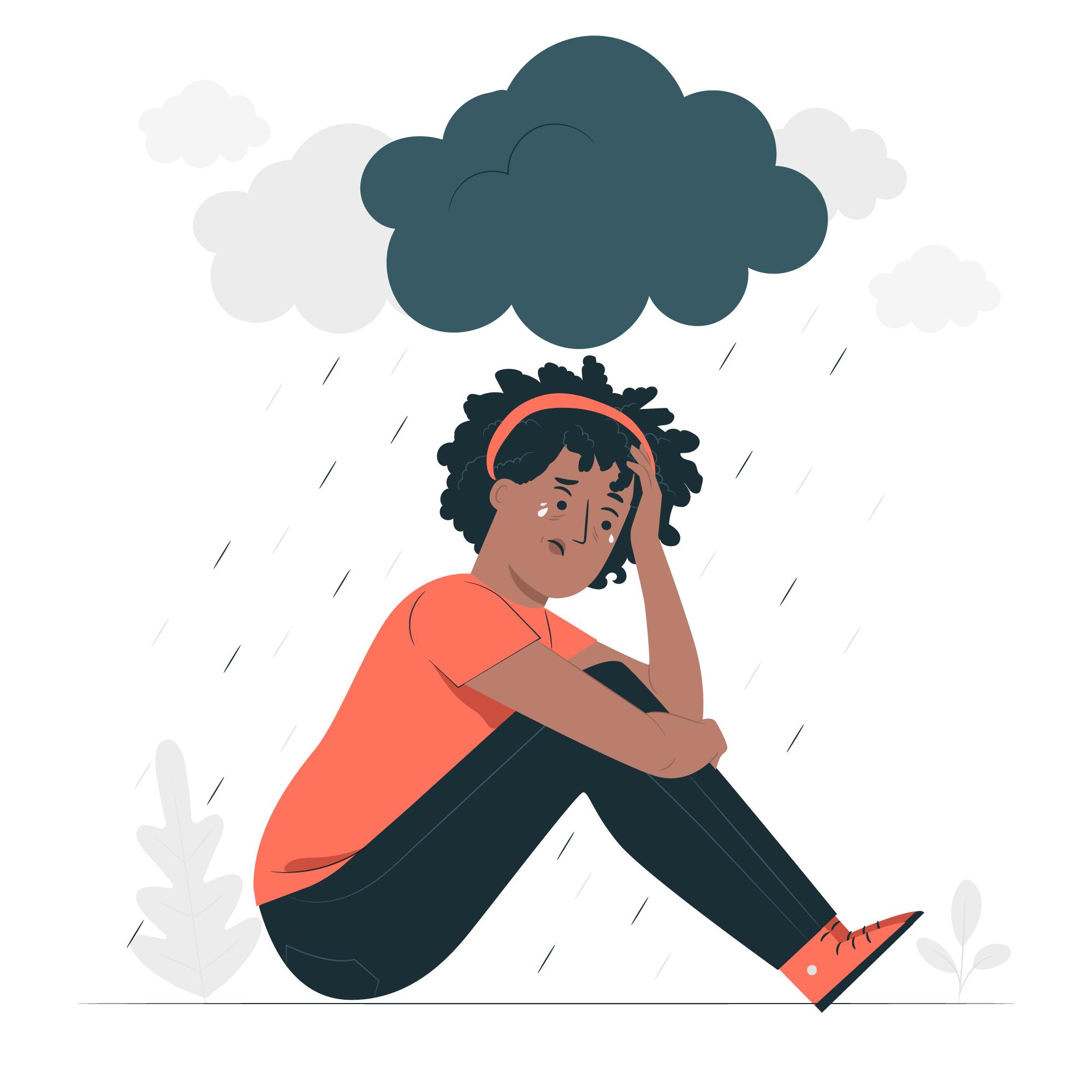
Imagine a daughter who, over the course of more than ten years, grows increasingly distant. She stops talking with family and friends, her laughter fades, and her once vibrant personality seems to dim. Those around her might notice, but often, they choose to ignore the signs, convincing themselves that things will get better on their own. They might tell themselves, “She’s just going through a phase,” or “It’s not our place to interfere.”
But what if, one day, that daughter takes an extreme step? What if she feels so lost, so unheard, and so unsupported that she decides to end her life? Suddenly, the same people who dismissed her pain are left in shock, asking themselves, “How did we not see this coming? We never thought she would do this.”
The truth is, many people do see the signs, but they choose not to act on them. Perhaps they believe it’s not their business, or they fear making things worse by intervening. But in situations like this, doing nothing is the worst thing you can do. When someone is struggling, especially over an extended period, they need more than just comforting words—they need real support, understanding, and sometimes, direct intervention.
The tragic story of Jiah Khan, a promising young actress in India, serves as a painful reminder of the consequences of prolonged unhappiness and lack of support. Jiah struggled with her mental health for years, feeling isolated and unsupported in her personal life. Despite being surrounded by people who cared for her, her cries for help went unheard or were dismissed. Sadly, Jiah took her own life in 2013, leaving behind a devastated family and countless friends who were left wondering what more they could have done.
As the renowned psychologist Carl Rogers once said, “The curious paradox is that when I accept myself just as I am, then I can change.” This acceptance doesn’t only apply to individuals struggling with their own emotions; it’s also a call for us to accept the reality of our loved ones’ distress and to act compassionately to help them through it. Ignoring someone’s prolonged unhappiness isn’t just a failure to act—it’s a failure to accept that something is deeply wrong.
We need to stop assuming that things will get better on their own. We need to stop waiting until it’s too late to show we care. When a loved one is in distress, especially if that distress has gone on for years, it’s crucial to step in, to ask questions, and to offer help. This doesn’t mean meddling or making judgments; it means being there, listening, and providing the support they need.
Mental health is a delicate issue, and prolonged unhappiness can lead to severe consequences if left unaddressed. It’s vital to create an environment where your loved ones feel safe expressing their feelings without fear of being dismissed or judged. This might mean encouraging them to seek professional help, or simply being there to listen when they need to talk.
We must remember that ignoring someone’s prolonged unhappiness is not a form of kindness; it’s a form of neglect. When someone we care about is suffering, we need to act, not just sympathize. It’s far better to be over-cautious and offer help than to stand by and do nothing until it’s too late.
In the end, the tears and the regret of those left behind won’t bring back the person they’ve lost. But what can make a difference is recognizing the signs early, offering support, and showing that you care when it truly matters. Let’s strive to be the kind of friends and family members who don’t just say, “It’s okay, it happens in all marriages,” but instead say, “I’m here for you, let’s talk about what’s really going on.”
By acting when it matters, we can help prevent tragedies and show our loved ones that they are never truly alone. Don’t wait until they’re gone to show how much you care—act now, while you still can.
“Wanderlust” is a strong desire or impulse to travel and explore the world. It comes from the German words wandern (to hike or wander) and lust (desire or longing). People who experience wanderlust often feel a deep craving to discover new places, cultures, and experiences, and they may frequently seek out opportunities to travel or immerse themselves in different environments. The term has become popular in travel culture to describe a passion for exploration and adventure.
a one-week vegetarian menu plan that incorporates the foods and nutrients mentioned to help manage your joint pain. Each day also includes a suggestion for sunlight exposure to ensure adequate Vitamin D intake.
Day 1:
Breakfast: Oatmeal with chia seeds, walnuts, and fresh strawberries.
Lunch: Quinoa salad with mixed greens, chickpeas, bell peppers, and a lemon-tahini dressing.
Snack: A handful of pumpkin seeds.
Dinner: Stir-fried tofu with broccoli, kale, and garlic, served over brown rice.
Sunlight: 20 minutes of morning sunlight exposure.
Day 2:
Breakfast: Smoothie with spinach, banana, flaxseeds, and fortified almond milk.
Lunch: Lentil and vegetable soup with a side of whole-grain bread.
Snack: Apple slices with almond butter.
Dinner: Stuffed bell peppers with quinoa, black beans, and turmeric-spiced vegetables.
Sunlight: 15-20 minutes of midday sunlight exposure.
Day 3:
Breakfast: Whole-grain toast with avocado, a sprinkle of chia seeds, and fresh orange slices.
Lunch: Chickpea and spinach curry with a side of brown rice.
Snack: Carrot sticks with hummus.
Dinner: Grilled vegetable and tofu kebabs with a side of roasted Brussels sprouts.
Sunlight: 20 minutes of morning sunlight exposure.
Day 4:
Breakfast: Greek yogurt (plant-based) with mixed berries, flaxseeds, and a drizzle of honey.
Lunch: Spinach and mushroom frittata made with chickpea flour, served with a side salad.
Snack: A handful of walnuts.
Dinner: Kale and white bean stew with whole-grain bread.
Sunlight: 15-20 minutes of midday sunlight exposure.
Day 5:
Breakfast: Smoothie bowl with fortified almond milk, banana, mixed berries, and pumpkin seeds.
Lunch: Roasted vegetable and quinoa bowl with a turmeric-tahini dressing.
Snack: Sliced bell peppers with guacamole.
Dinner: Tofu stir-fry with bok choy, garlic, and ginger, served with brown rice.
Sunlight: 20 minutes of morning sunlight exposure.
Day 6:
Breakfast: Whole-grain pancakes topped with flaxseeds, walnuts, and fresh berries.
Lunch: Grilled vegetable and tofu wrap with a side of mixed greens.
Snack: Fresh orange or a small citrus fruit.
Dinner: Spinach and lentil dahl with turmeric, served with a side of steamed broccoli.
Sunlight: 15-20 minutes of midday sunlight exposure.
Day 7:
Breakfast: Avocado toast on whole-grain bread, sprinkled with chia seeds, and a glass of fortified orange juice.
Lunch: Kale and chickpea salad with a lemon-olive oil dressing.
Snack: A handful of mixed nuts (walnuts, almonds, pumpkin seeds).
Dinner: Stuffed portobello mushrooms with quinoa, garlic, and spinach, served with roasted sweet potatoes.
Sunlight: 20 minutes of morning sunlight exposure.
Additional Tips:
Hydration: Drink plenty of water throughout the day to stay hydrated.
Exercise: Incorporate light physical activities such as walking, yoga, or swimming daily.
This menu plan is rich in anti-inflammatory foods, omega-3 fatty acids, calcium, magnesium, and other nutrients to support joint health and reduce pain. Sunlight exposure is balanced to help with Vitamin D synthesis, which is crucial for bone health.
Nancy Meyers is a celebrated American filmmaker, known for her distinctive voice in the romantic comedy genre. With a career spanning over four decades, Meyers has crafted a niche for herself by creating films that blend humor, romance, and introspective narratives, often set against the backdrop of beautifully designed interiors. Her movies are as much about the characters’ emotional journeys as they are about the spaces they inhabit, making her one of the most influential directors in the genre.
Early Career and Breakthrough
Nancy Meyers began her Hollywood career as a screenwriter, co-writing the 1980 classic Private Benjamin with Charles Shyer and Harvey Miller. The film, starring Goldie Hawn, was a commercial success and earned Meyers an Academy Award nomination for Best Original Screenplay. This success set the stage for her subsequent work in the industry.
Meyers continued to write and produce films throughout the 1980s, often collaborating with Shyer. Some of their notable projects include Irreconcilable Differences (1984), Baby Boom (1987), and the remake of Father of the Bride (1991), which starred Steve Martin and Diane Keaton. Father of the Bride was particularly successful, leading to a sequel in 1995, Father of the Bride Part II, solidifying Meyers’ reputation as a master of heartwarming family comedies.
Directorial Debut: The Parent Trap (1998)
In 1998, Nancy Meyers made her directorial debut with The Parent Trap, a remake of the 1961 film of the same name. Starring a young Lindsay Lohan in dual roles, the film tells the story of twin sisters who are separated at birth and reunite at a summer camp to scheme to reunite their estranged parents. The Parent Trap was a hit with both audiences and critics, showcasing Meyers’ ability to handle a large ensemble cast and tell a story with both humor and heart.
Major Films and Signature Style
Nancy Meyers’ films are characterized by their witty dialogue, strong female characters, and detailed attention to the environments in which her stories unfold. Her movies often explore themes of love, relationships, and personal growth, with a focus on middle-aged and older protagonists, a demographic often underrepresented in Hollywood.
What Women Want (2000) This film, starring Mel Gibson and Helen Hunt, is one of Meyers’ most commercially successful works. The story revolves around a chauvinistic advertising executive who, after a freak accident, gains the ability to hear women’s thoughts. The film’s blend of humor and insight into gender dynamics made it a box-office hit.
Something’s Gotta Give (2003) Starring Diane Keaton, Jack Nicholson, and Keanu Reeves, this romantic comedy is one of Meyers’ most beloved films. The story follows a playwright who finds herself caught in a love triangle between an older, charming bachelor and a younger doctor. Keaton’s performance earned her an Academy Award nomination, and the film became iconic for its mature take on love and relationships.
The Holiday (2006) In The Holiday, Meyers crafts a story of two women (played by Cameron Diaz and Kate Winslet) who swap homes for the holidays to escape their romantic woes, only to find love in unexpected places. The film, which also stars Jude Law and Jack Black, is celebrated for its heartwarming narrative and picturesque settings.
It’s Complicated (2009) This romantic comedy-drama stars Meryl Streep, Alec Baldwin, and Steve Martin, and tells the story of a divorced couple who reignite their relationship while navigating the complexities of their new lives. The film was praised for its mature humor and the performances of its lead actors.
The Intern (2015) The Intern is one of Meyers’ most recent works and stars Robert De Niro and Anne Hathaway. The film explores the unlikely friendship between a young, successful businesswoman and a retired widower who becomes her intern. The movie is lauded for its feel-good narrative and insightful commentary on aging and the evolving workplace dynamics.
Legacy and Influence
Nancy Meyers is often referred to as the “queen of romantic comedies,” a title well-deserved given her contributions to the genre. Her films are known for their strong character development, sharp dialogue, and the portrayal of love and relationships in a relatable yet aspirational manner. Meyers’ attention to detail extends beyond her scripts to the visual elements of her films, with her meticulously designed sets often becoming as iconic as the stories themselves.
Her influence on the genre is undeniable, inspiring a new generation of filmmakers to explore the complexities of love and relationships with humor and heart. While romantic comedies have often been dismissed as lightweight entertainment, Meyers’ work proves that they can be both commercially successful and critically acclaimed, offering depth and insight into the human experience.
Nancy Meyers has carved out a unique space in Hollywood, delivering films that resonate with audiences of all ages. Whether through the charm of The Parent Trap, the mature romance of Something’s Gotta Give, or the introspective warmth of The Intern, Meyers’ work continues to captivate and inspire. Her legacy as a filmmaker is one of wit, elegance, and an enduring belief in the power of love and laughter.
Shefali Shah is one of India’s most respected actresses, known for her powerful performances and ability to bring depth to every character she portrays. Her journey in the entertainment industry is a testament to her perseverance, passion, and the strength to overcome significant personal and professional challenges.
Early Life and Beginnings
Born in Mumbai in 1972, Shefali Shah developed a passion for acting at a young age. She began her career in the late 1980s and early 1990s, a time when the Indian entertainment industry was largely dominated by conventional roles for women. Despite these limitations, Shefali was determined to carve out her own path.
Struggles in Personal Life
Early Marriage and Divorce
Shefali married television actor Harsh Chhaya at a young age. However, the marriage ended in divorce, a challenging period in her life as she had to cope with the emotional toll of separation while facing societal judgment. Divorce in India often carries a stigma, particularly for women, and Shefali had to navigate the pressures of maintaining her career amidst this personal turmoil.
Remarriage and Motherhood
In 2000, Shefali married director Vipul Amrutlal Shah, and the couple has two sons, Aryaman and Maurya. Shefali decided to take a step back from her career to focus on raising her children, a choice that, while fulfilling on a personal level, slowed down her professional momentum. Balancing the responsibilities of being a mother and wife with her career was a significant challenge.
Health Challenges
Shefali has also been candid about her struggles with anxiety, which were exacerbated by the pressures of her demanding career and personal responsibilities. Her openness about mental health has been inspirational, emphasizing the importance of mental well-being, even for those in the public eye.
Breaking Through and Professional Success
Early Career and Breakthrough Roles
Shefali’s breakthrough came with the 1995 TV series Hasratein, where she played the complex character of Savi. This role set her apart from her contemporaries and showcased her ability to portray deep and layered emotions. However, it was her role in the critically acclaimed film Satya (1998) that truly established her as a formidable talent. Playing the role of Pyaari Mhatre, the wife of a gangster, Shefali delivered a raw and authentic performance that earned her widespread recognition.
Challenges with Industry Norms
Despite her success, Shefali faced the challenges of ageism and typecasting in the Indian film industry. Early in her career, she was often offered roles of mothers and older women, even though she had the talent to take on a wider variety of characters. This typecasting was frustrating but did not deter her from pursuing meaningful and challenging roles.
A Career of Substance
Shefali continued to choose roles that defied stereotypes and showcased her range as an actress. Her performances in films like Monsoon Wedding (2001) and Waqt: The Race Against Time (2005) further solidified her reputation. She brought a unique depth and authenticity to her characters, often portraying women dealing with complex emotional and societal issues.
Recent Success and Global Recognition
In recent years, Shefali Shah has enjoyed a resurgence in her career. Her role as DCP Vartika Chaturvedi in the Netflix series Delhi Crime (2019) was a game-changer. The series, based on the true story of the 2012 Delhi gang rape case, received international acclaim and won the International Emmy Award for Best Drama Series in 2020. Shefali’s portrayal of a determined and compassionate police officer earned her widespread praise.
Her performances in films like Dil Dhadakne Do (2015) and Jalsa (2022) have further highlighted her ability to bring nuanced, complex characters to life, making her one of the most respected actresses in Indian cinema.
Legacy and Impact
Shefali Shah’s journey is one of both personal and professional triumph. Her ability to overcome the challenges in her personal life, including societal judgment, the pressures of motherhood, and struggles with mental health, while also navigating the obstacles of ageism and typecasting in her career, is truly inspiring. Shefali’s story serves as a beacon of hope for anyone facing adversity, proving that with resilience and dedication, it is possible to create a lasting impact.
A long time ago, India was not free like it is today. It was ruled by the British, who came from a faraway country called England. The British controlled many things in India, and the Indian people wanted to be free to make their own decisions.
The Beginning of the Struggle
The journey to independence started when the people of India began to feel that they should be the ones to rule their own country. They wanted freedom, just like how you want to make your own choices sometimes. Many brave men and women started to speak up against the British rule. They wanted to show that India should be an independent country.
The Role of Mahatma Gandhi
One of the most important leaders of the independence movement was Mahatma Gandhi. He believed in something very special called “non-violence.” This means that he wanted to fight for freedom without hurting anyone. Instead of using weapons, Gandhi used peaceful ways to protest. He and his followers would march, refuse to buy British goods, and go on hunger strikes to show how serious they were about gaining independence.
One famous event led by Gandhi was the Salt March in 1930. The British had made a law that said only they could make salt, and they made people pay a lot of money for it. Gandhi and many others walked over 240 miles to the sea to make their own salt, breaking this unfair law. This peaceful protest showed the world how unfair the British laws were.
Other Brave Leaders
There were many other leaders who helped India gain its independence. Leaders like Jawaharlal Nehru, Sardar Patel, and Subhas Chandra Bose all played important roles. Some leaders believed in peaceful protests like Gandhi, while others thought that they needed to fight back more strongly. But they all had one goal: to make India free.
The Struggle Ends
After many years of protests, marches, and difficult times, the British finally realized that the Indian people would not give up. They decided to leave India. On August 15, 1947, India became an independent country! The Indian people were very happy because now they could make their own decisions and govern themselves.
What Independence Means
Independence means that India could now have its own government, make its own laws, and choose its own leaders. The first Prime Minister of independent India was Jawaharlal Nehru, who had worked closely with Gandhi.
Why We Celebrate Independence Day
Every year on August 15th, India celebrates Independence Day. It’s a day to remember all the brave people who helped India become free. People fly kites, attend parades, and wave the Indian flag to show their love for their country.
Summary
India’s journey to independence was a long and difficult one, filled with many challenges. But with brave leaders like Mahatma Gandhi and the support of millions of people, India finally became free on August 15, 1947. Today, Independence Day is a time to celebrate freedom and remember the people who made it possible.
Fun Fact
Did you know that India shares its Independence Day with South Korea? Both countries celebrate their freedom on August 15th!
Being a parent is a huge responsibility, but it’s possible to be both a guiding authority and a supportive friend. The key lies in balancing discipline with connection. Here’s how a mother can achieve this, and how it differs from a traditional parenting approach.
The Parenting Approach
Traditional parenting often focuses on authority. This means setting rules, enforcing discipline, and guiding behavior. For example, a mother insists on a strict bedtime to make sure her child gets enough rest. She might also say, “You need to finish your homework before you can watch TV.”
While these actions are essential for a child’s development, they can sometimes create distance. The child might view the mother primarily as an enforcer of rules rather than someone who understands their feelings and needs.
The Friend Approach
Being a friend as a mother involves more than just enjoying fun activities together. It’s about creating an open, trusting relationship where the child feels valued and understood. Here’s how this can be done effectively:
Active Listening: Instead of just directing, engage in conversations where you actively listen to your child’s thoughts and feelings. For instance, if your child is worried about a school project, listen to their concerns before offering advice or solutions. This shows empathy and respect for their feelings.
Shared Interests: Find common interests and spend time enjoying them together. If both of you love baking, set aside time to cook together. This builds a bond and makes the child feel special and understood.
Open Communication: Encourage your child to share their thoughts and feelings without fear of judgment. If your child comes to you with a problem, avoid immediately jumping to solutions or reprimands. Instead, offer support and let them express themselves fully.
Examples
Imagine a child comes home upset because they didn’t make the soccer team. A traditional approach might involve comforting them but also stressing the importance of hard work and perseverance. A friend-like approach would involve more than just comfort; it would include empathizing with their disappointment, discussing their feelings openly, and perhaps even exploring new interests together.
Or consider a situation where a mother and her child disagree about curfew times. Rather than just imposing a rule, a friend-like approach might involve having a calm discussion where the mother explains her concerns and listens to her child’s perspective. This collaborative approach can lead to mutual understanding and respect.
Conclusion
Being a mother who balances authority with friendship doesn’t mean abandoning rules or responsibilities. Instead, it’s about fostering a supportive relationship where the child feels heard and valued. This balance can lead to a stronger, more trusting relationship, making both parenting and friendship rewarding.
Imagine a singer who can make you dance with joy and sing along with all your heart. That singer is Tina Turner, often called the “Queen of Rock ‘n’ Roll.” Let’s learn about her amazing life and career!
Early Life
Tina Turner was born as Anna Mae Bullock on November 26, 1939, in a small town called Nutbush, Tennessee. She had a tough childhood and faced many challenges. But even as a little girl, Tina loved to sing. She would often sing in her church choir, where everyone noticed her powerful voice.
Rise to Fame
When Tina was a teenager, she moved to St. Louis, Missouri. There, she met a musician named Ike Turner, who had a band called the Kings of Rhythm. Ike saw Tina’s talent and asked her to join his band. Soon, Tina became the star of the show with her energetic performances and amazing voice.
In the 1960s, Ike and Tina formed the Ike & Tina Turner Revue. They became famous for hits like “River Deep – Mountain High” and “Proud Mary.” Tina’s stage presence was electric, and audiences loved her dancing and singing.
Challenges and Comeback
Tina’s life wasn’t always easy. She had a difficult marriage with Ike Turner, but she found the strength to leave and start a new chapter in her life. This was a brave and important decision for Tina.
In the 1980s, Tina made a huge comeback as a solo artist. She released the album “Private Dancer,” which included the hit song “What’s Love Got to Do with It.” This song became very popular, and Tina won several awards for it, including Grammy Awards.
A Global Superstar
Tina Turner continued to release great music and perform in concerts all over the world. Her songs like “Simply the Best,” “We Don’t Need Another Hero,” and “Private Dancer” are loved by people everywhere. Tina’s concerts were known for her high energy and incredible performances, often wearing her signature mini dresses and high heels.
An Inspiration
Tina Turner’s story is inspiring because she showed that you can overcome difficult times and achieve your dreams with hard work and determination. She became one of the best-selling artists of all time, selling over 100 million records worldwide.
Retirement and Legacy
Tina retired from performing in 2009, but her music and legacy continue to inspire new generations. In 2018, a musical about her life called “Tina: The Tina Turner Musical” opened and became a big hit. It tells the story of her life and her incredible journey through music.
Fun Facts
Tina’s Nickname: She is often called the “Queen of Rock ‘n’ Roll” because of her amazing contributions to music.
Her Legs: Tina is famous for her powerful legs and amazing dance moves. She was known for her energetic stage performances.
Tina’s Role in Movies: She also acted in movies like “Mad Max Beyond Thunderdome.”
Conclusion
Tina Turner’s life is a wonderful example of how talent, hard work, and determination can lead to incredible success. She has left an indelible mark on the world of music and continues to be a role model for many. Tina Turner is truly the “Queen of Rock ‘n’ Roll,” and her music will keep rocking our hearts for many years to come!


 Lets Talk - bindumadhavi.online