What you should see in Chitradurga?
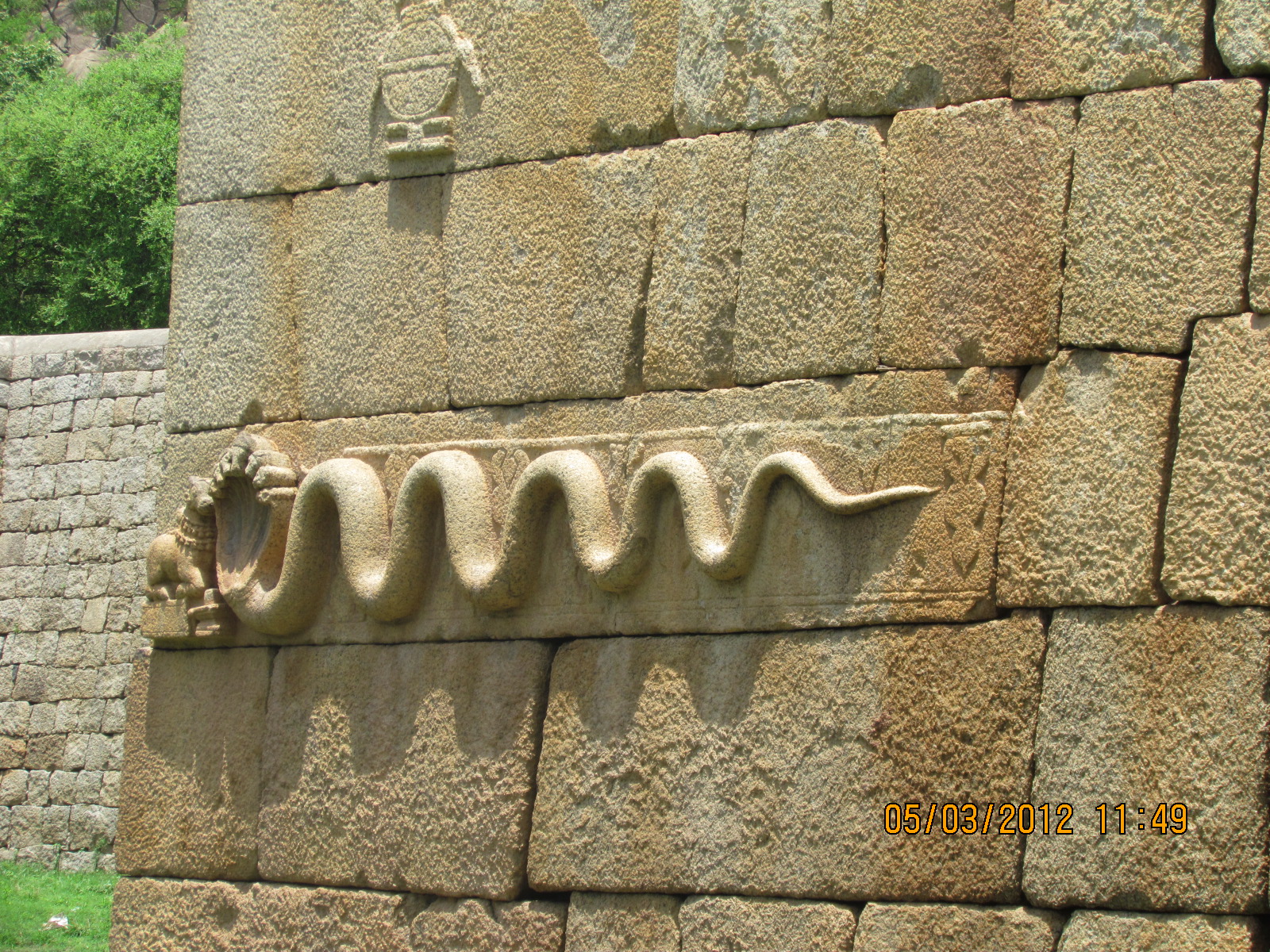

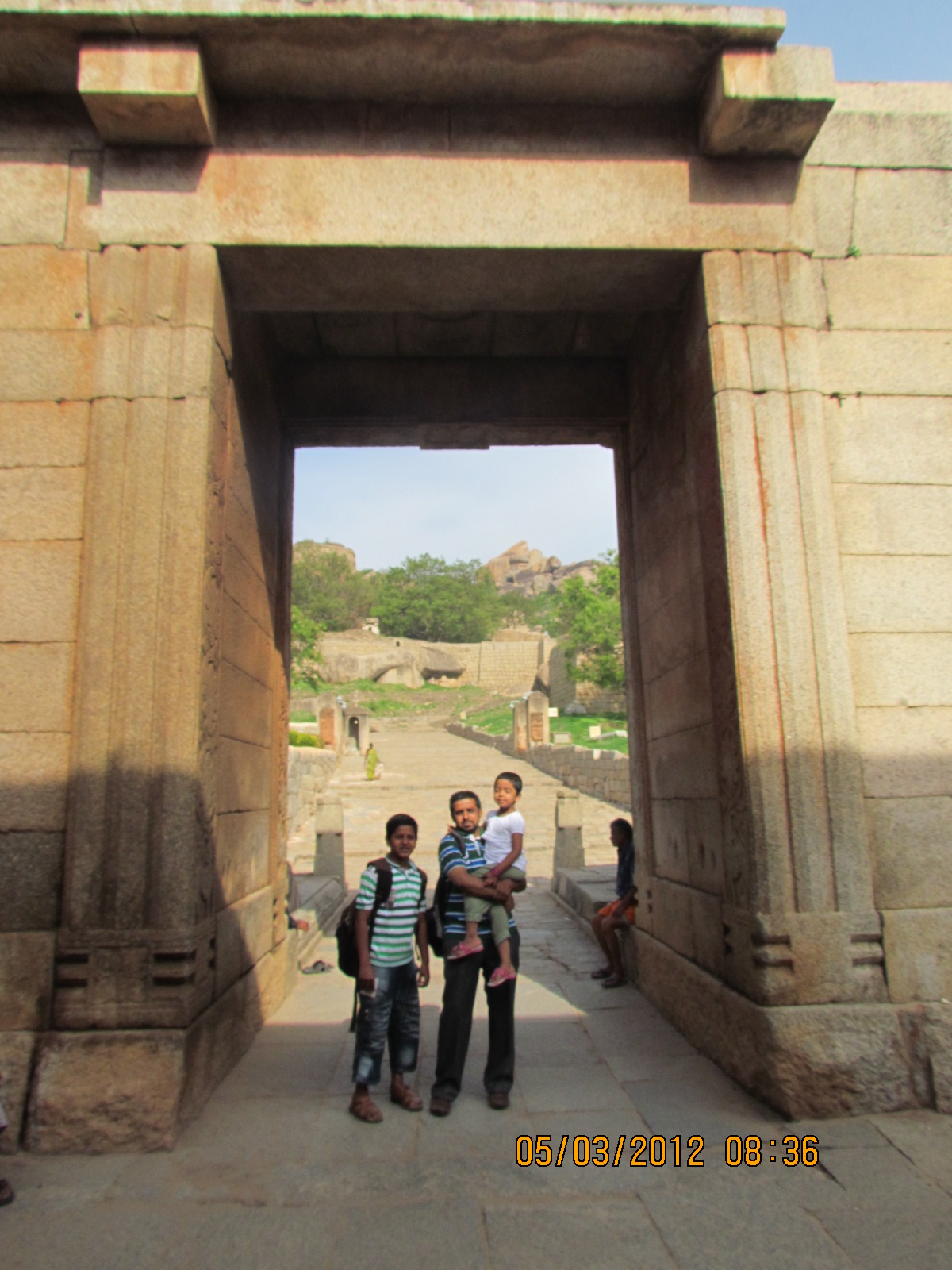
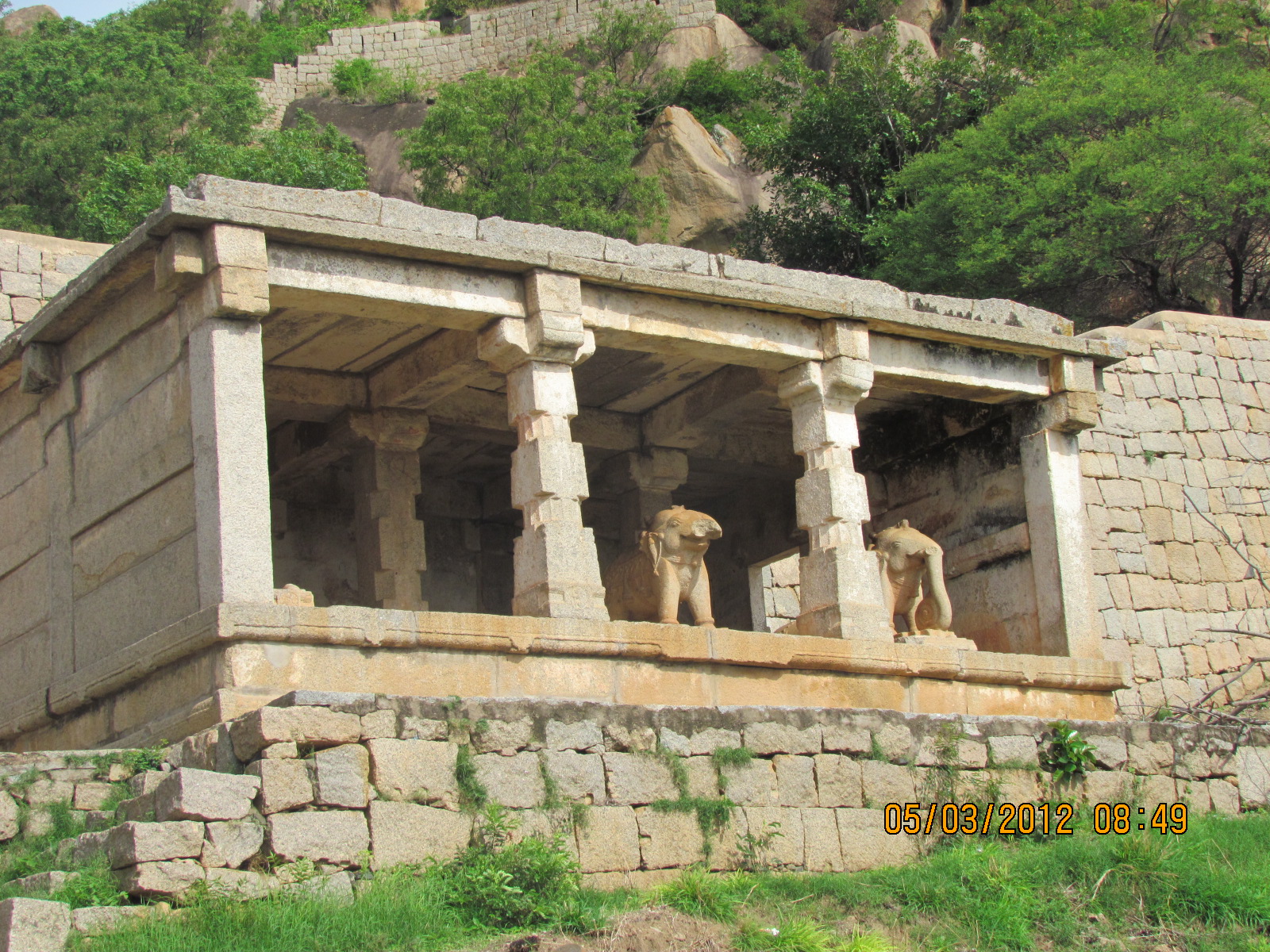
- Chitradurga Fort: This historic fort, built in the 17th century, is the most popular attraction in Chitradurga. The fort is known for its impressive architecture and engineering, and it is also associated with the legend of Onake Obavva.
- Chandravalli Cave Temple: This ancient cave temple, located about 3 km from Chitradurga, dates back to the 2nd century BC. The temple is known for its unique architecture and carvings.
- Vani Vilas Sagar Dam: This is a beautiful dam built on the Vedavathi River, about 30 km from Chitradurga. The dam is surrounded by scenic hills and offers boating and other water activities.
- Jogimatti Forest: This is a scenic forest area located about 20 km from Chitradurga. The forest is known for its wildlife, including leopards, bears, and various species of birds.
- Ankali Mutt: This is a popular pilgrimage site located about 25 km from Chitradurga. The mutt is known for its unique architecture and spiritual significance.
Chitradurga has been ruled by various dynasties and rulers throughout history. Some of the most notable rulers who have ruled Chitradurga include:
- Palegars of Chitradurga: The Palegars were the native rulers of Chitradurga who ruled the region from the 15th century until the 18th century. They were known for their bravery and military prowess and played a significant role in defending the region from the attacks of neighboring kingdoms.
- Hyder Ali and Tipu Sultan: The Mysore rulers, Hyder Ali and his son Tipu Sultan, conquered Chitradurga in the late 18th century. They were known for their military campaigns and strategic alliances with other kingdoms.
- Marathas: The Marathas also had a brief period of rule in Chitradurga during the 18th century. They established their presence in the region by forming alliances with the Palegars.
- British East India Company: The British East India Company took control of Chitradurga after defeating Tipu Sultan in the Fourth Anglo-Mysore War in 1799. The region became a part of British India and was administered by the Madras Presidency until India gained independence in 1947.
 Lets Talk - bindumadhavi.online